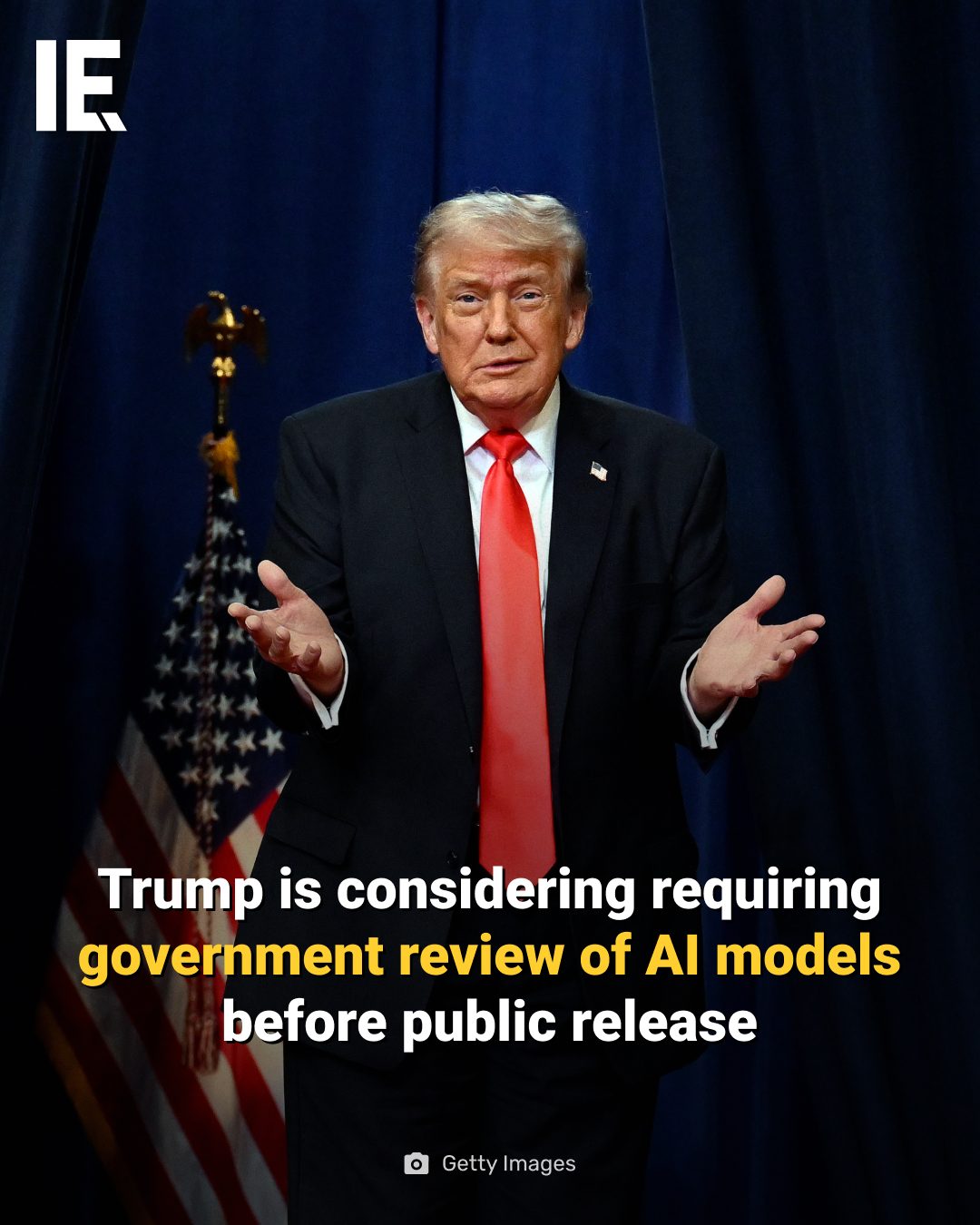
AI Regulation: The Trump Administration's Proposed Federal Review Process for AI Models
In a significant move, the Trump administration is contemplating an executive order that would mandate a federal review process for AI models before their public release. This proposal, which has been briefed to executives from leading AI companies like Anthropic, Google, and OpenAI, represents a pivotal shift in the administration's approach to AI regulation. The proposed framework draws inspiration from the UK's model, which involves multiple government agencies in AI safety oversight. This development comes amid ongoing tensions between the White House and certain AI firms.
Context / Why This Matters
The Trump administration's consideration of a federal review process for AI models is not an isolated decision. It signifies a broader shift in the government's stance on AI regulation, particularly after dismantling several Biden-era safety requirements upon taking office. These previous rules included mandates for developers to identify models with potential military applications. The current proposal underscores the administration's evolving perspective on the necessity of AI governance and the potential risks associated with unchecked AI development.
Main Discussion
The Proposed Framework
The executive order under consideration would establish a federal review process for AI models, ensuring that they undergo government scrutiny before being made available to the public. This move is inspired by the UK's approach, which involves distributing AI safety oversight across multiple government agencies. By adopting a multi-agency oversight model, the administration aims to enhance the thoroughness and effectiveness of AI regulation.
key Players Involved
Executives from major AI companies, including Anthropic, Google, and OpenAI, have been briefed on this proposal. This engagement with industry leaders indicates the administration's recognition of the need for collaboration between the government and private sector in developing effective AI regulations. The involvement of these companies also highlights the potential impact of the proposed framework on the AI industry as a whole.
Tensions and Recent Developments
The proposed framework comes at a time of heightened tension between the White House and certain AI firms. Notably, Anthropic, one of the companies briefed on the proposal, has recently sued the administration after being designated a supply-chain threat. This designation has led to ongoing friction, although a recent meeting between Anthropic CEO Dario Amodei and senior White House officials appears to have eased some of that tension.
Comparative Analysis
The proposed framework is modeled on the UK's approach, which involves distributing AI safety oversight across multiple government agencies. This multi-agency model is designed to ensure comprehensive and effective regulation. By adopting a similar approach, the Trump administration aims to enhance the thoroughness and effectiveness of AI governance in the United States.
Practical Tips
While the proposed federal review process for AI models is still under consideration, several practical steps can be taken to prepare for potential regulatory changes:
Stay Informed
Keep abreast of developments in AI regulation by following updates from relevant government agencies and industry news sources. Staying informed will help you anticipate and adapt to potential changes in the regulatory landscape.
Engage with Stakeholders
Engage with industry stakeholders, including other AI developers, researchers, and policymakers. Collaboration and dialogue can help shape effective regulations and ensure that the interests of all parties are considered.
Conduct Thorough Risk Assessments
Conduct comprehensive risk assessments of your AI models to identify and mitigate potential risks. This proactive approach will not only help you prepare for regulatory scrutiny but also enhance the safety and reliability of your AI products.
Develop a Compliance Strategy
Develop a compliance strategy that aligns with the proposed regulatory framework. This may involve establishing internal review processes, implementing safety protocols, and ensuring transparency in your AI development practices.
Foster a Culture of Responsible Innovation
Foster a culture of responsible innovation within your organization. This involves prioritizing ethical considerations, promoting transparency, and ensuring that your AI models are developed and deployed in a manner that is safe, fair, and beneficial to society.
Important Takeaways
The Trump administration's consideration of a federal review process for AI models represents a significant shift in the approach to AI regulation. The proposed framework, modeled on the UK's multi-agency oversight model, aims to enhance the thoroughness and effectiveness of AI governance. Key takeaways include:
- The proposed framework involves a federal review process for AI models before public release.
- The approach is inspired by the UK's model, which distributes AI safety oversight across multiple government agencies.
- Executives from leading AI companies, including Anthropic, Google, and OpenAI, have been briefed on the proposal.
- The move comes amid ongoing tensions between the White House and certain AI firms, particularly Anthropic.
- Recent meetings between AI company executives and White House officials appear to have eased some of that tension.
Conclusion
The Trump administration's proposed federal review process for AI models marks a notable shift in the approach to AI regulation. By adopting a multi-agency oversight model inspired by the UK, the administration aims to enhance the thoroughness and effectiveness of AI governance. As the proposal moves forward, staying informed, engaging with stakeholders, and fostering a culture of responsible innovation will be crucial for navigating the evolving regulatory landscape.
Watch the Reel
Questions readers ask
What is the main goal of the Trump administration's proposed executive order for AI models?
The primary objective is to establish a federal review process for AI models before they are released to the public. This aims to enhance AI safety and ensure proper governance, aligning with the administration's evolving approach to AI regulation.
Which entities have been briefed on this proposed AI regulation?
Executives from prominent AI companies, such as Anthropic, Google, and OpenAI, have been informed about the proposal. This engagement with industry leaders highlights the administration's intent to collaborate with key stakeholders in the AI sector.
What is the inspiration behind the Trump administration's proposed AI regulation?
The proposed framework is inspired by the UK's multi-agency oversight model for AI safety. This model involves multiple government agencies in the review process, reflecting a comprehensive approach to AI governance.
How does this proposed federal review process align with the Trump administration's AI policy?
The proposed executive order marks a shift in the Trump administration's approach to AI regulation. It indicates a more proactive stance on AI safety and governance, moving from a more hands-off approach to one that includes formal oversight before AI models are publicly released.
What are the implications of this proposed regulation for AI companies?
AI companies will need to prepare for potential regulatory hurdles and ensure their models meet the safety and governance standards outlined by the federal review process. This could involve additional testing, documentation, and compliance measures before releasing AI models to the public.
Why is the Trump administration considering this executive order?
The consideration comes in response to growing concerns about AI safety and governance, as well as ongoing tensions between the White House and certain AI firms. This move suggests a desire to address these issues through a structured, government-led review process.
Related deep dives
Similar reads based on topic and creator.



Recent articles
Fresh deep dives from the latest Reels we unpacked.




Comments
Be the first to comment.