Political News & Bee Venom Research
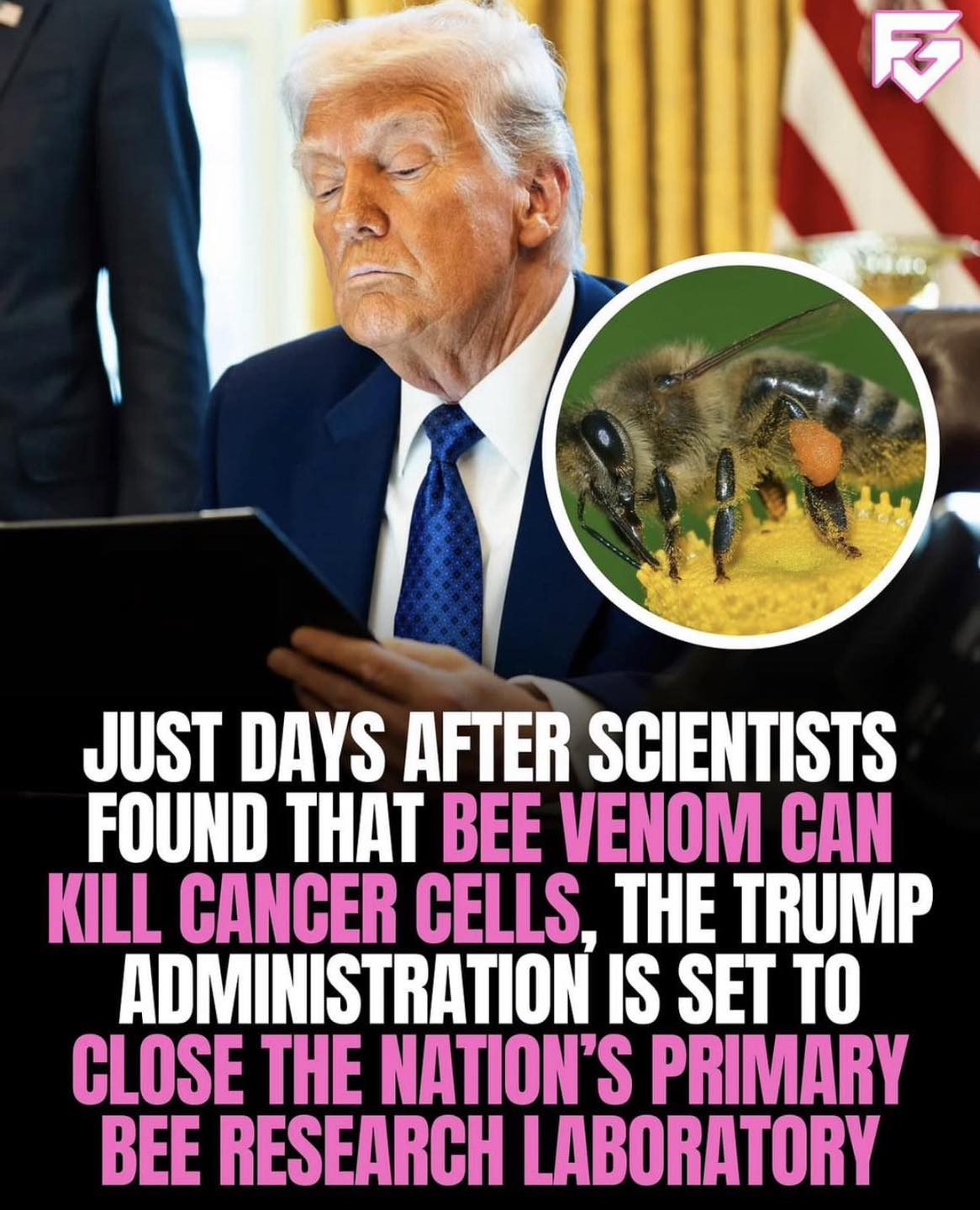
The recent decision by the Trump administration to close the Beltsville Agricultural Research Center (BARC) in Maryland has sparked significant concern and criticism. This center, known for housing the nation's oldest and most prominent bee research laboratory, has been a cornerstone in agricultural research. The timing of this closure is particularly surprising, given the recent discovery that bee venom has the potential to kill cancer cells.
Context/Why this matters
This decision, announced right after the significant research on bee venom, seems counterintuitive, considering the potential medical advancements that such a discovery could yield. The closure of BARC, which is part of a broader set of cuts to agricultural research funding, totals around $32 million. To put this into perspective, that's similar to the cost of six weekend golf vacations for the President. If the goal is to save money, focusing on reducing unnecessary expenditures like these could be a starting point.
The significance of this move goes beyond just financial implications. Scientific advancements, especially those that have shown promise in fighting cancer, are critical for public health and future medical research. The fact that bee venom has been found to have anticancer properties is a breakthrough that deserves continued exploration, not curtailed by budget cuts.
Additionally, the broader impact of this decision extends beyond the medical field. Agricultural research is crucial for food security, sustainability, and the overall health of the environment. Closing primary research laboratories can set back years of progress, leading to long-term detrimental effects on the agricultural industry and public health in general.
Main Discussion
The Impact on Cancer Research
The discovery that bee venom can potentially kill cancer cells is a groundbreaking finding. This venom contains a specific compound known as melittin, which has shown promising results in destroying cancer cells. Melittin can penetrate the cell membranes of cancer cells and disrupt their structure, leading to cell death. This finding has sparked hope in the medical community for developing new cancer treatments that could be more effective and less harmful to healthy cells than current therapies.
Potential Effects on Agricultural Research
The closure of the Beltsville Agricultural Research Center (BARC) is part of a broader trend of funding cuts to agricultural research. This particular laboratory has been at the forefront of bee research, which is critical for pollination and the overall health of ecosystems. Bees play a vital role in agriculture, contributing to the pollination of crops that support a significant portion of the global food supply.
The Broader Implications
The decision to close BARC also comes with long-term consequences. Researchers and scientists who have dedicated their careers to this field may find themselves without jobs or resources to continue their work. The loss of expertise is a significant setback because replacing these highly skilled professionals can take years. Moreover, the time and resources needed to rebuild and re-establish research programs from scratch can be substantial, leading to a prolonged period of stagnation in critical areas of research.
The Presidential Timeline
It's important to consider the timeline of the Trump administration. Currently, the administration has just over 2.5 years left in office. This means that any decisions made now will likely have long-lasting effects that the next administration will have to address. The transition of power will require significant effort to repair the damage and rebuild the research infrastructure, as many brilliant scientists will have moved on to other opportunities. The next administration will be left with a challenging task of rebuilding and revitalizing the field of agricultural and medical research.
Public Reaction and Awareness
The public has largely ignored the significance of this closure, which is concerning. It highlights a broader lack of awareness about the importance of agricultural and medical research. Public engagement and support are crucial for policymakers to understand the value of continued funding for such critical areas. Advocacy efforts will be essential to ensure that future administrations prioritize these sectors.
Practical Tips
For Policymakers
Policymakers need to prioritize long-term sustainability and innovation in their budgeting decisions. This includes understanding the value of scientific research, especially in areas like agriculture and health. They should consider the potential benefits of continued funding, such as medical breakthroughs and improved agricultural practices, which can have profound impacts on public health and the economy.
For Researchers
Researchers in the field need to step up their advocacy efforts. As the ones on the front lines of innovation, they are aware of the critical importance of continued research and funding. By highlighting the potential breakthroughs and the positive impact of their work, researchers can make a compelling case for maintaining and increasing funding for agricultural and medical research.
For the Public
The public needs to be more informed about the importance of these research areas. Whether it's through public forums, social media, or community engagement, raising awareness about the benefits of agricultural and medical research can ensure that these areas receive the support they need. The public also has a role to play in holding policymakers accountable and advocating for continued funding.
Important Takeaways
The closure of the Beltsville Agricultural Research Center (BARC) by the Trump administration is a significant move that has far-reaching implications. The timing of this closure, just days after the discovery of bee venom's potential to kill cancer cells, raises questions about the prioritization of research and development. The impact on both cancer research and agricultural sustainability is profound, highlighting the need for continued funding and support.
It's crucial for policymakers, researchers, and the public to understand the significance of these decisions. Advocacy and public awareness are essential to ensuring that future administrations prioritize critical areas of research. The long-term effects of these budget cuts will be felt for years to come, making it crucial to address these issues proactively.
Conclusion
The recent decision to close the Beltsville Agricultural Research Center (BARC) is a stark reminder of the importance of continued funding for research and development. With the discovery of bee venom's potential to fight cancer, the timing of this closure raises serious concerns. The impact on both medical and agricultural research will have long-lasting effects, and it's essential for all stakeholders to advocate for the necessary support. By prioritizing research and innovation, we can ensure that future breakthroughs in cancer treatment and agricultural sustainability are not compromised.
Watch the Reel
Questions readers ask
Why did the Trump administration close the bee lab at the Beltsville Agricultural Research Center?
The Trump administration shut down the bee lab as part of broader budget cuts aimed at reducing agricultural research funding. This decision was part of a larger strategy to cut research funding, which has sparked significant controversy and concern.
What significant discovery was made regarding bee venom before the lab's closure?
Just before the closure, researchers discovered that bee venom has the potential to kill cancer cells, making the timing of the lab shutdown particularly controversial.
How might the closure of the bee lab impact medical research?
The closure may hinder medical advancements, particularly those related to the potential anti-cancer properties of bee venom. With the lab shut down, ongoing research in this area may be disrupted or slowed.
What other impacts might the closure of the bee lab have?
Beyond medical research, the closure could also impede agricultural progress, as the bee lab at BARC was a key player in agricultural research. This could affect various aspects of farming and agriculture.
What is the significance of the Beltsville Agricultural Research Center's bee lab?
The bee lab at BARC is the nation's oldest and most prominent bee research facility. It has played a crucial role in both agricultural research and, more recently, in medical research due to the discovery of bee venom's potential medical uses.
How has the public reacted to the closure of the bee lab?
The public reaction has been one of significant concern and criticism. Many argue that the closure is counterintuitive, given the potential medical and agricultural benefits of continuing research at the lab.
What other research areas might be affected by the Trump administration's cuts to agricultural research funding?
The cuts to agricultural research funding could impact a wide range of areas, including crop science, livestock research, and environmental studies. These cuts may also affect the development of new technologies and practices in agriculture.
Related deep dives
Similar reads based on topic and creator.




Recent articles
Fresh deep dives from the latest Reels we unpacked.




Comments
Be the first to comment.