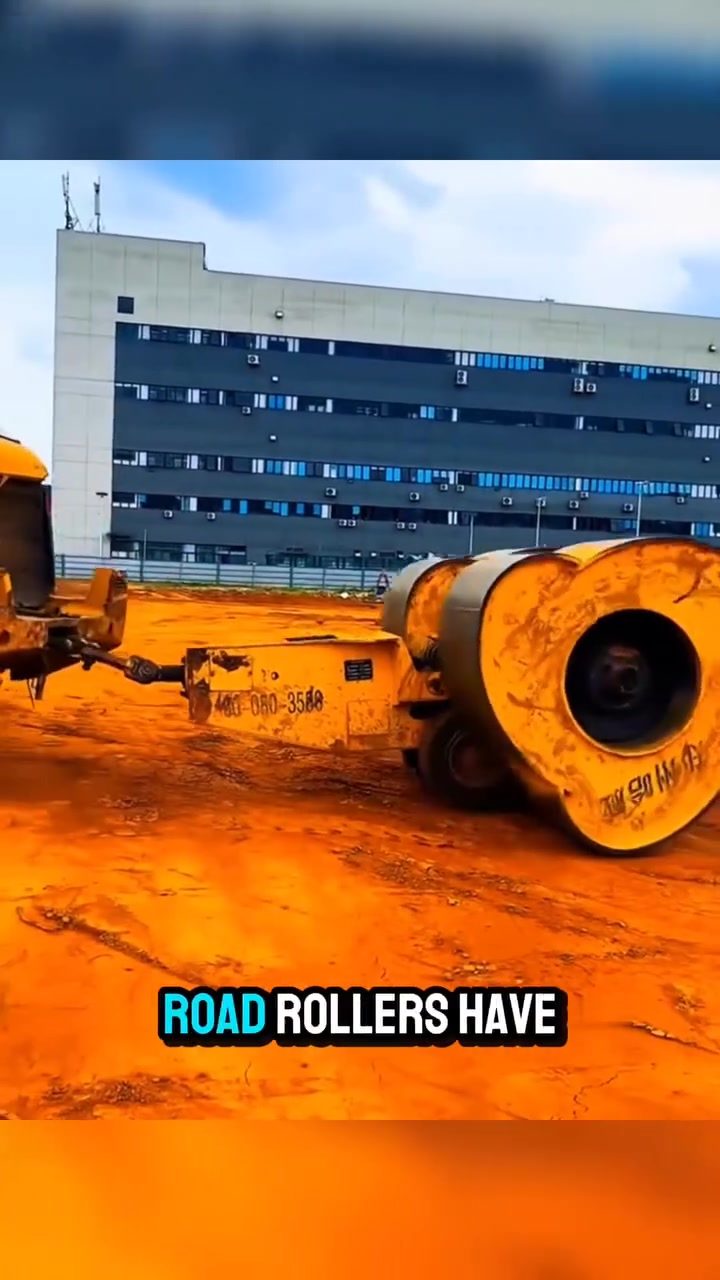
Why Some Road Rollers Use Triangular Drums
When it comes to road construction, the type of equipment used can significantly impact the quality and durability of the final surface. One notable piece of equipment that stands out is the soil compactor, particularly those with a triangular-shaped drum. This design is not just a peculiar feature but serves a crucial purpose in deep ground compaction.
Context / Why This Matters
Effective soil compaction is vital for various construction projects, from ordinary roads to major infrastructure like highways, airports, dams, and railways. The quality of compaction directly affects the longevity and stability of these structures. Understanding the differences between conventional round rollers and triangular drum compactors can help contractors and engineers choose the right equipment for their specific needs.
Main Discussion
The Conventional Round Roller
A conventional round roller is widely used in construction for its simplicity and effectiveness in compacting soil to a depth of 20 to 30 centimeters. This type of roller relies on its weight and high-frequency vibration to achieve the desired compaction. While this method is sufficient for ordinary road surfaces, it falls short when deeper compaction is required.
The Impact Roller: A Specialized Machine
An impact roller, also known as a pyramidal or triangular roller, is a specialized machine designed for deep ground compaction. Unlike conventional round rollers, this type of roller generates a powerful impact force with each revolution. The triangular shape allows the roller to deliver three major impacts, creating a shock wave that can penetrate the soil to depths of around 1.5 to 2.5 meters.
How Impact Rollers Work
The unique design of the triangular drum converts the roller's linear motion into a powerful impact force. As the roller moves, each raised section of the triangular drum "hits" the ground, creating a shock wave that travels deep into the soil. These shock waves are particularly effective for compacting difficult soils and large earth fills, making them ideal for major construction projects.
Practical Tips
Choosing the Right Equipment
When selecting a soil compactor, consider the specific requirements of your project. For ordinary road surfaces, a conventional round roller may be sufficient. However, for large-scale projects that require deeper compaction, an impact roller with a triangular drum is the better choice.
Maintaining Soil Compactors
Regular maintenance is essential for the longevity and effectiveness of soil compactors. Ensure that the rollers are properly lubricated and that any worn parts are replaced promptly. Regular inspections can help identify potential issues before they become major problems.
Safety Considerations
Operating heavy machinery like soil compactors requires adherence to safety protocols. Always wear the appropriate protective gear, including safety glasses, ear protection, and gloves. Additionally, ensure that all operators are adequately trained and certified to handle the equipment.
Important Takeaways
- Impact rollers with triangular drums are specialized machines designed for deep ground compaction.
- The triangular shape of the drum creates a powerful impact force that generates shock waves, reaching depths of up to 2.5 meters.
- Conventional round rollers are suitable for ordinary road surfaces but lack the compaction depth required for major projects.
- Choosing the right equipment and maintaining it properly are crucial for the success of any construction project.
- Safety is paramount when operating heavy machinery, so always follow the recommended protocols and training guidelines.
Conclusion
Understanding the differences between conventional round rollers and impact rollers with triangular drums can significantly enhance the quality and longevity of construction projects. By choosing the right equipment and following best practices, contractors and engineers can achieve optimal compaction and ensure the structural integrity of their projects.
Watch the Reel
Questions readers ask
What are triangular soil compactors and why are they important for infrastructure projects?
Triangular soil compactors are a type of heavy construction machinery designed for deep soil compaction. They are crucial for infrastructure projects like highways, airports, and dams because they can penetrate soil to depths of 1.5 to 2.5 meters, providing a stable foundation that enhances the longevity and stability of these structures.
How do triangular soil compactors differ from conventional round rollers?
Unlike conventional round rollers, triangular soil compactors generate powerful impacts that penetrate deeply into the soil. This deep compaction ensures a more solid foundation, which is essential for supporting heavy structures like roads and runways.
What types of projects benefit most from using triangular soil compactors?
Triangular soil compactors are particularly beneficial for major construction projects that require robust and stable foundations. These include highways, airports, dams, and railways, where deep soil compaction is necessary to ensure the longevity and safety of the structures.
Can triangular soil compactors be used for ordinary road construction?
Yes, triangular soil compactors can be used for ordinary road construction, but they are especially advantageous in situations where deep soil compaction is required. For standard roads, the choice of compactor often depends on the specific needs of the project, such as the expected load and soil conditions.
What are the advantages of using triangular soil compactors over other compaction methods?
Triangular soil compactors offer several advantages, including deeper soil penetration, which results in a more stable foundation. This deep compaction helps prevent issues like settlement and deformation, which are crucial for the long-term stability of structures like highways and airport runways.
How does the design of a triangular soil compactor enhance its performance?
The triangular shape of the drum in these compactors allows for a unique impact force that can penetrate deeply into the soil. This design generates more powerful and effective compaction, making it ideal for projects that demand deep soil compaction to ensure structural integrity and durability.
What factors should be considered when choosing a soil compactor for a construction project?
When selecting a soil compactor, consider the specific needs of your project, such as the required compaction depth, soil type, and the load the structure will bear. Triangular soil compactors are particularly suited for projects needing deep compaction, while conventional round rollers might be more appropriate for lighter-duty tasks.
Recent articles
Fresh deep dives from the latest Reels we unpacked.




Comments
Be the first to comment.