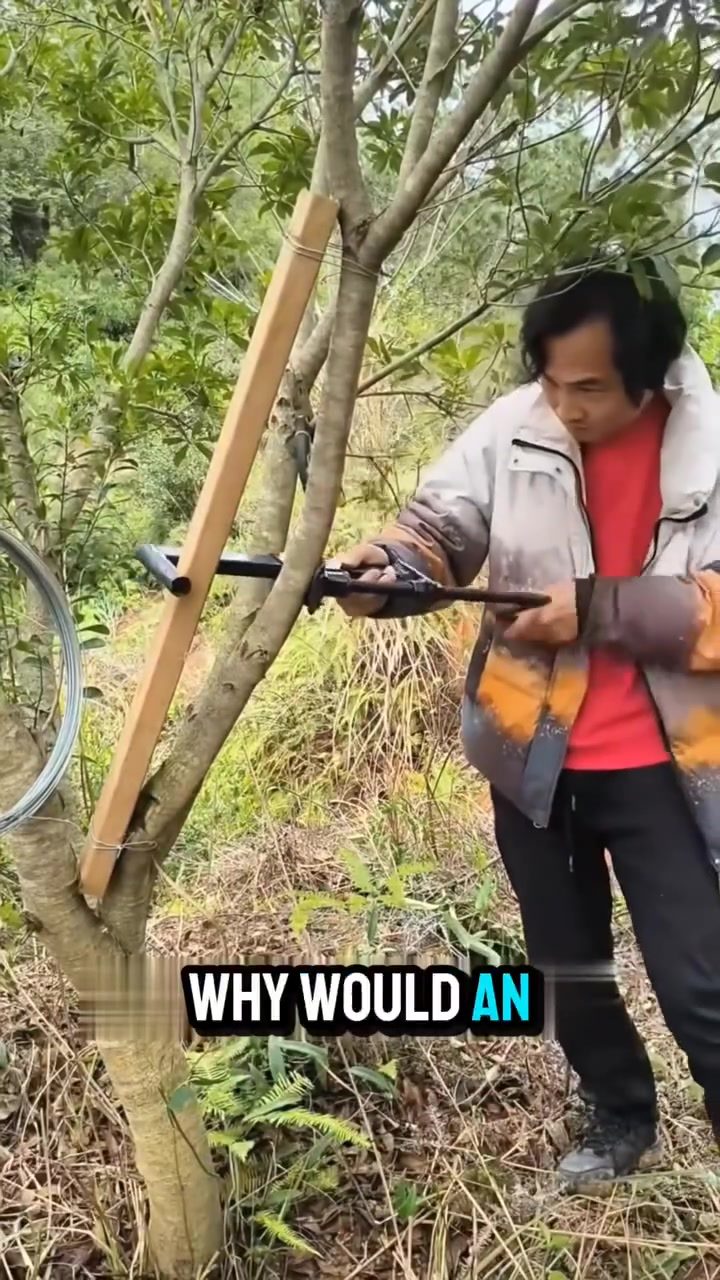
Tree Straightening Device: The Solution for Leaning Trees
Tree health and stability are critical for maintaining a lush, attractive landscape. Leaning trees, whether young or recently transplanted, present a unique challenge for arborists. The question remains: why not use heavy machinery to force a leaning tree upright? The answer lies in the delicate nature of a tree's internal structure and the risk of damaging its root system. This is where a tree straightening device comes into play, offering a more gentle and effective solution.
Why This Matters
Trees contribute significantly to the environment by providing shade, boosting air quality, and enhancing the aesthetic value of any landscape. Yet, they are vulnerable to environmental factors such as strong winds, loose soil, and weak support after planting, leading to leaning issues. Instead of resorting to drastic measures like cutting down and replanting a tree, arborists can now use a tree straightening device to correct these issues safely and effectively.
The Tree Straightening Device: Design and Function
A tree straightening device is specifically designed to correct leaning young trees or recently transplanted trees whose roots haven't fully stabilized. The device operates on a simple yet effective principle: gradual adjustment.
How It Works
Before applying the device, workers place wooden blocks between the tree and a solid anchor point. The device itself is then secured in place. As the handle is turned, an internal screw gradually increases the pulling force. This slow and controlled process allows the trunk and root system to return to an upright position without causing any damage. The device ensures that the tree is straightened safely, preserving its structural integrity.
The Importance of Gradual Adjustment
Gradual adjustment is crucial for several reasons. When too much force is applied too quickly, it can tear the tree's internal wood fibers before it is even straightened. This not only damages the tree but can also compromise its long-term health. By applying force slowly and evenly, the device helps maintain the tree's stability and encourages healthy growth.
Practical Tips for Using a Tree Straightening Device
Assessing the Situation
Before using a tree straightening device, it is essential to assess the situation thoroughly. Determine the cause of the leaning—whether it's due to strong winds, loose soil, or weak support. This assessment will help you decide if the device is the right tool for the job.
Choosing the Right Anchor Point
The anchor point is critical for the effectiveness of the device. Ensure that it is solid and stable enough to support the tree as it is being straightened. This could be a sturdy fence post, a concrete pillar, or any other immovable structure in the vicinity.
Securing the Device
Properly securing the device is crucial for the process to be effective. Follow the manufacturer's instructions carefully to ensure that the device is attached correctly. This will help distribute the pulling force evenly, reducing the risk of damaging the tree.
Monitoring Progress
Regularly monitor the tree's progress as it is being straightened. This will help you make any necessary adjustments and ensure that the process is going smoothly. If you notice any signs of stress or damage, stop the process and reassess the situation.
Important Takeaways
Using a tree straightening device offers several advantages over traditional methods of correcting leaning trees:
- Preserves Mature Trees: Instead of cutting the tree down and planting a new one, the device preserves a mature tree, saving years of growth.
- Environmental Value: By protecting the tree's shade, beauty, and environmental value, the device helps maintain a healthy and attractive landscape.
- Efficient and Effective: The gradual and controlled process ensures that the tree is straightened safely, reducing the risk of damage.
- User-Friendly: The device is easy to use, making it accessible to both professional arborists and homeowners.
Conclusion
The tree straightening device is a game-changer in arboriculture, providing a safe and effective way to correct leaning trees. By applying gradual and controlled force, the device preserves the tree's structural integrity and promotes healthy growth. Whether you're a professional arborist or a homeowner looking to maintain a beautiful landscape, this device offers a practical solution to a common problem. Embrace this innovative tool to keep your trees standing tall and healthy for years to come.
Watch the Reel
Questions readers ask
What exactly is a tree straightening device?
A tree straightening device is a specialized tool designed to gradually correct the lean of a tree. It provides upright support without causing harm to the tree's delicate root system, making it ideal for both young and recently transplanted trees.
How does a tree straightening device work to correct leaning trees?
The device works by applying gentle, controlled pressure to the leaning tree, encouraging it to grow upright over time. This gradual correction process allows the tree's root system to stabilize and adapt, promoting overall tree health and stability.
Why is it important to avoid using heavy machinery for straightening trees?
Heavy machinery can cause significant damage to a tree's root system and internal structure. This can lead to long-term health issues and even the death of the tree. In contrast, a tree straightening device offers a safe, non-invasive method for achieving an upright tree.
Can a tree straightening device be used on any type of tree?
A tree straightening device can be used on a variety of trees, but it is particularly effective for young trees and those recently transplanted. For older or larger trees, a professional arborist should assess the situation to determine the best course of action.
How long does the tree straightening process typically take?
The duration of the tree straightening process varies depending on the severity of the lean and the specific tree species. Generally, it can take several weeks to a few months for a tree to correct its lean and grow upright with the help of a straightening device.
What are the benefits of maintaining upright trees in a landscape?
Upright trees contribute to a more appealing and safe landscape. They provide better shade, improve air quality, and reduce the risk of falling branches or uprooting. Additionally, upright trees are less likely to interfere with power lines or other structures, making them a crucial element in any well-maintained landscape.
Related deep dives
Similar reads based on topic and creator.

Recent articles
Fresh deep dives from the latest Reels we unpacked.




Comments
Be the first to comment.