Iconic Robots of the Decade (2000-2010)
The decade from 2000 to 2010 was a transformative period for robotics, marked by significant advancements in research, space exploration, home automation, and humanoid robotics. This era saw the introduction of groundbreaking robots that laid the foundation for today’s intelligent machines.
Why this matters
Understanding the iconic robots of the 2000s and 2010s provides insight into the technological progress that has shaped modern robotics. These robots pushed the boundaries of mobility, autonomy, and human-robot interaction, inspiring innovations that continue to influence the field today.
Main discussion
Pioneering Robots in Space Exploration
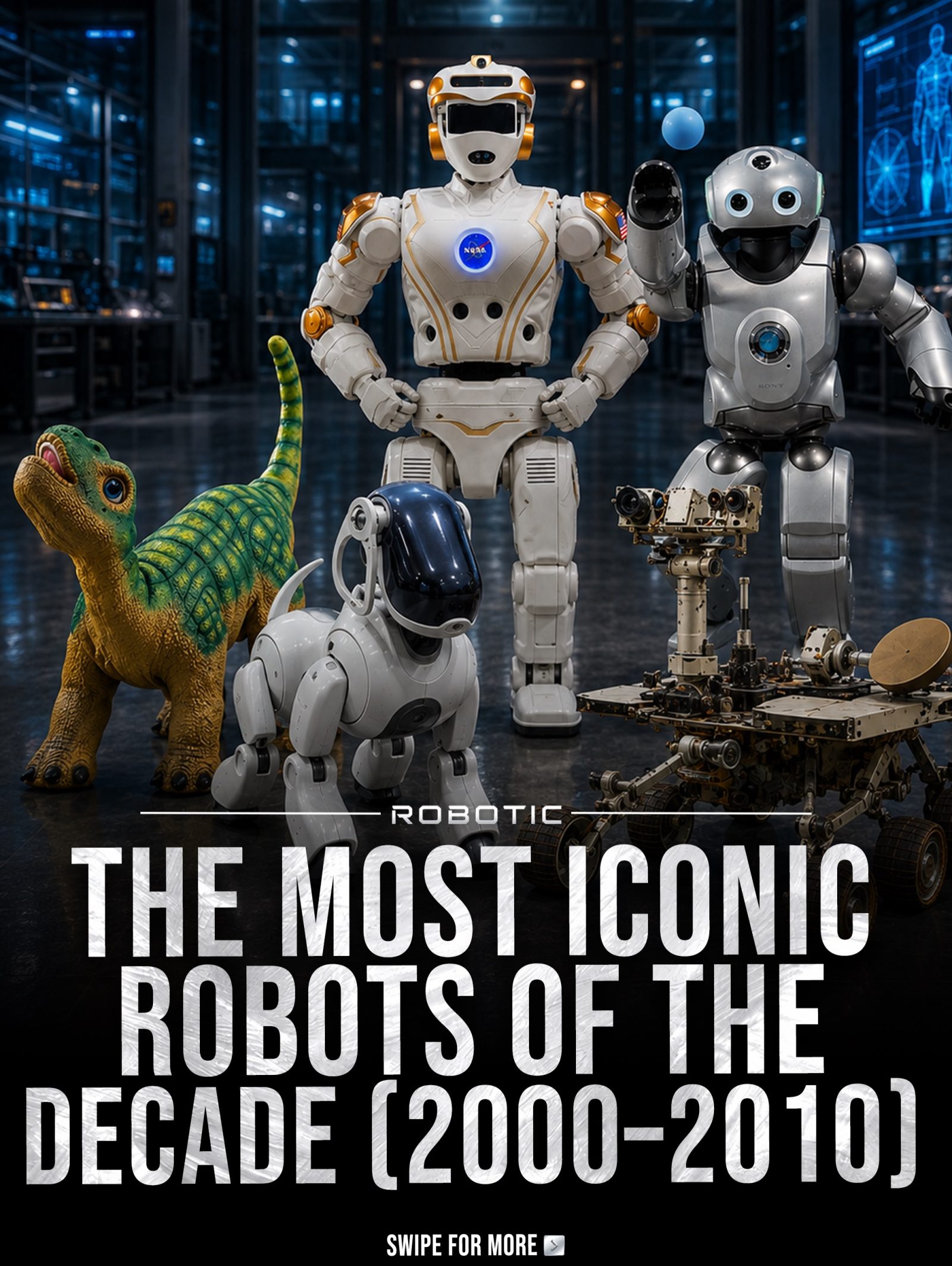
Among the most notable robots of this decade were those designed for space exploration. NASA's Spirit rover, launched in 2003, was a significant milestone. Spirit, along with its twin Opportunity, was part of NASA's Mars Exploration Rover mission. These rovers were designed to explore the Martian surface, sending back valuable data and images that have enhanced our understanding of the planet's geology and potential for past water activity. Spirit's resilience and the data it collected have been instrumental in planning future Mars missions.
Another pioneering robot in space exploration was NASA's Robonaut 1 and 2. Robonaut 1 was a humanoid robot designed to assist astronauts in the International Space Station (ISS). Its successor, Robonaut 2, was more advanced and was sent to the ISS in 2011. Robonaut 2 was equipped with the ability to use human tools, perform maintenance tasks, and even assist in scientific experiments. These robots have paved the way for future space exploration, where humanoid robots could potentially work alongside astronauts in deep space missions.
Advancements in Humanoid Robotics
Humanoid robotics saw significant advancements during this decade with robots like the Sony Aibo ERS-7 and QRIO. The Aibo ERS-7, released in 2006, was a robotic pet dog that could interact with its environment and owners in sophisticated ways. It could recognize faces, respond to commands, and even learn tricks over time. The Aibo ERS-7 was more than just a toy; it showcased advancements in artificial intelligence and robotics that later influenced the development of service robots.
The Sony QRIO, on the other hand, was a bipedal humanoid robot designed to mimic human movements. Introduced in 2003, the QRIO could walk, dance, and even perform complex movements like cartwheels. It was a testament to the advancements in robotics and AI, showcasing the potential for humanoid robots to operate in dynamic environments.
Robots for Home Automation
Home automation also saw significant developments with robots like the iRobot's Roomba and PackBot. The Roomba, introduced in 2002, revolutionized household cleaning by automating the process of vacuuming. With its advanced sensors and algorithms, the Roomba could navigate around obstacles and clean floors efficiently. It laid the groundwork for future robotic vacuum cleaners, which have become common household appliances today.
The PackBot, developed by iRobot, was a rugged, mobile robot designed for hazardous environments. Initially created for military use, the PackBot was later adapted for civilian applications, such as search and rescue and disaster response. Its durability and versatility made it a valuable tool in situations where human intervention was too dangerous.
Industrial and Service Robots
The 2000s and 2010s also saw the development of industrial and service robots that have had a lasting impact. Honda's ASIMO, introduced in 2000, was a humanoid robot designed to assist humans in various tasks. ASIMO could walk, run, and even climb stairs, showcasing advancements in bipedal locomotion and balance.
The Toyota Partner Robot, introduced in 2007, was another significant development in humanoid robotics. Designed to work alongside humans in manufacturing and service industries, the Partner Robot had advanced sensor systems and AI capabilities, making it a versatile tool for various tasks.
Robots for Entertainment and Education
Entertainment and education also benefited from advancements in robotics during this decade. MIT's Kismet, developed in 1998 but continued into the 2000s, was a robotic head designed to interact with humans using facial expressions and vocalizations. Though primarily a research platform, Kismet demonstrated the potential for robots to engage in socially meaningful interactions.
Another notable robot in this category was the Pleo, a robotic dinosaur developed by Ugobe. Released in 2006, Pleo was designed to be an interactive pet that could learn and evolve over time. It showcased advancements in AI and robotics, providing a glimpse into the future of robotic companions.
Practical tips
If you are interested in the world of robotics, there are several practical tips to help you stay informed and engaged:
Stay Updated on Recent Developments: The field of robotics is constantly evolving. Follow recent research, conferences, and publications to stay updated on the latest advancements.
Engage with Robotic Communities: Join online forums, communities, and social media groups dedicated to robotics. These platforms provide opportunities to learn from experts, share ideas, and collaborate on projects.
Experimentation and Hands-On Learning: Get hands-on experience by building your own robots or participating in DIY projects. This practical experience can deepen your understanding of robotics and inspire innovative ideas.
Explore Educational Resources: Many universities and online platforms offer courses and resources on robotics. These can provide a structured way to learn about the fundamentals and advanced topics in the field.
Visit Robotics Exhibitions and Fairs: Attend robotics exhibitions, fairs, and conferences to see the latest innovations and interact with experts in the field.
Important takeaways
Robotics has come a long way since the 2000s, and the iconic robots of the decade have played a crucial role in shaping the technologies we use today. From space exploration to home automation and humanoid robotics, these robots have pushed the boundaries of what is possible. As we look to the future, the lessons learned from these pioneering robots will continue to influence the development of intelligent machines.
Conclusion
The decade from 2000 to 2010 was a pivotal era for robotics, marked by groundbreaking innovations that have laid the foundation for modern intelligent machines. From NASA’s Robonauts to Sony’s Aibo ERS-7 and Toyota’s Partner Robot, these iconic robots have transformed various fields and continue to inspire advancements in robotics and AI. As we move forward, the legacy of these robots will endure, driving the development of even more sophisticated and capable machines.
Watch the Reel
Questions readers ask
What were some of the key achievements of the Spirit rover in the 2000s?
The Spirit rover, part of NASA's Mars Exploration Rover mission, significantly advanced our understanding of Mars. It was the first rover to traverse Martian terrain, sending back crucial data on the planet's geological history and potential past habitats. Spirit's mobility and longevity paved the way for future robotic explorations, highlighting the 2000s' progress in robotic autonomy.
What made Robonaut 2 a significant development in humanoid robotics?
Robonaut 2, developed by NASA and General Motors, was notable for its advanced dexterity and humanoid design. It was the first humanoid robot to work alongside humans in space, performing tasks that required precision and adaptability. Robonaut 2's development marked a milestone in human-robot interaction, influencing advancements in robotic design and functionality.
How did robots in the 2000s contribute to home automation?
The 2000s saw the introduction of robots like the Aibo and Qrio, which brought robots into the home setting. These robots featured advanced sensors and AI capabilities, enabling them to interact with their environment and users in new ways. Although not all became commercially viable, they laid groundwork for today's smart-home technologies and personalized robotics.
Which robotics innovations from the 2000s have influenced today's AI?
Innovations from the 2000s, such as improved mobility from the Spirit rover and advanced human-robot interaction from Robonaut 2, have directly influenced today's AI. These advancements have led to more sophisticated autonomous systems and better human-robot collaboration, shaping the development of AI in various industries.
What was the significance of the Aibo and Qrio robots in the 2000s?
The Aibo and Qrio robots, developed by Sony, were significant for their focus on emotional interaction and entertainment. Although they faced commercial challenges, these robots showcased advancements in AI, sensors and robotics. The knowledge gained from developing these robots continues to inform the creation of interactive and engaging robots today.
How did the 2000s set the stage for future innovations in AI and robotics?
The 2000s introduced groundbreaking innovations in robotics, with robots like the Spirit rover and Robonaut 2 breaking new ground in mobility, autonomy, and human-robot interaction. These achievements provided a solid foundation for today's AI advancements, inspiring further research and development in the field of robotics and artificial intelligence.
What was the impact of the 2000s' space exploration robots on current AI technologies?
The space exploration robots of the 2000s, such as the Spirit rover, pioneered advancements in autonomous navigation and data analysis. These capabilities have significantly influenced current AI technologies, enabling more sophisticated autonomous systems and enhancing our ability to process and interpret complex data.
Related deep dives
Similar reads based on topic and creator.



Recent articles
Fresh deep dives from the latest Reels we unpacked.




Comments
Be the first to comment.