Earth Construction Techniques
There are ways to build houses without steel rebar. In traditional Japanese construction, bamboo and clay are used to create strong, breathable walls. These methods are not only eco-friendly but also have a rich historical background.
Context / Why This Matters
Earth construction techniques are becoming increasingly relevant in an era where sustainable and eco-friendly building practices are gaining traction. These methods not only reduce the environmental impact but also provide unique benefits in terms of indoor climate control. Understanding these techniques can inspire modern builders to incorporate traditional wisdom into contemporary construction.
Construction Techniques
Bamboo and Clay Walls
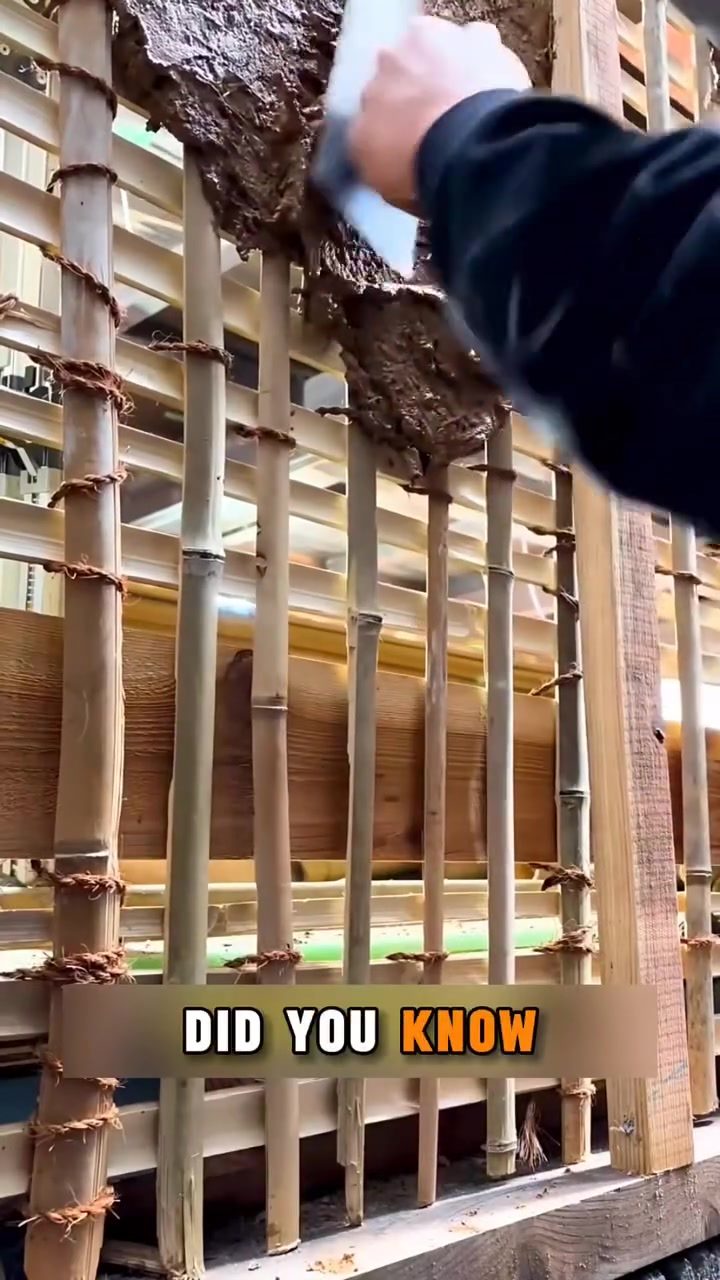
Traditional Japanese houses often utilize a construction technique that involves weaving bamboo strips into a strong mesh. This mesh is then tied together with hemp rope, creating a robust framework. Both sides of this framework are covered with thick clay. This method eliminates the need for steel rebar, making the construction process more eco-friendly and sustainable.
The process of creating these walls is both simple and effective. The bamboo strips are woven tightly to ensure strength, and the hemp rope adds an extra layer of durability. The clay coating not only provides insulation but also adds to the structural integrity of the wall. Despite its simplicity, this technique produces walls that are both strong and functional.
Breathable Clay and Moisture Regulation
One of the most remarkable features of these walls is their breathability. The tiny pores within the clay allow the walls to absorb excess moisture during humid weather. When the air becomes dry, these pores release the moisture, naturally regulating indoor humidity. This natural ventilation system eliminates the need for mechanical humidifiers or dehumidifiers, making the living environment more comfortable and energy-efficient.
The presence of cracks in the wall further aids in breathability. These cracks, visible within the earth material, facilitate the natural flow of air and moisture. This design ensures that the walls can adapt to changing weather conditions, providing a consistent and comfortable indoor climate throughout the year.
Historical Background
Origins in China
The bamboo and clay building technique has a fascinating history. Originating in China centuries ago, this method has been used for constructing eco-friendly homes and traditional guest houses. Over time, this technique has been revived and adapted in various regions, including Japan, where it has become a staple in traditional construction.
In Japan, this technique was adopted and modified to suit local materials and climatic conditions. The use of bamboo, which is abundant in Japan, and the incorporation of hemp rope and clay create a unique blend of traditional Chinese and Japanese construction wisdom. This fusion has resulted in a building style that is both durable and aesthetically pleasing.
Modern Revival
Today, this ancient technique is experiencing a revival as more people seek sustainable and eco-friendly building solutions. Modern builders are incorporating bamboo and clay into their designs, creating homes that are not only environmentally friendly but also beautiful and functional. This revival is driven by a growing awareness of the need to reduce our carbon footprint and live in harmony with nature.
Eco-friendly homes built using this technique offer a range of benefits. They are energy-efficient, reducing the need for artificial heating and cooling. The natural materials used in construction are biodegradable and renewable, making them a more sustainable choice. Additionally, these homes provide a healthier living environment, free from the chemicals and toxins often found in modern building materials.
Practical Tips
If you are considering building a sustainable home, here are some practical tips to get you started:
Sourcing Materials
- Bamboo: Choose bamboo that is sustainably sourced and of high quality. Ensure that the bamboo is free from pests and disease.
- Hemp Rope: Select hemp rope that is strong and durable. The rope should be able to withstand the weight and pressure of the walls.
- Clay: Use locally sourced clay that is rich in minerals and free from impurities. This will ensure that the walls are strong and durable.
Construction Process
- Weaving the Bamboo: Weave the bamboo strips tightly to create a strong mesh. Ensure that the weave is even and uniform to provide structural support.
- Tying with Hemp Rope: Use hemp rope to tie the bamboo strips together. The rope should be tightly secured to ensure stability and durability.
- Applying the Clay: Apply a thick layer of clay on both sides of the bamboo mesh. Ensure that the clay is evenly distributed and free from cracks or bubbles. The final coating will be smooth and uniform.
Maintenance and Upkeep
- Inspection: Regularly inspect the walls for any cracks or damage. Repair any issues promptly to maintain the structural integrity of the walls.
- Moisture Control: Ensure that the walls are properly ventilated to allow for the natural regulation of indoor humidity. Avoid using harsh chemicals or cleaners that could damage the clay.
Important Takeaways
- Traditional Japanese construction techniques offer a sustainable and eco-friendly alternative to modern building methods.
- Bamboo and clay walls are strong, durable, and naturally breathable, providing a comfortable and energy-efficient living environment.
- This construction technique has a rich historical background, originating in China and adapted in Japan.
- Modern builders are reviving this technique to create eco-friendly homes that are both beautiful and functional.
Conclusion
Incorporating traditional earth construction techniques into modern building practices can lead to more sustainable and eco-friendly homes. By using natural materials like bamboo and clay, builders can create structures that are not only durable and functional but also environmentally responsible. This technique, with its rich historical background and modern adaptations, offers a unique and innovative approach to construction that benefits both the environment and the people who live in these homes.
Watch the Reel
Questions readers ask
What makes Japanese clay-bamboo walls eco-friendly?
Japanese clay-bamboo walls are eco-friendly because they use natural, renewable materials like bamboo and clay. These materials have a lower environmental impact compared to synthetic or industrially processed building materials. Additionally, the breathable nature of these walls reduces the need for energy-intensive mechanical climate control, further decreasing their carbon footprint.
How do Japanese clay-bamboo walls regulate indoor humidity?
The breathable nature of clay allows moisture to pass through the walls, helping to maintain optimal indoor humidity levels. When the air inside is humid, the walls absorb excess moisture. Conversely, when the air is dry, the walls release moisture, creating a comfortable living environment without relying on artificial climate control systems.
What are the benefits of using bamboo in traditional Japanese construction?
Bamboo is a highly sustainable material due to its fast growth rate and renewability. It is also incredibly strong and flexible, making it an excellent choice for construction. Bamboo's natural properties contribute to the breathability and durability of the walls, while also providing insulation and structural support.
How long have bamboo and clay been used in Japanese housing?
The use of bamboo and clay in Japanese housing dates back centuries. These traditional building methods have been employed for hundreds of years, reflecting a deep cultural heritage and practical knowledge passed down through generations. This historical context adds a layer of authenticity and reliability to these sustainable construction techniques.
Can traditional Japanese earth construction techniques be applied to modern housing?
Yes, these techniques can be adapted for modern housing. Many contemporary builders are exploring ways to integrate traditional Japanese earth construction methods into modern designs. This not only enhances the sustainability of new buildings but also introduces a unique aesthetic and cultural element to contemporary architecture.
What are the advantages of breathable clay walls in housing?
Breathable clay walls offer several advantages, including improved indoor air quality and reduced energy consumption. By allowing moisture to pass through, these walls help prevent the buildup of condensation and mold, creating a healthier living environment. They also reduce the reliance on heating and cooling systems, contributing to lower energy bills and a smaller carbon footprint.
Why are Japanese bamboo and clay houses considered sustainable?
Japanese bamboo and clay houses are considered sustainable due to their use of eco-friendly, natural materials and their ability to regulate indoor climate naturally. Bamboo grows quickly and requires minimal resources, while clay is abundant and readily available. The breathable nature of the walls reduces the need for energy-intensive climate control, making these houses both environmentally friendly and cost-effective in the long run.
Related deep dives
Similar reads based on topic and creator.



Recent articles
Fresh deep dives from the latest Reels we unpacked.




Comments
Be the first to comment.