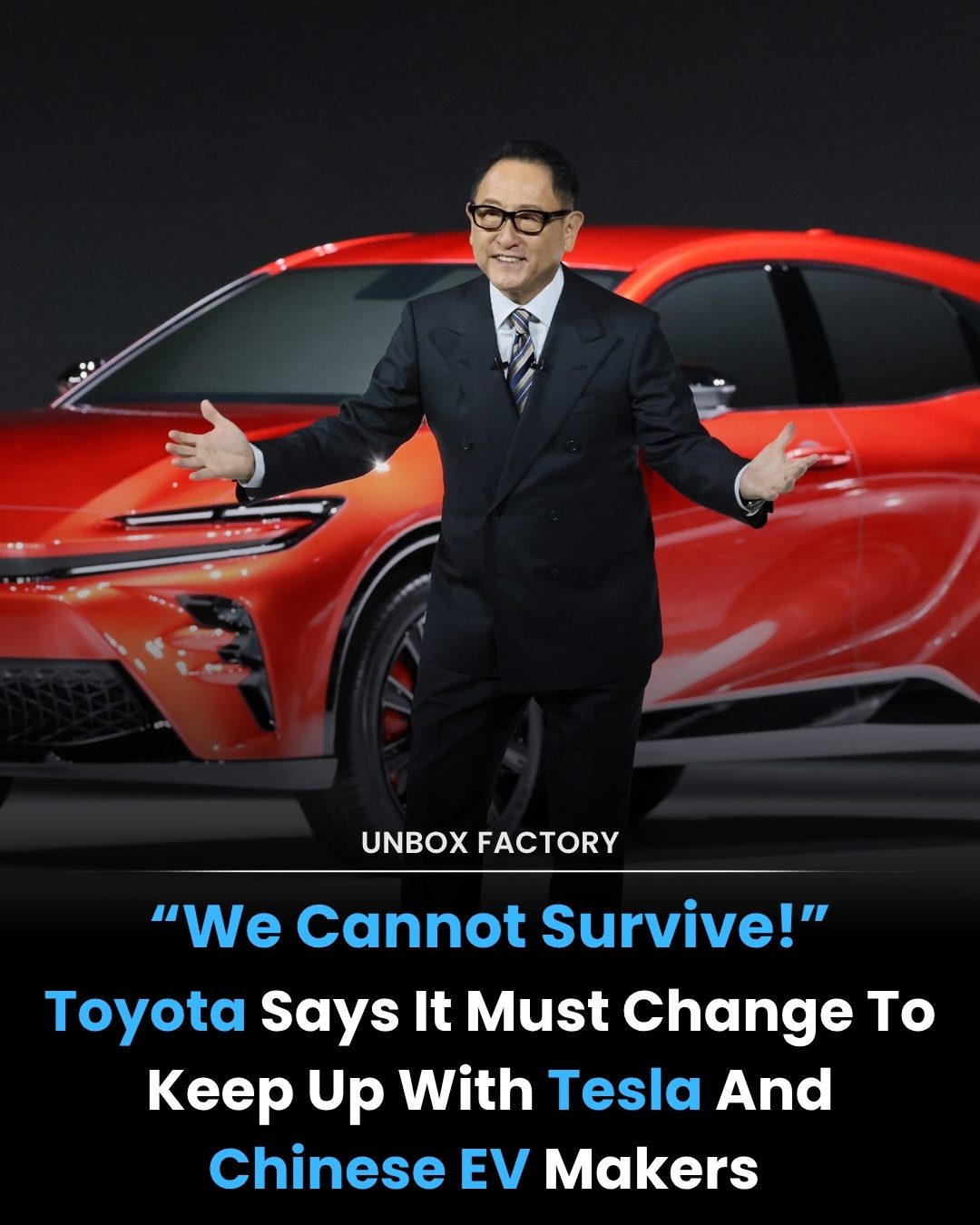
Automotive Industry Shift
Toyota's recent acknowledgment of the need to accelerate its electric vehicle (EV) transformation signals a pivotal moment in the global automotive industry. With Tesla and rapidly expanding Chinese manufacturers like BYD reshaping the market, Toyota is increasing its investment in EVs, software-defined vehicles, AI-driven manufacturing, and next-generation battery technology.
Why This Matters
Toyota's shift is not just about staying competitive; it's about surviving in a rapidly evolving market. The company acknowledges that to keep up with the likes of Tesla and Chinese EV makers, it must innovate and evolve. With over 10 million vehicles produced annually, Toyota remains the world's largest automaker, but battery electric vehicles make up only a small portion of its sales. This shift is crucial for Toyota to maintain its leadership position in the automotive industry.
The Competitive Landscape
Tesla's Dominance
Tesla has been a trailblazer in the EV market, setting new standards for performance and technology. Toyota recognizes that to stay relevant, it must match or exceed Tesla's advancements. This includes not just the vehicles themselves, but also the infrastructure and technology that supports them.
The Rise of Chinese EV Makers
Chinese manufacturers, particularly BYD, have made significant strides in the EV market. Their rapid expansion and innovative approaches pose a serious challenge to traditional automakers. Toyota's acknowledgment of this competition underscores the urgency for the company to innovate and evolve.
Toyota's Strategic Initiatives
Investment in EVs
Toyota is ramping up its investment in electric vehicles to compete more effectively in the market. This includes developing new EV models and improving the efficiency and range of existing ones. The goal is to offer vehicles that not only meet but exceed customer expectations in terms of performance, range, and charging time.
Software-Defined Vehicles
Software-driven features are becoming increasingly important in the automotive industry. Toyota is investing in software-defined vehicles, which use advanced software to improve vehicle performance, safety, and user experience. This includes features like over-the-air updates, enhanced autonomous driving capabilities, and personalized settings.
AI-Driven Manufacturing
AI is transforming the automotive manufacturing process. Toyota is leveraging AI to optimize production, reduce costs, and improve quality. This includes predictive maintenance, automated quality control, and more efficient supply chain management.
Next-Generation Battery Technology
One of the most significant developments is Toyota's plan to commercialize solid-state batteries. These batteries promise over 1,000 km (620 miles) of range with charging times of around 10 minutes, potentially transforming future EV performance. This technology could address one of the biggest challenges facing EVs today: range anxiety and long charging times.
Practical Tips for Consumers
Understanding EV Range and Charging
When considering an EV, it's important to understand the vehicle's range and charging capabilities. Toyota's upcoming solid-state batteries could offer a significant advantage in this regard, providing longer range and faster charging times. As the industry evolves, consumers can expect more options and better performance in EVs.
The Role of Software in Modern Cars
Software is playing an increasingly important role in modern vehicles. From over-the-air updates to autonomous driving features, software-defined vehicles offer enhanced performance, safety, and convenience. Consumers should look for vehicles that offer robust software features and regular updates.
The Importance of Battery Technology
Battery technology is at the heart of the EV revolution. Advances in battery technology, such as solid-state batteries, could transform the EV experience by offering longer range, faster charging times, and improved safety. Consumers should stay informed about the latest developments in battery technology and consider how they impact their EV choices.
Important Takeaways
Toyota's acknowledgment of the need to accelerate its EV transformation is a significant development in the automotive industry. The company's strategic initiatives, including investment in EVs, software-defined vehicles, AI-driven manufacturing, and next-generation battery technology, highlight its commitment to staying competitive in a rapidly evolving market. Consumers can expect more innovation and better performance from EVs in the coming years, driven by advancements in technology and increased competition.
Conclusion
The automotive industry is undergoing a profound shift, and Toyota's response to this change is a testament to the company's resilience and innovation. As the market continues to evolve, driven by technological advancements and increased competition, Toyota's strategic initiatives position it well to lead the way in the future of mobility.
Watch the Reel
Questions readers ask
Why is Toyota accelerating its electric vehicle (EV) production?
Toyota is accelerating its EV production to keep pace with competitors like Tesla and Chinese automakers, who are rapidly gaining market share in the EV sector. This shift is crucial for Toyota to maintain its global leadership and relevance in the automotive industry.
What areas is Toyota investing in as part of its EV transformation?
Toyota is investing heavily in battery technology, software development, and AI. These areas are essential for creating innovative, competitive electric vehicles and software-defined vehicles. Additionally, Toyota is focusing on AI-driven manufacturing processes to enhance efficiency and productivity.
How does the competition from Tesla and Chinese EV makers impact Toyota?
Competition from Tesla and Chinese EV makers is pushing Toyota to innovate more rapidly. These companies have set new standards in the EV market, forcing Toyota to rethink its strategies and invest more in cutting-edge technologies to stay competitive.
What role does Toyota's investment in battery technology play in its EV strategy?
Investment in battery technology is crucial for Toyota's EV strategy as it directly impacts the performance and range of electric vehicles. By advancing battery technology, Toyota aims to create more efficient and powerful EVs that can compete with the likes of Tesla and Chinese manufacturers.
How is Toyota integrating AI into its automotive strategy?
Toyota is integrating AI into its automotive strategy to enhance both manufacturing and vehicle performance. AI-driven manufacturing processes improve efficiency and reduce costs, while AI in vehicles can enhance driving experiences, safety features, and overall vehicle functionality.
Related deep dives
Similar reads based on topic and creator.




Recent articles
Fresh deep dives from the latest Reels we unpacked.




Comments
Be the first to comment.