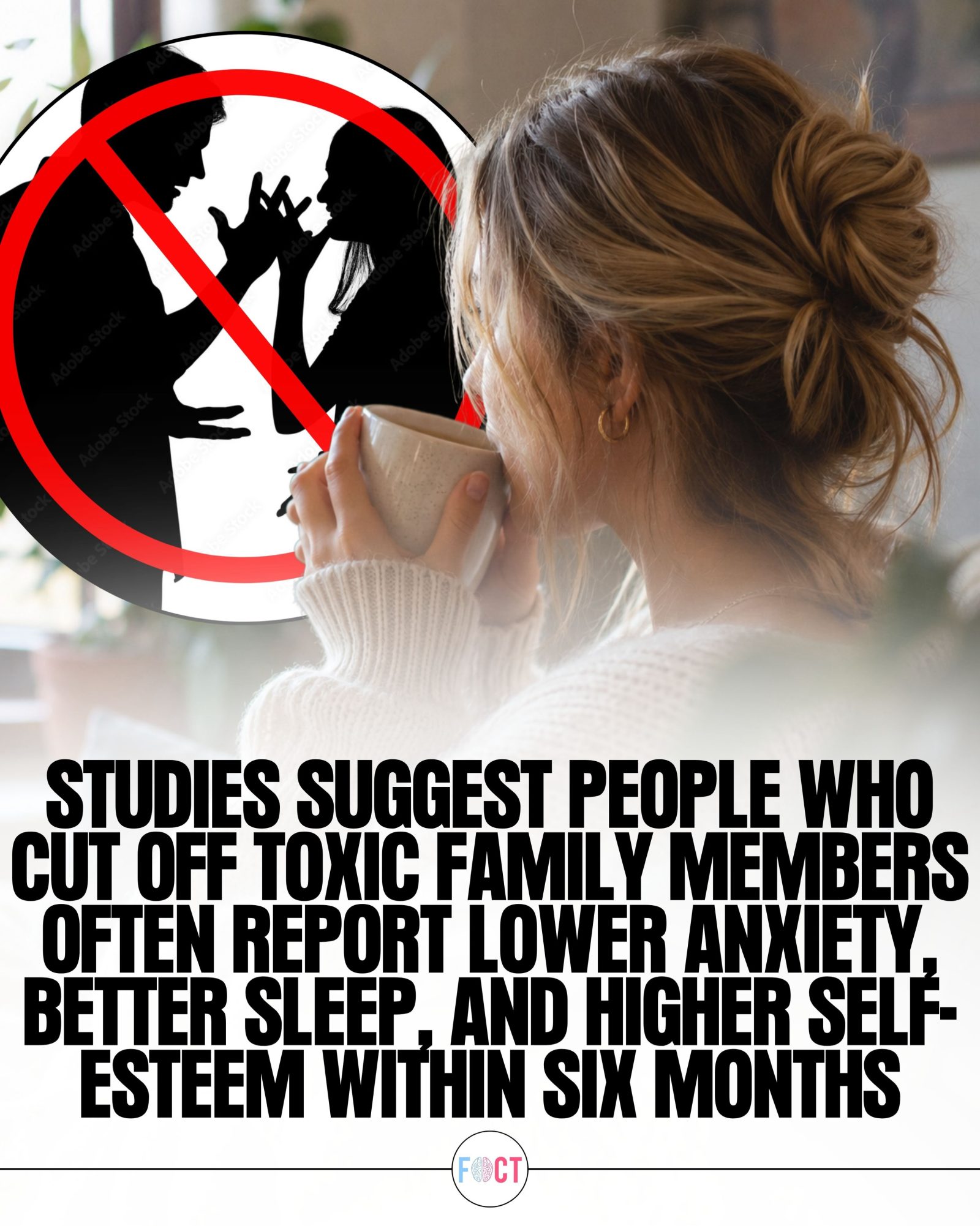
The Benefits of Distancing Yourself from Toxic Family Members
Establishing boundaries with toxic family members can lead to significant improvements in mental health and overall well-being. This choice, while difficult, often results in lower stress, better sleep, and higher self-esteem. Understanding the benefits and the process of setting these boundaries can be crucial for anyone navigating challenging family dynamics.
Context / Why this Matters
Family relationships are complex and deeply personal. When those relationships become toxic, it can have a profound impact on your mental health. Toxicity can manifest in various ways, including constant criticism, manipulative behavior, or emotional abuse. Recognizing the signs of a toxic relationship is the first step toward taking action to protect your well-being.
Main Discussion
Understanding the Impact of Toxic Family Relationships
Toxic family relationships can create a constant state of stress and anxiety. Studies suggest that individuals who distance themselves from such relationships often report lower levels of anxiety. The mental and emotional relief from removing oneself from a toxic environment can be transformative. This distancing allows for the development of healthier coping mechanisms and a more peaceful state of mind.
The Mental and Emotional Benefits
Distancing from toxic family members can have several positive outcomes. One of the most significant benefits is better sleep. Chronic stress and anxiety caused by toxic relationships often lead to sleep disturbances. Creating boundaries and distancing oneself can lead to a more restful night's sleep, which is crucial for overall health and well-being. Additionally, individuals often report higher self-esteem within six months of distancing themselves from toxic family members. This boost in self-esteem comes from the freedom to focus on personal growth and self-awareness without the constant negativity of a toxic relationship.
Creating Healthy Boundaries
Healing doesn't always mean reconciliation. It can also mean creating healthy boundaries. Setting boundaries is about protecting your peace and ensuring that your emotional and mental health are prioritized. This doesn't mean completely cutting off communication, but rather setting clear limits on what you are willing to tolerate. Boundaries can be physical, emotional, or both. For example, you might decide to limit the frequency of interactions or the topics of conversation. Whatever form they take, boundaries are essential for maintaining your well-being.
Practical Tips
Recognizing the Signs of a Toxic Relationship
The first step in distancing yourself from a toxic family member is recognizing the signs. Common indicators include constant criticism, manipulative behavior, and emotional abuse. These behaviors can be subtle or overt, but they always leave you feeling drained and negative. Pay attention to how you feel after interactions with this person. If you consistently feel worse, it might be time to consider setting boundaries.
Setting Boundaries Effectively
Setting boundaries can be challenging, especially with family members. However, it's a necessary step toward protecting your peace. Start by clearly communicating your boundaries. Be specific about what you will and will not tolerate. For example, you might say, "I need to take some time for myself and will not be available for frequent calls." It's also important to stick to your boundaries once you've set them. Consistency is key in making them effective.
Seeking Professional Help
Navigating the complexities of family relationships, especially toxic ones, can be overwhelming. Seeking help from a therapist or counselor can provide valuable support and guidance. A professional can help you understand your emotions, develop coping strategies, and set boundaries effectively. They can also offer a safe space to process your feelings and gain clarity on your next steps.
Important Takeaways
Distancing Yourself is Not Selfish
It's essential to understand that distancing yourself from toxic family members is not selfish. Protecting your peace is necessary for your well-being. You deserve to live a life free from constant stress and negativity. By setting boundaries, you are prioritizing your mental and emotional health, which is crucial for overall well-being.
Self-Care is Crucial
Self-care is an integral part of the healing process. Engaging in activities that bring you joy and relaxation can help you rebuild your self-esteem and resilience. Whether it's reading, exercising, or spending time in nature, make sure to prioritize self-care as you navigate this journey.
Conclusion
Distancing yourself from toxic family members is a significant decision that can lead to lower stress, better sleep, and higher self-esteem. Creating healthy boundaries and prioritizing your well-being is an essential step toward a more peaceful and fulfilling life. Recognize the signs of toxicity, set clear boundaries, and seek professional help if needed. Remember, protecting your peace is not selfish—it's necessary.
Watch the Reel
Questions readers ask
What are the signs of a toxic family member?
Signs of a toxic family member can include constant criticism, manipulation, emotional abuse, and a pattern of disrespectful behavior. They may also exhibit a lack of empathy, gaslighting, and a tendency to create tension within the family. Recognizing these behaviors is crucial for understanding when it's necessary to set boundaries or distance yourself.
How can distancing from toxic family members improve mental health?
Distancing from toxic family members can reduce stress and anxiety, leading to a more peaceful state of mind. It can also help in getting better sleep, improving self-esteem, and fostering a sense of emotional well-being. Over time, this can significantly enhance your overall mental health.
What are some effective ways to set boundaries with toxic family members?
Setting boundaries can involve clearly communicating your needs and limits to the toxic family member. This might include setting boundaries on communication, such as limiting phone calls or visits. You can also use non-confrontational language and be consistent in your boundaries. If necessary, seek support from a mental health professional for guidance through this process.
Is it possible to improve self-esteem by distancing from toxic family members?
Yes, by distancing from toxic family members, you can protect yourself from harmful criticisms and negativity. This can lead to a boost in self-esteem, as you are no longer constantly subjected to hurtful comments. Over time, this can foster a more positive self-image and enhance your emotional resilience.
Can better sleep be achieved by distancing from toxic family members?
Yes, reducing exposure to toxic family members can lead to a decrease in stress and anxiety, which are often the root causes of sleep disturbances. By creating a more peaceful environment, you can achieve better sleep, which in turn, can positively impact your overall mental health and wellbeing.
What should I do if a toxic family member refuses to respect my boundaries?
If a toxic family member refuses to respect your boundaries, it may be necessary to take further steps, such as limiting or ceasing contact with them. Seek support from friends, other family members, or a mental health professional. They can provide guidance and help you navigate the challenges of dealing with a family member who is unwilling to respect your boundaries.
How can I maintain family relationships while setting boundaries with toxic members?
It is possible to maintain other family relationships while setting boundaries with toxic members by communicating your needs clearly and assertively. You can also involve other family members in conversations about your boundaries and seek their support. Focus on maintaining healthy, supportive relationships while limiting interactions with the toxic family member as needed.
Recent articles
Fresh deep dives from the latest Reels we unpacked.




Comments
Be the first to comment.