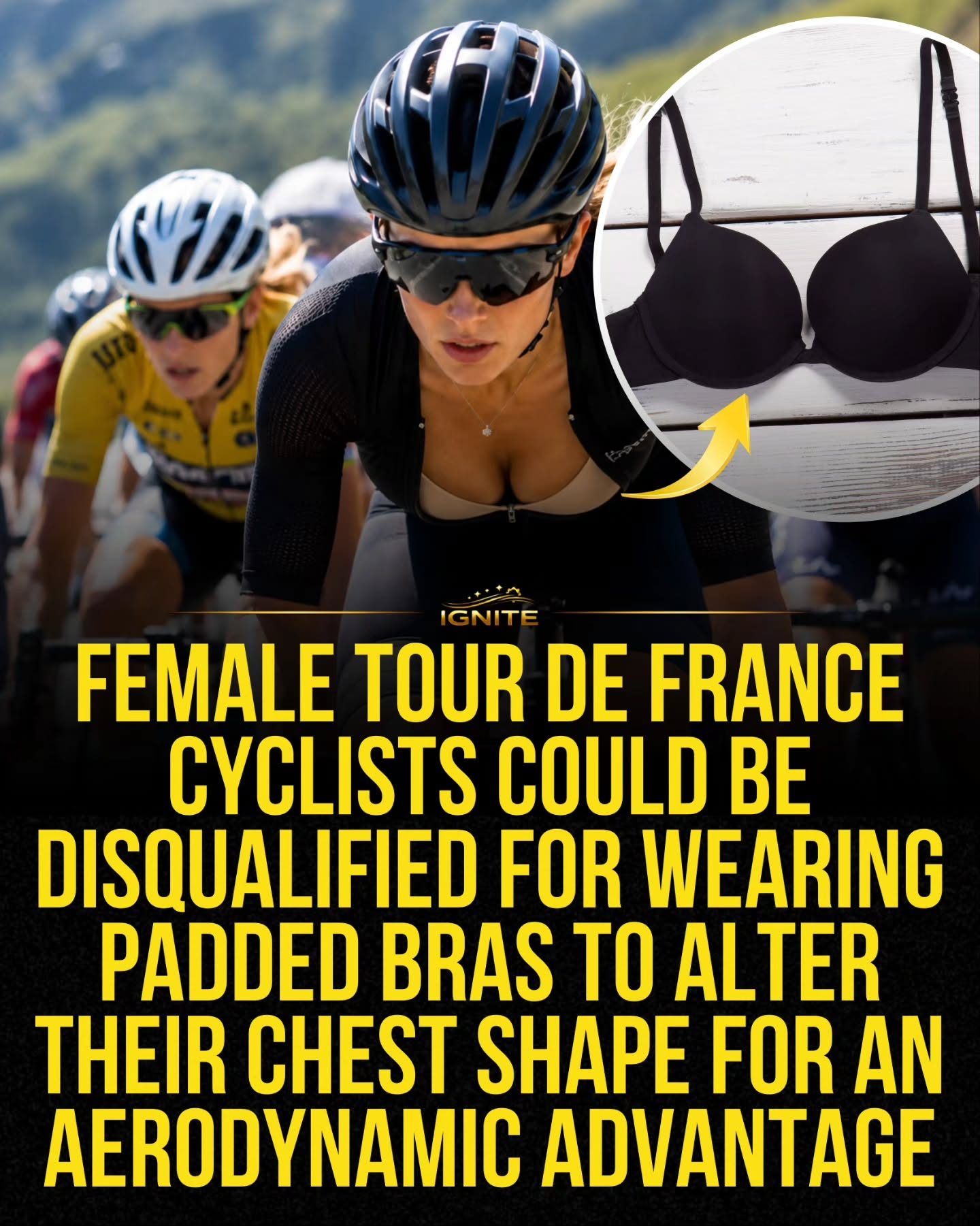
Controversy in Cycling: The Debate Over Padded Bras in Professional Racing
Professional cyclists are facing a new scrutiny regarding their clothing. Officials at the 2026 Tour de France Femmes have introduced extra clothing inspections after reports suggest some riders might be using additional padding inside sports bras or skinsuits to create a more aerodynamic body shape. This alleged modification could potentially reduce wind resistance, saving valuable seconds over the course of a race. However, the controversy goes beyond simple adjustments; it touches on the very rules that govern fair competition in professional cycling.
The Context: Aerodynamics and Cycling
The Importance of Aerodynamics
In cycling, especially in high-stakes events like the Tour de France, even the smallest aerodynamic advantage can make a significant difference. Aerodynamics, the study of how objects move through the air, is crucial in cycling because it affects the amount of wind resistance a cyclist encounters. Wind resistance, or drag, is a major factor in how quickly a cyclist can travel. Therefore, cyclists and their teams are constantly exploring ways to minimize this resistance.
UCI Regulations and Fair Play
The Union Cycliste Internationale (UCI), the world governing body for cycling, has strict regulations regarding aerodynamic advantages. These regulations ensure that all competitors have an equal opportunity to succeed, preventing any single rider or team from gaining an unfair edge. Riders are not allowed to artificially alter their body shape or equipment for aerodynamic gains, which could potentially include the use of padded bras.
The Controversy: Padded Bras and Aerodynamics
The Potential Advantage
The key controversy revolves around the potential use of padded bras to alter a cyclist's body shape, specifically the chest area, to reduce wind resistance. Reports suggest that additional padding could save up to 0.78 seconds per kilometre, which, over the long distances of a race like the Tour de France, could be decisive. This small advantage could potentially give a rider an edge in close races where every second counts.
The Official Response
In response to these concerns, officials have introduced extra clothing inspections. These inspections are part of a broader effort to ensure fair competition. Riders found violating the rules could face penalties, including disqualification. The goal is to maintain the integrity of the sport and ensure that athletes compete on equal terms.
Key Points of Discussion
The Science of Aerodynamics in Cycling
Aerodynamics in cycling is a complex science that involves understanding the forces that act on a cyclist as they move through the air. A cyclist's body shape, clothing, and equipment all play a role in how much wind resistance they experience. Even small changes can have a significant impact on performance. For example, a cyclist in a more aerodynamic position can reduce drag by as much as 30% compared to a more upright position.
The Role of Clothing
Clothing in cycling is not just about comfort and style; it’s also about performance. Modern cycling clothing is designed to minimize wind resistance and maximize comfort. This includes skintight fabrics that reduce drag and specialized fabrics that wick away sweat. The use of padded bras in this context is seen as a potential violation of these regulations because it artificially alters the body shape to gain an aerodynamic advantage.
The Ethical Considerations
The debate over padded bras in professional cycling raises broader ethical considerations. On one hand, cyclists are always looking for ways to improve their performance, and some might argue that using padded bras is just another form of optimization. On the other hand, the use of such devices could be seen as cheating, giving some riders an unfair advantage over others. The UCI’s regulations aim to strike a balance, ensuring that all competitors have an equal opportunity to succeed.
Practical Tips for Cyclists
Understanding UCI Regulations
Cyclists should be familiar with the UCI regulations regarding aerodynamic advantages. Understanding these rules can help ensure that you stay within the guidelines and avoid potential penalties. It’s important to remember that the goal of these regulations is to ensure fair competition, and adhering to them helps maintain the integrity of the sport.
Choosing the Right Clothing
When selecting cycling clothing, cyclists should focus on comfort, durability, and performance. Look for materials and designs that are specifically crafted for cycling, as these will provide the best aerodynamic benefits without violating any regulations. When buying new kit, pay close attention to the materials and construction to ensure they comply with the rules.
Important Takeaways
The Impact on the Sport
This controversy highlights the ongoing efforts to maintain fairness and integrity in professional cycling. As the sport continues to evolve, so too do the methods used to gain an advantage. The UCI’s response to this issue shows a commitment to ensuring that all competitors have an equal opportunity to succeed, and that the sport remains fair and competitive.
The Future of Cycling
The debate over padded bras in professional cycling is just one example of the broader issues surrounding fairness and performance in the sport. As technology and techniques continue to advance, it’s likely that we’ll see more controversies and rule changes in the future. The key will be to strike a balance between innovation and fairness, ensuring that the sport remains exciting and competitive for both athletes and fans.
Conclusion
The controversy over padded bras in professional cycling highlights the intricate balance between innovation and fairness in the sport. As cyclists continue to push the boundaries of what's possible, it's crucial for governing bodies to adapt and enforce regulations that ensure a level playing field. This debate serves as a reminder of the complex interplay between technology, performance, and the rules that govern competition. For cyclists, understanding and adhering to these regulations is essential for maintaining the integrity of the sport and ensuring that everyone has an equal chance to succeed.
Watch the Reel
Questions readers ask
Why are padded bras a concern in professional cycling competitions like the Tour de France Femmes?
Padded bras are under scrutiny because they are believed to reduce wind resistance, providing riders with an aerodynamic advantage. This could result in significant time savings over the course of a race, potentially giving some cyclists an unfair edge over their competitors.
How do padded bras allegedly provide an aerodynamic advantage?
Padded bras can potentially alter the body shape of a cyclist, making it more streamlined and reducing drag. This is claimed to save crucial seconds in races, which could be a decisive advantage in a competition as tight as the Tour de France.
What actions have officials taken in response to the controversy?
Officials at the 2026 Tour de France Femmes have implemented additional clothing inspections to ensure that riders are not using padded bras or other modifications to gain an unfair advantage. This move is part of an effort to maintain fair play and uphold the integrity of the competition.
What regulations govern the use of aerodynamic gear in cycling?
Professional cycling organizations have specific rules regarding the use of aerodynamic gear to ensure a level playing field. These regulations are designed to prevent any single cyclist from gaining an unfair advantage through unconventional or non-standardized equipment, including padded bras.
How does the controversy over padded bras affect the broader cycling community?
The debate over padded bras raises important questions about the balance between innovation and fair play in professional cycling. It prompts discussions about what constitutes acceptable performance-enhancing equipment and how rules should evolve to address new challenges in the sport.
Are there any other instances where aerodynamic modifications have caused controversy in cycling?
Yes, similar controversies have arisen in the past regarding aerodynamic helmets, skinsuits, and even frame modifications. Each of these instances has led to reviews and updates of the regulations governing what is permissible in professional cycling to ensure a fair competition for all participants.
What can cyclists expect in terms of future rule changes regarding aerodynamic gear?
With the ongoing investigation, cyclists can anticipate more stringent guidelines and increased scrutiny on the types of gear allowed. Future rule changes will likely focus on defining what constitutes fair and legal modifications, ensuring that all participants adhere to the same standards and maintain the integrity of the sport.
Related deep dives
Similar reads based on topic and creator.




Recent articles
Fresh deep dives from the latest Reels we unpacked.




Comments
Be the first to comment.