AI Drones: The Future of Mosquito Control
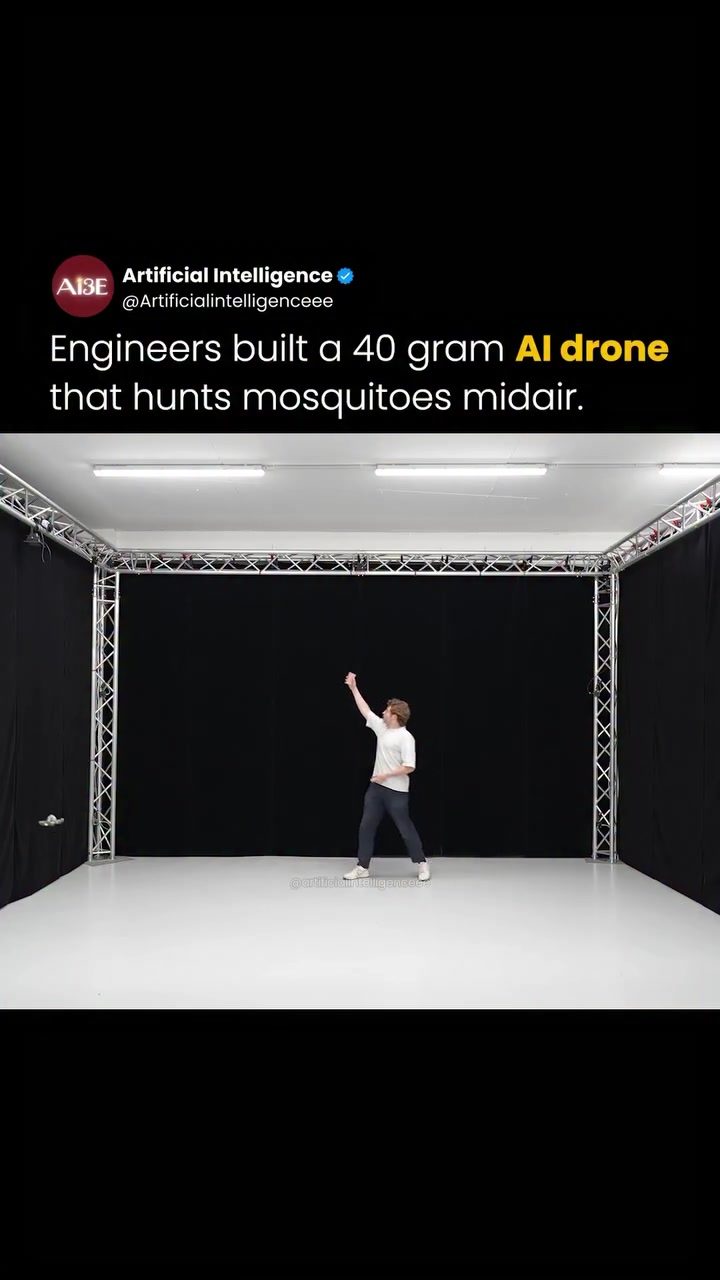
A Y Combinator-backed startup has developed an innovative solution to combat mosquitoes. The product is an AI-powered drone weighing just 40 grams that tracks and hunts mosquitoes by analyzing the sound of their wing beats, eliminating the need for cameras. This groundbreaking technology promises to revolutionize pest control and public health. In the recent demo, the drone is showcased in a controlled environment, demonstrating its ability to predict a mosquito’s flight path and intercept it mid-air.
Context / Why This Matters
Mosquitoes are more than just a nuisance; they are vectors for diseases like malaria, dengue, and Zika. Traditional methods of mosquito control, such as insecticides and traps, have limitations. Mosquitoes can develop resistance to insecticides, and traps often target only a fraction of the population. An AI drone that can track and intercept mosquitoes mid-air offers a novel approach to this persistent problem.
The potential of AI drones extends beyond pest control. They could be deployed in various settings, from residential areas to public parks and even large-scale agricultural fields. The ability to control mosquito populations could significantly impact public health, reducing the spread of mosquito-borne diseases.
Main Discussion
The Technology Behind AI Mosquito Hunting Drones
The AI drone developed by the startup relies on sophisticated algorithms to track the sound of mosquito wing beats. This method has several advantages over traditional camera-based systems. Cameras can be easily obstructed and may not work well in low-light conditions. Sound-based tracking, on the other hand, can operate continuously, regardless of environmental conditions. The drone’s lightweight design, weighing just 40 grams, allows it to maneuver swiftly and efficiently, making it ideal for intercepting fast-moving insects.
Predictive Flight Paths and Mid-Air Interception
One of the standout features of this drone is its ability to predict a mosquito’s flight path. By analyzing the sound patterns, the drone can anticipate the insect's movement and intercept it mid-air. This predictive capability is a significant advancement in pest control technology, as it ensures that mosquitoes are intercepted before they can land and potentially transmit diseases.
Scalability and Deployment
The claim is that just 10 of these drones could protect an entire square kilometer. However, this claim has not been proven at scale yet. If proven effective, this technology could have far-reaching implications for public health. Imagine deploying fleets of these drones in urban areas, agricultural fields, and even remote regions where mosquito-borne diseases are prevalent. The impact on disease control and public health could be substantial.
Practical Tips
If you're considering deploying AI drones for mosquito control, here are some practical tips to keep in mind:
Conduct Thorough Field Tests
Before scaling up, it’s crucial to conduct thorough field tests to validate the drone’s effectiveness. Test the drones in various environments, including different weather conditions and mosquito populations, to ensure they perform as expected.
Integrate with Existing Systems
AI drones should not be seen as a standalone solution but as part of an integrated pest management system. Combine them with other methods, such as insecticides and traps, to maximize their effectiveness.
Collaborate with Public Health Authorities
Work closely with public health authorities to ensure that the deployment of AI drones aligns with local regulations and public health goals. Collaboration can help in obtaining the necessary permits and ensuring that the technology is used responsibly.
Monitor and Maintain the Drones
Regular monitoring and maintenance are essential to keep the drones in optimal working condition. Ensure that the drones are regularly inspected, updated with the latest algorithms, and calibrated to perform effectively.
Important Takeaways
- Sound-Based Tracking: AI drones track mosquitoes by analyzing the sound of their wing beats, making them more effective in various environmental conditions.
- Predictive Flight Paths: The drones can predict and intercept mosquitoes mid-air, ensuring they are stopped before they can transmit diseases.
- Scalability: While the potential for scalability is promising, it needs to be proven through extensive field testing.
- Integration and Collaboration: For maximum effectiveness, integrate AI drones with existing pest control methods and collaborate with public health authorities.
Conclusion
AI drones represent a significant advancement in mosquito control technology. By tracking and intercepting mosquitoes mid-air, these drones offer a novel approach to reducing the spread of mosquito-borne diseases. While the technology shows great promise, it is essential to conduct thorough field tests and integrate it with existing pest control methods for maximum effectiveness. As we continue to explore the potential of AI in public health, innovations like these could pave the way for a future where mosquito-borne diseases are significantly reduced.
Watch the Reel
Questions readers ask
How does the 40G AI Drone by Tornyol target mosquitoes?
The 40G AI Drone uses advanced sound analysis to detect the unique frequencies of mosquito wing beats. By tracking these sounds, the drone can predict a mosquito's flight path and intercept it in mid-air, making it an effective tool for mosquito control.
What makes the 40G AI Drone different from traditional mosquito control methods?
Unlike traditional methods such as insecticides and traps, the 40G AI Drone does not rely on chemicals or physical barriers. Instead, it uses artificial intelligence and sound analysis to target mosquitoes, offering a novel and potentially more precise approach to pest control.
Why is the 40G AI Drone's lightweight design important?
The drone's lightweight design, weighing just 40 grams, allows it to maneuver quickly and efficiently in the air. This agility is crucial for intercepting mosquitoes in mid-flight, making it a highly effective tool for mosquito control.
What are the potential benefits of using AI drones for mosquito control?
AI drones like the 40G AI Drone can help reduce the spread of mosquito-borne diseases by providing a targeted and efficient method of mosquito elimination. This technology could be particularly useful in areas where traditional control methods have limitations.
How does the 40G AI Drone's sound tracking system work?
The 40G AI Drone is equipped with advanced sound analysis technology that can detect and analyze the specific frequencies produced by mosquito wing beats. By tracking these sounds, the drone can predict a mosquito's flight path and intercept it in mid-air without the need for cameras.
Can the 40G AI Drone be used in both indoor and outdoor environments?
While the demo showcased the drone in a controlled environment, the 40G AI Drone's design and technology suggest it could be effective in both indoor and outdoor settings. Its lightweight and agile design makes it well-suited for various environments where mosquito control is needed.
What diseases can the 40G AI Drone help combat?
By effectively intercepting and eliminating mosquitoes, the 40G AI Drone can help reduce the spread of mosquito-borne diseases such as malaria, dengue, and Zika. These diseases pose significant health risks, and controlling mosquito populations can have a substantial public health impact.
Related deep dives
Similar reads based on topic and creator.



Recent articles
Fresh deep dives from the latest Reels we unpacked.




Comments
Be the first to comment.