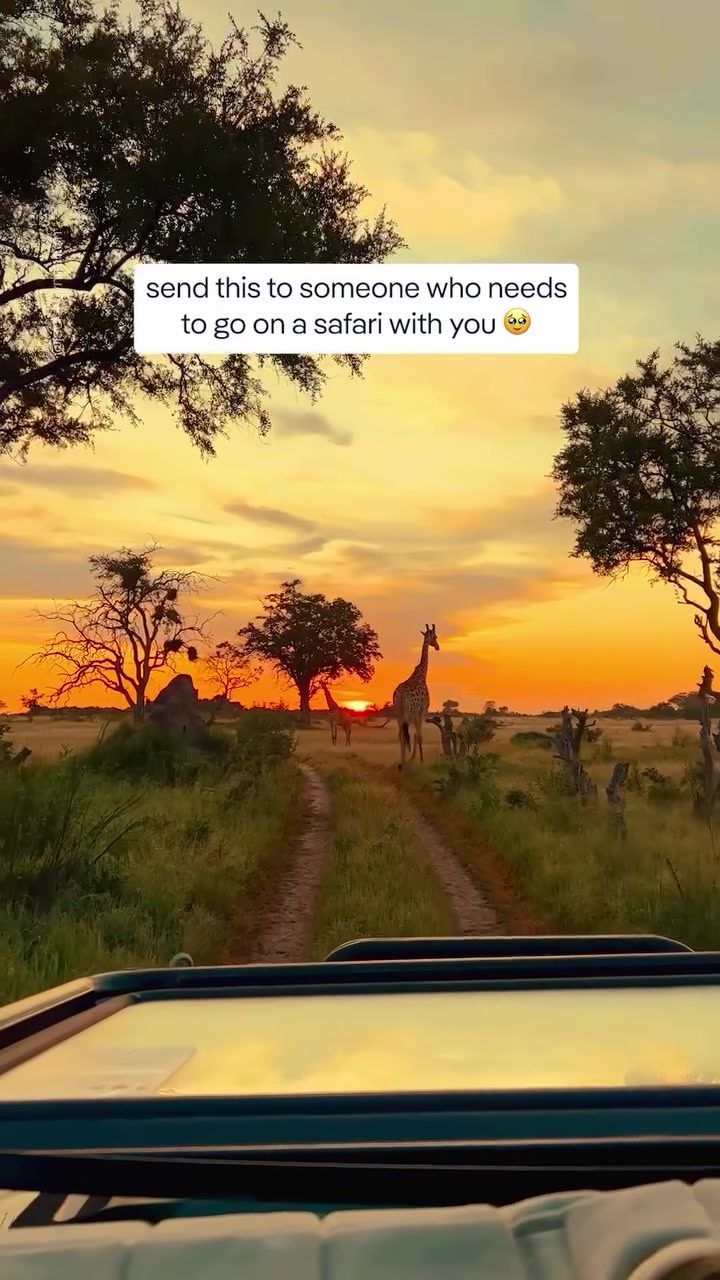
Safari Wildlife
A once-in-a-lifetime safari adventure awaits in some of Africa's most breathtaking destinations. Whether you're dreaming of gliding through tranquil waterways, witnessing the Great Migration, or experiencing the raw untamed wilderness, these three iconic locations should be at the top of your list.
Why this matters
A safari is more than just a vacation—it's an immersive experience that connects you with nature's raw beauty and Africa's rich wildlife. It's an opportunity to see majestic animals in their natural habitats, from the graceful giraffes to the powerful lions. Plus, it's a chance to disconnect from the daily grind and reconnect with the wonders of the natural world.
Main discussion
Okavango Delta, Botswana
The Okavango Delta in Botswana is a UNESCO World Heritage Site and one of the world's largest inland deltas. This unique ecosystem is formed by the Okavango River, which flows into the Kalahari Desert, creating a lush oasis teeming with diverse wildlife.
Gliding through the waterways
One of the most exciting ways to explore the Okavango Delta is by taking a mokoro canoe tour. A mokoro is a traditional dugout canoe, and gliding through the maze of waterways in one provides a serene and intimate way to observe the local wildlife. As you paddle along, you might spot elephants drinking from the water's edge, hippos lazily floating by, and a myriad of bird species flitting overhead. This tranquil method of travel allows you to get up close to the wildlife without disturbing them, making for an unforgettable experience.
Wildlife highlights
The Okavango Delta is home to a vast array of wildlife, including the Big Five: lions, leopards, elephants, rhinoceroses, and buffaloes. In addition to these iconic species, you'll also find cheetahs, giraffes, zebras, and hundreds of bird species. The delta's diverse habitats, which include floodplains, woodlands, and wetlands, support a rich variety of plant and animal life.
Best time to visit
The best time to visit the Okavango Delta is during the dry season, from April to October. During this period, the water levels are lower, making it easier to spot wildlife concentrated around the remaining water sources. However, if you prefer to experience the delta in its lush, watery splendor, consider visiting between December and March, when the rains have filled the channels and the landscapes are lush and green.
Maasai Mara, Kenya
The Maasai Mara National Reserve in Kenya is one of the world's most famous safari destinations. Known for its vast golden savannahs and abundant wildlife, the Maasai Mara offers up-close encounters with some of Africa's most iconic animals.
The Great Migration
One of the most spectacular natural events on Earth, the Great Migration, occurs annually in the Maasai Mara. This incredible phenomenon sees millions of wildebeest, zebras, and gazelles journey from the Serengeti in Tanzania to the Maasai Mara in search of greener pastures. The crossing of the Mara River by these herds is a heart-pounding spectacle, filled with drama and excitement as predators lurk in the waters and on the banks.
Predator watching
The Maasai Mara is teeming with big cats, making it a prime destination for predator watching. Lions, cheetahs, and leopards roam freely, often spotted lounging in the sun or stalking their next meal. Witnessing these powerful predators in action is an exhilarating experience that showcases the natural order of the African savannah.
Best time to visit
The best time to visit the Maasai Mara is during the Great Migration, which typically occurs between July and October. During this period, you'll have the opportunity to witness the dramatic river crossings and the vast herds of wildlife moving across the plains. However, if you prefer a more tranquil experience, consider visiting during the wet season, from November to June, when the landscape is lush and green, and the wildlife is more dispersed.
Serengeti, Tanzania
The Serengeti National Park in Tanzania is a vast, untamed wilderness teeming with wildlife. This iconic reserve is home to the Great Migration's beginning, offering a unique perspective on this natural phenomenon. The Serengeti's vast landscapes, from open grasslands to dense woodlands, support an incredible diversity of plant and animal life.
The start of the Great Migration
The Serengeti is where the Great Migration begins. Between November and March, herds of wildebeest, zebras, and gazelles migrate from the Serengeti to the Maasai Mara in search of fresh grazing. Witnessing the start of this journey, as the herds gather and prepare to embark on their epic trek, is a breathtaking experience.
Dancing with lions
The Serengeti is renowned for its lion prides, which roam freely and are often spotted lounging in the sun or hunting in the grasslands. The park is home to some of the world's most iconic lion populations, including the famous Mara and Ngorongoro lion prides.
Best time to visit
The best time to visit the Serengeti depends on what you hope to experience. For the Great Migration, visit between December and March when the herds are in the Serengeti. If you're more interested in predator watching, consider visiting between June and October, when the herbivores are concentrated in the Mara, and the predators follow. However, if you're looking for a more tranquil experience, visit between April and May, when the rains have stopped, and the landscape is lush and green, but the crowds are smaller.
Practical tips
Planning a safari adventure requires careful consideration and preparation. Here are some practical tips to help ensure a smooth and enjoyable experience.
Choose the right time
The best time to go on a safari depends on what you hope to see and experience. Researching the migration patterns and peak seasons for specific wildlife will help you determine the optimal time to visit.
Select the best accommodations
Accommodations in safari destinations can vary greatly, from luxury lodges to rustic camps. Choosing the right accommodation depends on your budget, preferences, and the level of comfort you desire. Ensure that the accommodation you select aligns with your budgetary requirements and provides access to the areas you wish to explore.
Prepare for the climate
Africa's climate can be unpredictable, with temperatures ranging from hot and dry to cool and wet. Pack appropriate clothing, including layers, comfortable walking shoes, and a hat, to protect yourself from the sun. Additionally, bring insect repellent and sunscreen to shield yourself from insects and harmful rays.
Hire an experienced guide
An experienced guide can enhance your safari experience by providing expert knowledge about the wildlife and the environment. They can also help you spot animals and offer insights into the natural world. Make sure to choose a reputable guide with a solid track record and positive reviews.
Be patient and observant
Wildlife sightings can be unpredictable, and patience is key. Keep a keen eye out for movement and listen for sounds in the environment. Binoculars and a good camera can help you capture the moments and ensure you get the best possible experience.
Important takeaways
Embarking on a safari adventure is an unforgettable experience that offers a unique opportunity to connect with nature. Whether you choose the Okavango Delta for its tranquil waterways, the Maasai Mara for the Great Migration, or the Serengeti for its vast landscapes, each destination has its own unique charm and wildlife.
Conclusion
A safari adventure in Africa is a once-in-a-lifetime experience that promises unforgettable memories and a deep appreciation for the natural world. From the tranquil waterways of the Okavango Delta to the dramatic river crossings of the Maasai Mara and the vast landscapes of the Serengeti, each destination offers a unique and immersive experience. By planning carefully, choosing the right time, selecting appropriate accommodations, and hiring an experienced guide, you can ensure a smooth and enjoyable safari adventure.
Watch the Reel
Questions readers ask
What makes the Okavango Delta in Botswana a unique safari destination?
The Okavango Delta is unique because it offers a variety of landscapes, including lush wetlands and floodplains, which support a vast array of wildlife. The delta's mokoro canoe tours allow visitors to glide silently through the waterways, providing close-up encounters with animals like elephant, buffalo, and numerous bird species. It is a prime location for seeing Africa’s rich wildlife up close.
When is the best time to witness the Great Migration in the Serengeti?
The Great Migration is a year-round event, but the most dramatic sightings occur during the wet season, from November to July. During these months, millions of wildebeest, zebra, and gazelles move across the Serengeti in search of greener pastures, offering spectacular scenes of river crossings and predator-prey interactions. It's a must-see for any safari enthusiast.
What are the top three iconic safari destinations in Africa?
The top three iconic safari destinations in Africa include the Okavango Delta in Botswana, the Serengeti in Tanzania, and the Kruger National Park in South Africa. Each destination offers unique wildlife encounters, stunning landscapes, and unforgettable experiences. These locations are renowned for their diverse ecosystems and the opportunity to see a wide range of Africa's iconic wildlife.
What is the best way to experience the wildlife in the Okavango Delta?
The best way to experience the wildlife in the Okavango Delta is through mokoro canoe tours. These tours allow visitors to navigate the tranquil waterways silently, providing an intimate and up-close encounter with wildlife. Additionally, guided walking safaris and traditional game drives offer different perspectives and opportunities to see a variety of animals in their natural habitats.
Why is a safari considered an immersive experience in Africa?
A safari is considered an immersive experience because it goes beyond a simple wildlife sighting. It offers an opportunity to witness Africa's wildlife in their natural habitats, from powerful lions to graceful giraffes, providing a deeper understanding of their behaviors and ecosystems. Additionally, a safari allows travelers to disconnect from their daily lives and immerse themselves in the raw beauty of nature.
What are some of the unique wildlife encounters available in the Serengeti?
The Serengeti is famous for its diverse wildlife encounters. Visitors can witness the Great Migration, where millions of herbivores move across the plains, attracting predators like lions and cheetahs. Additionally, the Serengeti is home to the Big Five—lion, leopard, rhinoceros, elephant, and Cape buffalo—offering thrilling sightings and unforgettable experiences.
What should I keep in mind when planning a safari adventure in Africa?
When planning a safari adventure, consider the specific wildlife experiences you want, such as witnessing the Great Migration or seeing the Big Five. Choose a destination that aligns with your interests. Research the best times to visit for optimal wildlife viewing, and consider the variety of activities available, such as game drives, walking safaris, and boat tours. It's also important to be prepared for the adventure by packing the right gear and understanding the local conditions.
Related deep dives
Similar reads based on topic and creator.



Recent articles
Fresh deep dives from the latest Reels we unpacked.




Comments
Be the first to comment.