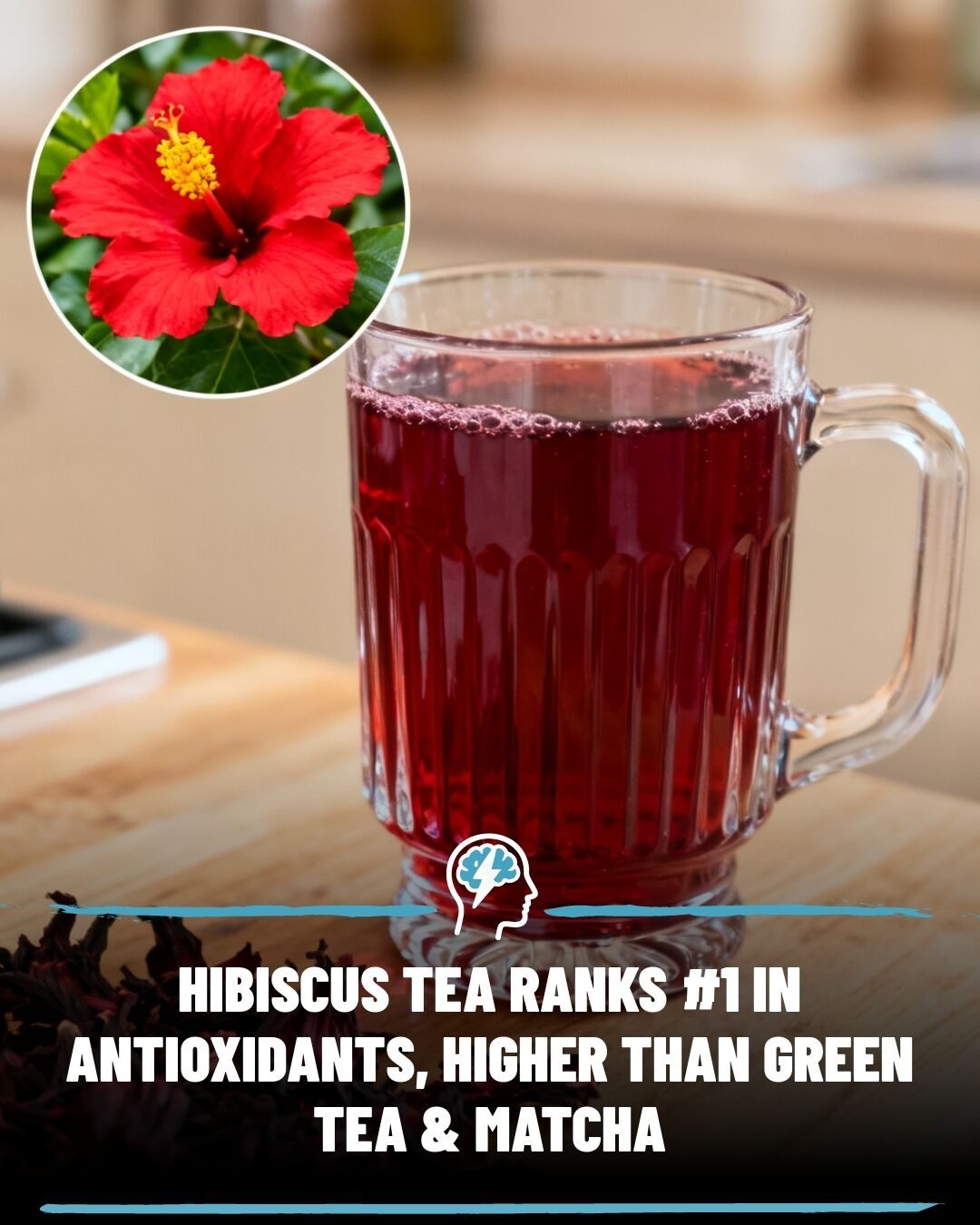
Hibiscus Tea Benefits
Hibiscus tea, derived from the vibrant red hibiscus flower, is a powerful beverage with a multitude of health benefits. Often celebrated for its antioxidant properties, hibiscus tea stands out for its ability to support heart health and manage cholesterol levels. This article explores the science behind these benefits, how they work, and practical tips for incorporating hibiscus tea into your daily routine.
Context / Why this matters
In a study involving 282 beverages, hibiscus tea ranked highest in antioxidant content. This makes it a standout choice for those looking to boost their intake of antioxidants, which are crucial for overall health and wellness. Antioxidants, which include anthocyanins and polyphenolic compounds, play a critical role in neutralizing free radicals and reducing oxidative stress. This cellular protection is particularly beneficial for managing inflammation and maintaining long-term cardiovascular function.
The Antioxidant Power of Hibiscus Tea
Hibiscus tea's high antioxidant content is one of its most notable features. Not only does it rank highest among 282 beverages tested, but it also outpaces other well-known antioxidant-rich beverages like green tea and matcha. The antioxidants in hibiscus, particularly anthocyanins, are the same compounds that give berries their deep color and provide protective properties.
Main discussion
Role of Antioxidants
Antioxidants are essential for maintaining overall health. They help neutralize free radicals, which are unstable molecules that can cause cellular damage. By reducing oxidative stress, antioxidants support the body's natural defenses against inflammation and chronic diseases. Hibiscus tea's high content of anthocyanins and polyphenolic compounds makes it a potent source of these beneficial antioxidants.
How Anthocyanins Work
Anthocyanins are a type of flavonoid that give plants their vibrant colors. In hibiscus tea, these compounds provide powerful antioxidant effects. They help to:
- Neutralize free radicals and reduce oxidative stress
- Support cardiovascular function and lower inflammation
- Improve blood pressure and cholesterol levels
Support for Heart Health
The research on hibiscus tea's impact on heart health is particularly compelling. A systematic review found that regular consumption of hibiscus tea was associated with a significant reduction in systolic blood pressure, averaging around 7 mmHg. This makes it a valuable addition to a heart-healthy lifestyle, especially for individuals looking to manage their blood pressure naturally.
Blood Pressure Management
One clinical study showed that hibiscus tea achieved a 76% effectiveness rate in reducing blood pressure to target levels, compared to 60% for a commonly prescribed medication. This suggests that hibiscus tea can be a useful tool for managing blood pressure, though it should not be used as a replacement for prescribed medications without medical consultation.
Cholesterol Management
Studies also link hibiscus tea to lower levels of LDL cholesterol, the type most associated with cardiovascular risk. By helping to manage cholesterol levels, hibiscus tea can contribute to overall heart health and reduce the risk of cardiovascular diseases.
Practical Tips
When incorporating hibiscus tea into your routine, it's important to do so gradually and mindfully. Here are some practical tips:
Start Slowly
Begin with one cup of hibiscus tea daily and observe how your body responds. This allows you to gauge your tolerance and adjust your intake accordingly. Some people may experience side effects, such as an upset stomach, especially if they consume large amounts at once.
Consult with a Healthcare Provider
If you are taking blood pressure medication, it's crucial to talk to your doctor before adding hibiscus tea to your routine. Hibiscus tea may enhance the effects of your medication, which could lead to unexpectedly low blood pressure.
Balance with Other Lifestyle Factors
Hibiscus tea is not a magic cure but a tool to support a heart-healthy lifestyle. It works best when combined with good sleep, regular physical activity, and balanced nutrition. By integrating hibiscus tea into a holistic approach to health, you can maximize its potential benefits.
Important takeaways
- Hibiscus tea ranks highest in antioxidant content among 282 beverages tested, outpacing even green tea and matcha.
- Regular consumption of hibiscus tea is linked to significant reductions in systolic blood pressure and lower LDL cholesterol levels.
- Anthocyanins and polyphenolic compounds in hibiscus tea neutralize free radicals, reducing oxidative stress and inflammation.
- Hibiscus tea can be a valuable addition to a heart-healthy lifestyle but should be used alongside good sleep, movement, and balanced nutrition.
Conclusion
Hibiscus tea offers a range of benefits, from its high antioxidant content to its positive impact on heart health. By incorporating hibiscus tea into your routine, you can support your body's natural defenses and contribute to overall wellness. Whether you're looking to manage blood pressure, lower cholesterol, or simply boost your antioxidant intake, hibiscus tea is a beneficial and flavorful choice.
Watch the Reel
Questions readers ask
What makes hibiscus tea beneficial for heart health?
Hibiscus tea helps manage cholesterol levels, reduce oxidative stress, and lower blood pressure, all of which contribute to improved heart health. Its high antioxidant content aids in preventing cellular damage and inflammation, further supporting cardiovascular wellness.
How does hibiscus tea compare to green tea in terms of antioxidants?
Hibiscus tea generally contains more antioxidants than green tea. In a study of 282 beverages, hibiscus tea ranked highest in antioxidant content, making it an excellent choice for those seeking to boost their antioxidant intake.
Can hibiscus tea help manage cholesterol levels?
Yes, hibiscus tea has been shown to help manage cholesterol levels by inhibiting the absorption of dietary cholesterol and promoting the excretion of bile acids, which can reduce the body's cholesterol levels.
What are the key antioxidants found in hibiscus tea?
Hibiscus tea is rich in anthocyanins and polyphenolic compounds, which are powerful antioxidants known for their ability to neutralize harmful free radicals in the body.
How can I incorporate hibiscus tea into my daily routine?
You can easily make hibiscus tea by steeping dried hibiscus flowers in hot water for 5-10 minutes. Enjoy it hot or chilled, and consider adding it to your morning or evening routine for a refreshing and healthy beverage.
Does hibiscus tea help with blood pressure management?
Yes, hibiscus tea has been found to help lower blood pressure by acting as a natural diuretic and promoting vasodilation, which helps to widen blood vessels and improve blood flow.
Is hibiscus tea a good option for reducing oxidative stress?
Absolutely, hibiscus tea's high content of antioxidants makes it an excellent choice for reducing oxidative stress. These antioxidants help neutralize free radicals, preventing cellular damage and supporting overall health.
Recent articles
Fresh deep dives from the latest Reels we unpacked.




Comments
Be the first to comment.