The Global Robot Workforce: Key Countries and Industries Leading the Charge
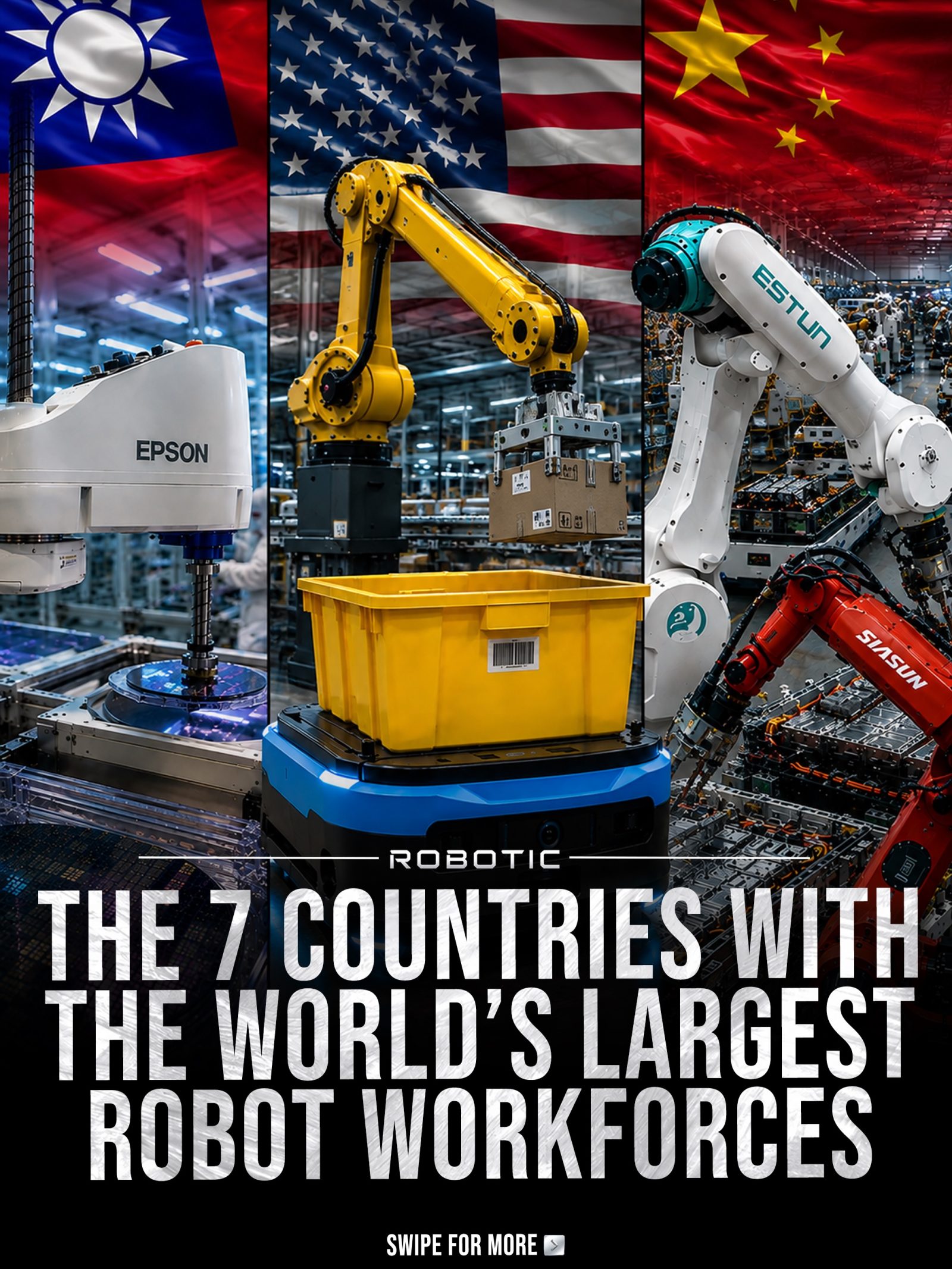
The global industrial robot workforce is dominated by a handful of manufacturing powerhouses, with China leading the pack. Robots are increasingly integral to modern production, from semiconductors and electronics in Taiwan and South Korea to automotive and precision manufacturing in Germany, Japan, and the United States.
Why This Matters
The rapid adoption of robotics in manufacturing is driven by the need to enhance production, precision, and efficiency. Countries are investing heavily in automation to stay competitive in major industries. Understanding where and how robots are being deployed provides insight into the future of manufacturing and the global economy.
The Leading Countries in Robot Workforce
China
China stands out as the global leader in industrial robotics, with over 2 million robots installed. This massive investment in automation reflects China's commitment to maintaining its status as the world's largest manufacturing power. The country's robot workforce is crucial for its dominance in various industries, including electronics, automotive, and precision manufacturing.
Germany and the United States
Germany and the United States are also significant players in the robotics landscape. Germany has 278,900 robots, while the United States has 393,700. Both countries are heavily invested in industries like automotive, logistics, and metalworking, where precision and efficiency are paramount.
Other Key Players
Taiwan, South Korea, Japan, and other countries are also making significant strides in robotics. These nations are leveraging automation to enhance their manufacturing capabilities, particularly in sectors like semiconductors, electronics, and precision manufacturing.
Industries Driving Robot Adoption
Automotive
The automotive industry has long been at the forefront of robotics adoption. Robotic arms are used extensively in assembly lines for tasks such as welding, painting, and material handling. This automation enhances precision and consistency, leading to higher quality vehicles.
Electronics
The electronics industry, particularly in countries like Taiwan and South Korea, relies heavily on robots for tasks such as circuit board assembly and component placement. Robots ensure high precision and speed, which are crucial for producing complex electronic devices.
Logistics and Warehousing
In logistics and warehousing, robots are used for tasks like inventory management, order picking, and palletizing. These robots improve efficiency and accuracy, reducing the time and labor required to manage large-scale operations.
Metalworking
In metalworking, robots are employed for tasks such as cutting, welding, and assembling metal components. The precision and strength of robotic arms make them ideal for handling heavy-duty tasks in this industry.
Other Industries
Beyond these sectors, robots are also making inroads into food processing, pharmaceuticals, and more. The versatility and adaptability of robotic technology make it a valuable asset across various industries.
Practical Tips for Investing in Robotics
Assess Your Needs
Before investing in robotics, it's crucial to assess your specific needs. Identify the tasks that could benefit most from automation and determine the type of robotic technology that would be most effective.
Choose the Right Technology
Selecting the right robotic technology is essential for successful implementation. Consider factors such as the complexity of the task, the required precision, and the overall cost. Consulting with industry experts can help in making an informed decision.
Training and Integration
Investing in robotics is not just about purchasing the technology; it also involves training your staff and integrating the robots into your existing systems. Ensuring a smooth transition and ongoing support can maximize the benefits of automation.
Safety and Maintenance
Safety is a critical consideration when implementing robotics. Ensure that your robots are equipped with safety features and that your staff is well-trained in handling them. Regular maintenance is also essential to keep the robots running efficiently and minimize downtime.
Scaling and Upgrading
As your business grows, you may need to scale your robotic capabilities. Plan for future upgrades and expansions to ensure that your robotic systems can adapt to changing needs and technologies.
Important Takeaways
- China Leads the Global Robot Workforce: With over 2 million robots installed, China is the world's largest user of industrial automation.
- Key Industries: Automotive, electronics, logistics, and metalworking are among the industries most heavily invested in robotics.
- Investment and Efficiency: Countries are investing heavily in automation to increase production, precision, and efficiency.
- Practical Considerations: Assessing needs, choosing the right technology, training, and maintenance are crucial for successful robotics implementation.
Conclusion
The global industrial robot workforce is rapidly reshaping modern manufacturing. With China leading the way and other countries like Germany and the United States following closely, robotics is becoming a core part of production. Understanding the key players and industries driving this shift provides valuable insights into the future of manufacturing and the global economy. As robotics continues to evolve, its impact on various sectors will only grow, offering new opportunities and challenges for businesses worldwide.
Watch the Reel
Questions readers ask
Which country is currently the global leader in the industrial robot workforce?
China is the global leader in the industrial robot workforce, with significant investments in automation across various industries. This dominance is driven by the need to increase production efficiency and stay competitive on the world stage.
What are the primary industries in Germany that utilize significant automation?
Germany's automation efforts are primarily focused on the automotive and precision manufacturing industries. These sectors benefit greatly from the precision and efficiency that industrial robots provide, allowing Germany to maintain its competitive edge in the global market.
How does the United States compare to other leading countries in robotics?
The United States is one of the leading countries in the global industrial robot workforce, alongside China and Germany. The U.S. focuses on various industries, including automotive and precision manufacturing, to enhance production and efficiency.
Which countries are notable for their use of robots in electronics and semiconductor production?
Taiwan and South Korea are particularly notable for their extensive use of robots in electronics and semiconductor production. These countries have integrated automation into their manufacturing processes to improve precision and output, making them key players in the global tech industry.
What are the main reasons countries are investing in robotics for manufacturing?
Countries are investing in robotics to enhance production, precision, and efficiency. Automation helps reduce human error, increase output, and maintain a competitive edge in global markets. This trend is particularly prominent in industries where precision and speed are crucial.
How does the adoption of robotics impact the global economy?
The rapid adoption of robotics in manufacturing has a significant impact on the global economy. It drives innovation, increases productivity, and reshapes industrial landscapes. This shift towards automation is crucial for countries looking to maintain their competitiveness and economic growth.
What role do industrial robots play in the automotive industry?
In the automotive industry, industrial robots are essential for tasks that require high precision and repeatability, such as welding, painting, and assembly. Automation in this sector increases efficiency, reduces costs, and ensures consistent quality, making it a key driver of competitiveness for countries like Germany and the United States.
Related deep dives
Similar reads based on topic and creator.



Recent articles
Fresh deep dives from the latest Reels we unpacked.




Comments
Be the first to comment.