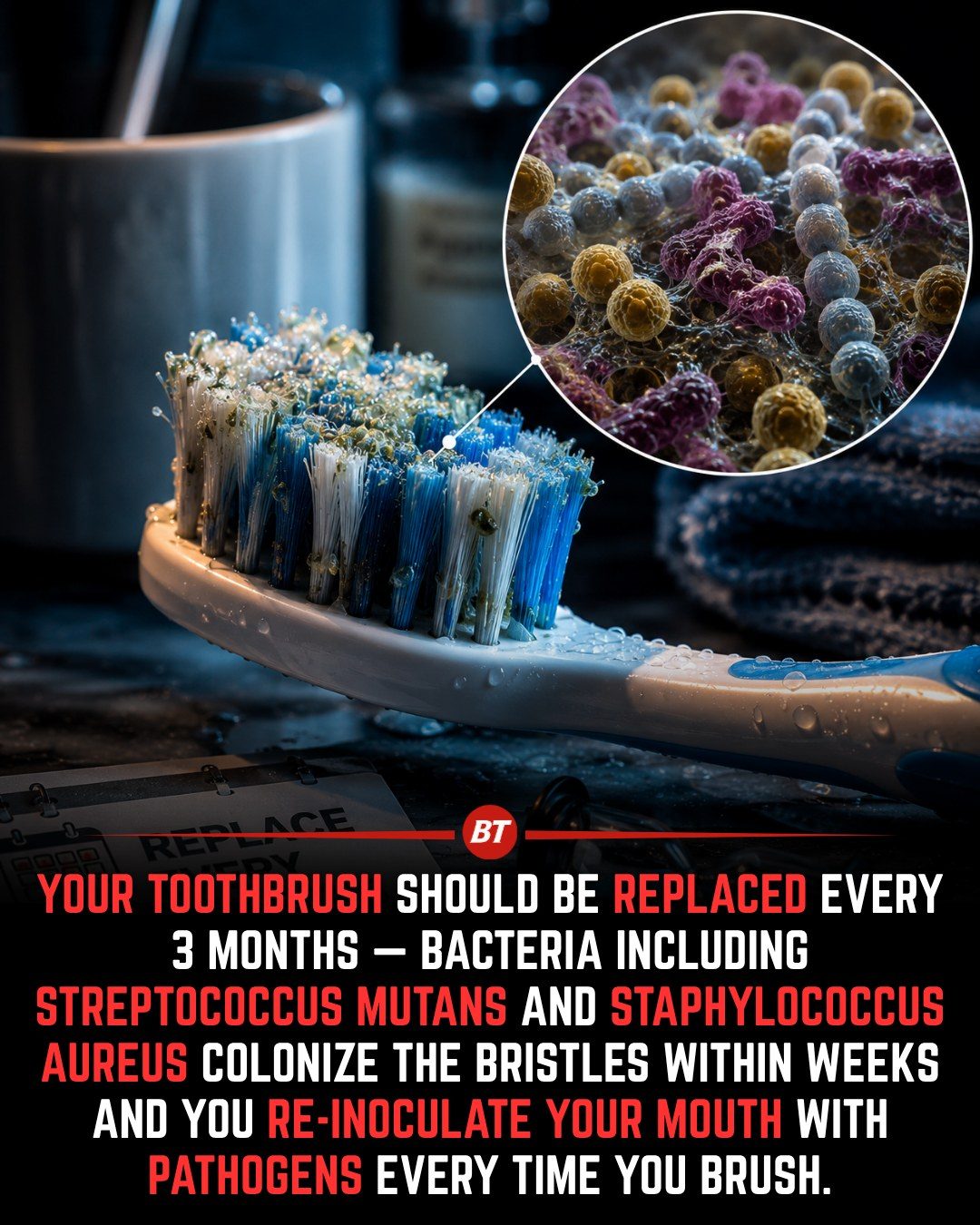
Toothbrush Bacteria
A toothbrush is an essential tool for maintaining good oral hygiene. However, it’s surprising how quickly a toothbrush can become a breeding ground for bacteria. Understanding the lifecycle of a toothbrush and the importance of regular replacement can significantly impact your oral health.
Why This Matters
Toothbrush hygiene is crucial because it directly affects your oral health. Bacteria such as Streptococcus mutans and Staphylococcus aureus can colonize the bristles of a toothbrush within weeks of use. These bacteria are commonly found in the mouth and can contribute to tooth decay and other oral health issues. Proper toothbrush care and timely replacement are essential to prevent the reintroduction of these pathogens into your mouth every time you brush.
Main Discussion
The Lifecycle of a Toothbrush
Toothbrushes start collecting bacteria from the moment they are used. The bristles can harbor microbes from your mouth, hands, and the surrounding environment. Within days, these bristles begin to collect bacteria, which can multiply rapidly. Common oral bacteria like Streptococcus mutans, which is a primary cause of tooth decay, and Staphylococcus aureus, which can cause various infections, are often found on used toothbrushes.
Bacteria and Toothbrush Storage
How you store your toothbrush plays a significant role in bacterial growth. Keeping your toothbrush upright and uncovered allows it to air-dry between uses, which helps reduce bacterial growth. It’s also important to store multiple toothbrushes so their heads do not touch, minimizing cross-contamination. Proper storage can help maintain the cleanliness of your toothbrush and extend its useful life.
The Importance of Replacement
Dentists recommend replacing your toothbrush every three to four months. This recommendation is based on the fact that worn bristles lose their ability to clean effectively along the gumline and between teeth. Additionally, research published in the International Journal of Dental Hygiene has shown that toothbrushes can accumulate microorganisms during regular use. Replacing your toothbrush regularly ensures that you are using a tool that can effectively remove plaque and prevent bacterial buildup.
When to Replace Your Toothbrush
There are several factors to consider when deciding whether to replace your toothbrush:
-
Time of Use: As a general rule, replace your toothbrush every three to four months. This time frame ensures that the bristles remain effective and clean.
-
Bristle Condition: If the bristles become frayed, bent, or otherwise damaged before the three-month mark, it’s time for a new toothbrush. Damaged bristles are less effective at removing plaque and can harbor more bacteria.
-
Illness: After recovering from illnesses like the flu or strep throat, it’s a good idea to replace your toothbrush. These illnesses can leave behind bacteria on the toothbrush, which can re-infect you if you continue to use it.
Practical Tips
Storing Your Toothbrush Properly
To minimize bacterial growth, follow these storage tips:
-
Keep it upright: Storing your toothbrush upright allows water to drain and prevents the buildup of moisture, which bacteria thrive on.
-
Air-dry: Ensure your toothbrush has enough space to air-dry between uses. Avoid covering it or storing it in a closed container, as this can trap moisture and promote bacterial growth.
-
Avoid cross-contamination: If you share a bathroom with others, keep your toothbrush separate from others to avoid cross-contamination. Store them in different areas or use a toothbrush cover.
Maintaining Oral Hygiene
In addition to replacing your toothbrush regularly, maintaining good oral hygiene habits can help keep your mouth healthy:
-
Brushing Technique: Use a soft-bristled toothbrush and brush gently in circular motions. This helps remove plaque without damaging your gums.
-
Flossing: Flossing daily helps remove food particles and plaque from between your teeth, where your toothbrush can’t reach.
-
Mouthwash: Using an antimicrobial mouthwash can help reduce bacteria in your mouth and freshen your breath.
-
Regular Dental Check-ups: Regular visits to your dentist can help identify and address any oral health issues early.
Important Takeaways
- Toothbrushes should be replaced every three to four months to maintain their effectiveness and reduce bacterial buildup.
- Proper storage, such as keeping the toothbrush upright and allowing it to air-dry, can help minimize bacterial growth.
- Common oral bacteria like Streptococcus mutans and Staphylococcus aureus can colonize toothbrush bristles within weeks of use.
- Replacing your toothbrush after an illness can help prevent reinfection.
- Maintaining good oral hygiene habits, including proper brushing, flossing, and using mouthwash, can support overall oral health.
Conclusion
Maintaining a clean toothbrush is a small but significant habit that can greatly impact your oral health. By understanding the lifecycle of a toothbrush and the importance of regular replacement, you can ensure that your toothbrush remains an effective tool for maintaining good oral hygiene. Proper storage and timely replacement can help keep your toothbrush clean and reduce the risk of reintroducing pathogens into your mouth. Making these practices a part of your routine can support overall oral health and well-being.
Watch the Reel
Questions readers ask
How often should I replace my toothbrush to maintain good oral health?
Dentists typically recommend replacing your toothbrush every 3 months. This is because bacteria, like Streptococcus mutans and Staphylococcus aureus, can accumulate on the bristles over time, potentially leading to tooth decay and other oral health issues. Replacing your toothbrush regularly helps minimize these risks.
What are the signs that my toothbrush needs replacing sooner than 3 months?
If the bristles on your toothbrush are frayed, worn, or spread out, it's time to replace it, even if you’ve had it for less than 3 months. Additionally, if you’ve been sick recently, it’s a good idea to replace your toothbrush to avoid reintroducing illness-causing bacteria back into your mouth.
How can I clean my toothbrush to reduce bacteria buildup between replacements?
To clean your toothbrush, rinse it thoroughly with tap water after each use to remove any remaining toothpaste and food particles. Allow it to air dry completely, as bacteria thrive in moist environments. You can also soak it in an antibacterial mouthwash for a few minutes once a week to help kill bacteria.
What types of bacteria are commonly found on used toothbrushes that can impact my oral health?
Common bacteria found on used toothbrushes include Streptococcus mutans, which is linked to tooth decay, and Staphylococcus aureus, which can cause various infections. These bacteria can colonize the bristles of a toothbrush within a few weeks of use, making regular replacement and proper care essential.
Is it safe to share a toothbrush with family members or partners, or do I need to replace it regularly?
Sharing a toothbrush is not recommended, as it can lead to the exchange of bacteria and potentially infectious diseases between individuals. Each person should have their own toothbrush, and it's crucial to replace them regularly to maintain good oral hygiene and minimize the risk of oral health issues.
Can a toothbrush holder help in reducing bacteria on my toothbrush?
Using a toothbrush holder can help keep your toothbrush clean and dry, reducing bacteria buildup. Choose a holder that allows for proper air circulation and isn't in a confined space. Also, avoid keeping your toothbrush in a closed or enclosed space like a drawer, where moisture and bacteria can thrive.
Related deep dives
Similar reads based on topic and creator.




Recent articles
Fresh deep dives from the latest Reels we unpacked.




Comments
Be the first to comment.