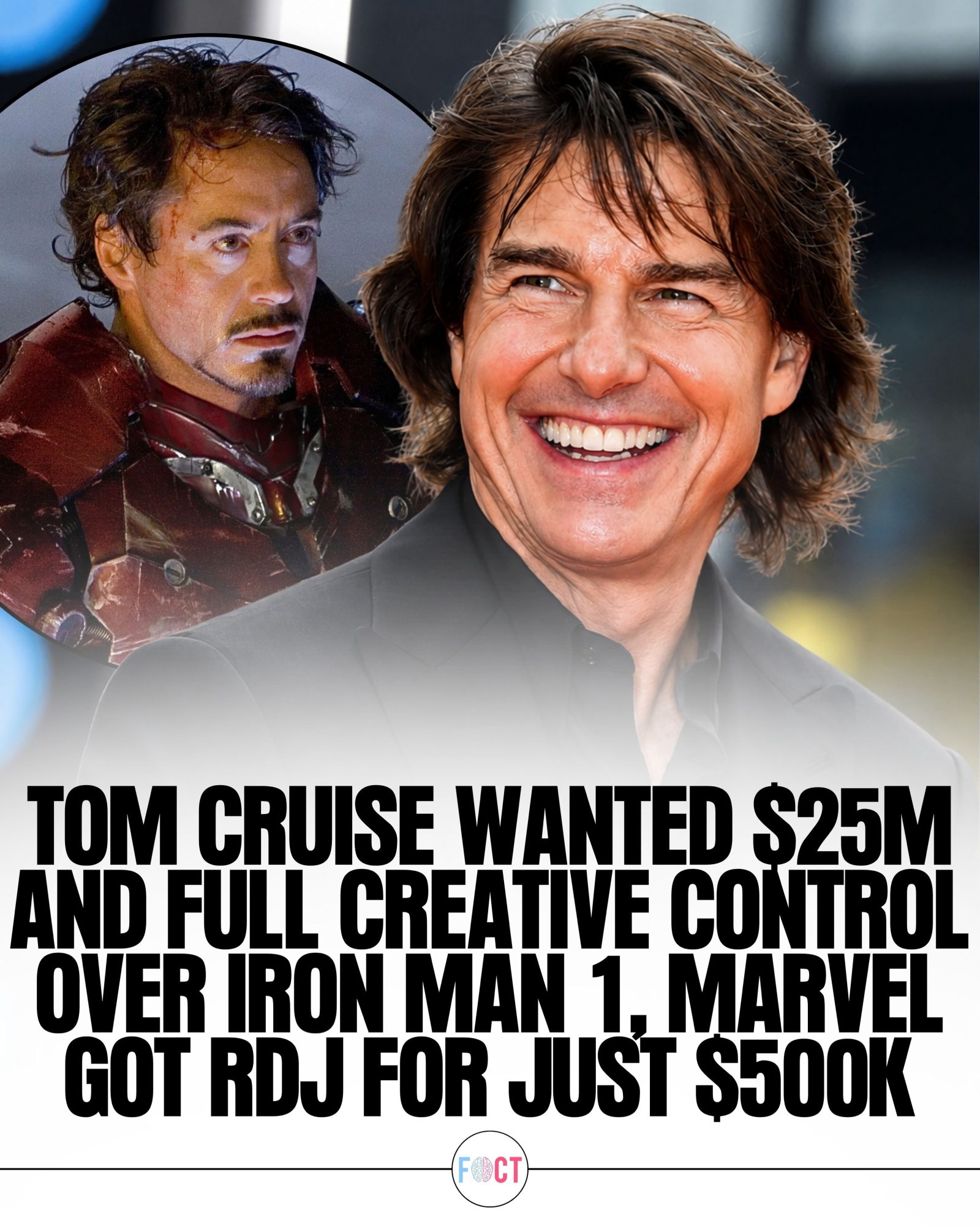
Negotiating roles and salaries in a film is a complex process that can significantly affect the direction and success of a production. Tom Cruise was once considered for the role of Iron Man before Robert Downey Jr., but negotiations fell apart because Cruise reportedly wanted around $20 million, which was a substantial amount for a risky new superhero film.
Context / Why this matters
Understanding the negotiations surrounding major Hollywood roles offers insight into the behind-the-scenes workings of the entertainment industry. When Tom Cruise was considered for the role of Iron Man, Marvel Studios was in a phase of significant growth, and the negotiations for major roles were crucial.
The Initial Offer
Cruise's demand for around $20 million was justified by his star power and the belief that his involvement could propel the film to success. However, Marvel Studios viewed the film as a risky venture. Superhero movies had not yet reached the heights of success they enjoy today, and Marvel was cautious about investing heavily in an unproven franchise. Additionally, Cruise wanted more creative control over the production, which was a non-negotiable for Marvel. They wanted to maintain full control of the franchise, ensuring that the creative vision matched their strategic plan for the Marvel Cinematic Universe (MCU).
Creative Control
Creative control is a significant factor in the negotiations for major film roles. It often involves the actor having a say in casting, script changes, and the overall direction of the film. Cruise's demand for creative control was not unusual for a star of his caliber, but Marvel Studios had to balance this with their own vision for the MCU.
The negotiations between Cruise and Marvel ultimately fell apart, as Cruise reportedly wanted $25 million and full creative control for Iron Man 1. Marvel had to settle for a more budget-friendly option.
The Rise of Robert Downey Jr.
Marvel ended up securing Robert Downey Jr. for around $500,000, a fraction of what Cruise was asking. This decision was influenced by several factors, including Marvel's risk aversion and the need to keep production costs under control. Downey Jr. was a talented actor, and although he was coming off a period of personal and professional struggles, Marvel saw potential in him.
Downey Jr.'s performance was pivotal in the success of the Iron Man franchise. His portrayal of Tony Stark as a brilliant, witty, and conflicted superhero struck a chord with audiences. The film's success not only justified Marvel’s decision but also solidified Downey Jr.'s place as a leading figure in the MCU.
The Impact of Salary Negotiations
Salary negotiations in the film industry can have far-reaching effects on both the actors involved and the studios. For actors, securing a higher salary can mean financial stability and influence over future projects. For studios, it can mean balancing budgets and ensuring the creative vision remains intact.
When Tom Cruise reportedly wanted around $20 million for Iron Man 1, his demand reflected both his star power and the potential risk involved in the film. Marvel Studios, however, had to be cautious. They were investing in a new franchise with an unproven track record, and the risk of a high salary for an uncertain return was too great.
Practical tips
For Actors
- Know Your Worth: Understand your market value and what you bring to the table. Stars like Cruise have a significant following and can justify higher salaries.
- Negotiate Creatively: Consider creative control or profit-sharing deals that can benefit both you and the studio.
- Be Flexible: Be open to discussions and willing to find a middle ground, especially if the film is a risky venture.
For Studios
- Assess Risk and Return: Evaluate the potential return on investment for a high-profile actor. Consider the film’s potential for success and the actor's influence.
- Maintain Creative Control: Ensure that the creative vision aligns with the studio's long-term goals, especially in the case of a franchise.
- Keep Costs Manageable: Balance the budget with the need for top talent. Sometimes, an unknown but talented actor can be a more cost-effective and equally successful choice.
Important takeaways
Salary negotiations in the film industry are multifaceted, involving not just financial terms but also creative control and long-term strategic planning. High-profile actors like Tom Cruise have the leverage to demand significant salaries and creative influence, but studios must balance these demands with their own financial constraints and creative vision.
When Marvel Studios decided to go with Robert Downey Jr. instead of Tom Cruise, they took a calculated risk that paid off handsomely. Downey Jr. not only brought his talent to the role but also became a cornerstone of the MCU. Marvel's decision showcases the importance of careful budgeting, strategic planning, and taking calculated risks.
Conclusion
While Tom Cruise was initially considered for the role of Iron Man, the negotiations fell apart over salary and creative control. Marvel’s decision to go with Robert Downey Jr. for a significantly lower salary was a pivotal moment for the studio. It underscores the complex nature of salary negotiations in the film industry and how strategic decisions can shape a franchise's future.
The story of Tom Cruise and Robert Downey Jr. in the context of salary negotiations for Iron Man is a testament to the intricate balance between talent, cost, and creative vision in the film industry. It highlights the importance of careful negotiations and strategic planning in achieving a successful outcome, whether it's for a high-profile actor or a budget-conscious studio.
Watch the Reel
Questions readers ask
Why was Tom Cruise considered for the role of Iron Man?
Tom Cruise was considered for the role of Iron Man due to his significant star power and box office draw. Marvel Studios likely saw him as a strong candidate to bring attention and potential success to the new superhero franchise.
How did Tom Cruise's salary demands impact the negotiations?
Tom Cruise's demand for around $20 million for the role of Iron Man was a major point of contention. This amount was seen as excessively high for a new superhero film, especially considering the financial risks involved in producing such a project.
What role did creative control play in the negotiations?
Tom Cruise's desire for creative control was another factor that complicated the negotiations. Marvel Studios likely wanted to maintain a significant level of control over the direction of the film and its franchise.
Why did Robert Downey Jr. ultimately get the role of Iron Man?
Robert Downey Jr. was eventually cast as Iron Man after negotiations with Tom Cruise fell apart. Downey Jr.'s salary was significantly lower at $500,000, making him a more financially feasible option for the studio, especially given the risks associated with a new superhero franchise.
What insights do these negotiations provide about Hollywood film deals?
These negotiations highlight the intricate and often complex nature of Hollywood film deals. They show how stars' demands for high salaries and creative control can shape the casting decisions and overall direction of major film projects.
How did Marvel Studios balance the financial risks of a new superhero film?
Marvel Studios balanced the financial risks by initially offering lower salaries to actors like Robert Downey Jr. This approach allowed them to invest more resources into production quality and marketing, ultimately contributing to the success of the Iron Man franchise.
Related deep dives
Similar reads based on topic and creator.


Recent articles
Fresh deep dives from the latest Reels we unpacked.




Comments
Be the first to comment.