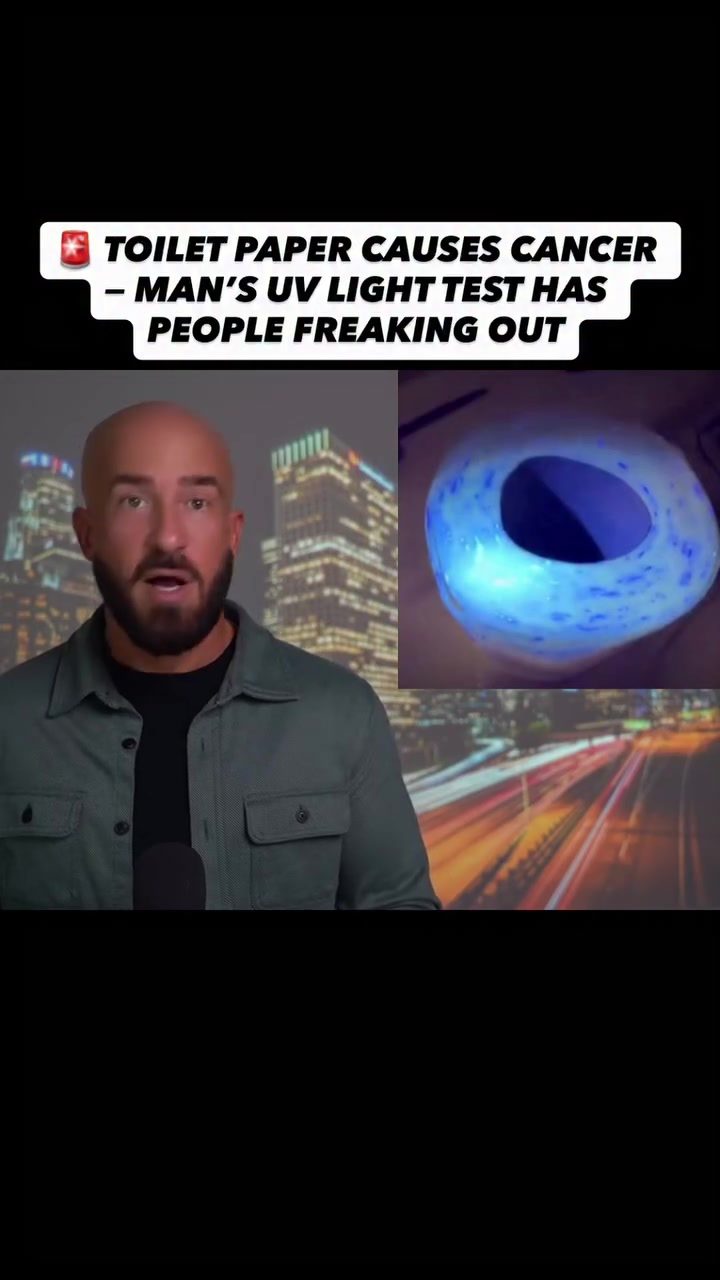
Toilet Paper and UV Light: What's the Deal with the Glow?
Toilet paper is an everyday household item that most people give little thought to. However, a recent experiment involving a UV light has sparked widespread concern and curiosity. A man conducted a UV light test on toilet paper and observed bright blue glowing spots, which led many to wonder about the potential health implications. This article delves into the details of the experiment, the reactions it sparked, and the broader context of chemical exposure in everyday products.
Context / Why This Matters
The incident highlights a growing interest in the potential health risks of common household items. As consumers become more aware of the chemicals present in everyday products, there is an increasing demand for transparency and safety. The reactions to the UV light test on toilet paper underscore the importance of understanding what we are exposing ourselves to, even in seemingly innocuous items.
Main Discussion
The UV Light Test
A man decided to use a UV light to examine ordinary toilet paper. His findings revealed bright blue glowing spots that appeared to mimic the glow of radioactive material. This unexpected discovery raised eyebrows and sparked immediate reactions on social media. He tore off a piece of the toilet paper, got it wet, and observed that the blue substance came off onto his hands, further fueling concern.
The Role of UV Light in Detecting Chemicals
UV lights are often used to detect the presence of certain chemicals. Fluorescent chemicals glow under UV light, and this property is commonly used in forensic science and quality control. However, the application of UV lights to household items like toilet paper is less common and often misunderstood. The blue glow observed in the experiment could indicate the presence of fluorescent whitening agents, which are frequently used in paper products to enhance brightness.
The Glowing Substance
The man's observation that the blue substance came off onto his hands when the toilet paper was wet raises questions about the nature of the chemical and its potential health risks. While some people immediately jumped to the conclusion that the glowing substance was a sign of cancer-causing chemicals, it is important to note that this is an unsubstantiated claim. The exact composition and potential health risks of the glowing substance would need to be determined through rigorous scientific testing.
Public Reaction and Speculation
The video sparked significant public interest and concern, with viewers eagerly asking the man to test other brands of toilet paper. The results of these tests varied, with some brands lighting up like a Christmas tree while others barely glowed. This variability has led to speculation about the differences in manufacturing processes and the chemicals used by different brands.
Practical Tips
Choosing Safe and Efficient Toilet Paper
- Look for Eco-Friendly Brands: Opt for brands that prioritize eco-friendly materials and transparent labeling. These brands are more likely to use fewer harmful chemicals and provide clear information about their products.
- Check for Certifications: Look for certifications from reputable organizations, such as the Forest Stewardship Council (FSC) or the Rainforest Alliance, which indicate a product's environmental and social responsibility.
- Avoid Excessive Perfumes and Dyes: Choose plain, unscented toilet paper with minimal dyes to reduce exposure to potentially harmful chemicals.
- Consider Single-Ply Options: Single-ply toilet paper generally contains fewer chemicals and is more biodegradable, making it a safer and more environmentally friendly choice.
Important Takeaways
The UV light experiment on toilet paper has underscored the importance of being informed about the products we use daily. The blue glow observed in the experiment could be due to fluorescent whitening agents, which are commonly used in paper products. However, the exact composition and potential health risks of the glowing substance are unknown and require further investigation. This incident serves as a reminder to prioritize safety and transparency in our consumer choices and to be cautious about making assumptions based on limited information.
Conclusion
The UV light test on toilet paper has sparked widespread curiosity and concern. While the blue glow observed in the experiment is likely due to fluorescent whitening agents, the exact nature and potential health risks of the substance remain unclear. This incident highlights the importance of being informed about the products we use and the need for transparency in the manufacturing process. As consumers, it is our responsibility to make safe and informed choices to protect our health and the environment.
Watch the Reel
Questions readers ask
Why does toilet paper glow blue under UV light?
Toilet paper may contain residual fluorescent whitening agents or optical brighteners that absorb UV light and re-emit it as visible blue light, causing the glow. These chemicals are often used to enhance the appearance of white paper products, making them appear brighter and whiter.
Is the blue glow from toilet paper under UV light harmful?
The blue glow itself is not harmful, and the chemicals responsible for it are generally considered safe for typical use. However, prolonged exposure to UV light or the chemicals in large amounts could potentially pose health risks.
Are there any health risks associated with using toilet paper that glows under UV light?
Toilet paper is designed to be safe for daily use. The chemicals that cause the glow are present in small, safe amounts. However, individuals with sensitive skin or allergies may want to opt for hypoallergenic or unbleached varieties to minimize any potential irritation.
What other household items might glow under UV light?
Several household items may glow under UV light due to the presence of fluorescent agents or other chemicals. These include detergents, laundry products, and certain fabrics. This is usually a result of ingredients added to enhance brightness or cleanliness.
Should I be concerned about UV light exposure from household items?
While UV light from the sun or specialized lamps can have various effects, the light emitted by household items under UV lamps is typically minimal and not a significant cause for concern. However, it’s always a good idea to limit prolonged exposure to UV light to protect your skin and eyes.
What can I do if I want to avoid chemicals in toilet paper?
If you are concerned about potential exposure to chemicals, consider choosing unbleached or hypoallergenic toilet paper. These products are often free from optical brighteners and other additives that can cause a glow under UV light. They are explicitly designed to reduce the risk of skin irritation.
Can using toilet paper that glows under UV light cause cancer?
There is no evidence to suggest that the glow from toilet paper under UV light is linked to cancer. The chemicals responsible for the glow are generally recognized as safe for use in consumer products. However, as with any product, it's important to use them as intended and to follow safety guidelines.
Related deep dives
Similar reads based on topic and creator.

Recent articles
Fresh deep dives from the latest Reels we unpacked.




Comments
Be the first to comment.