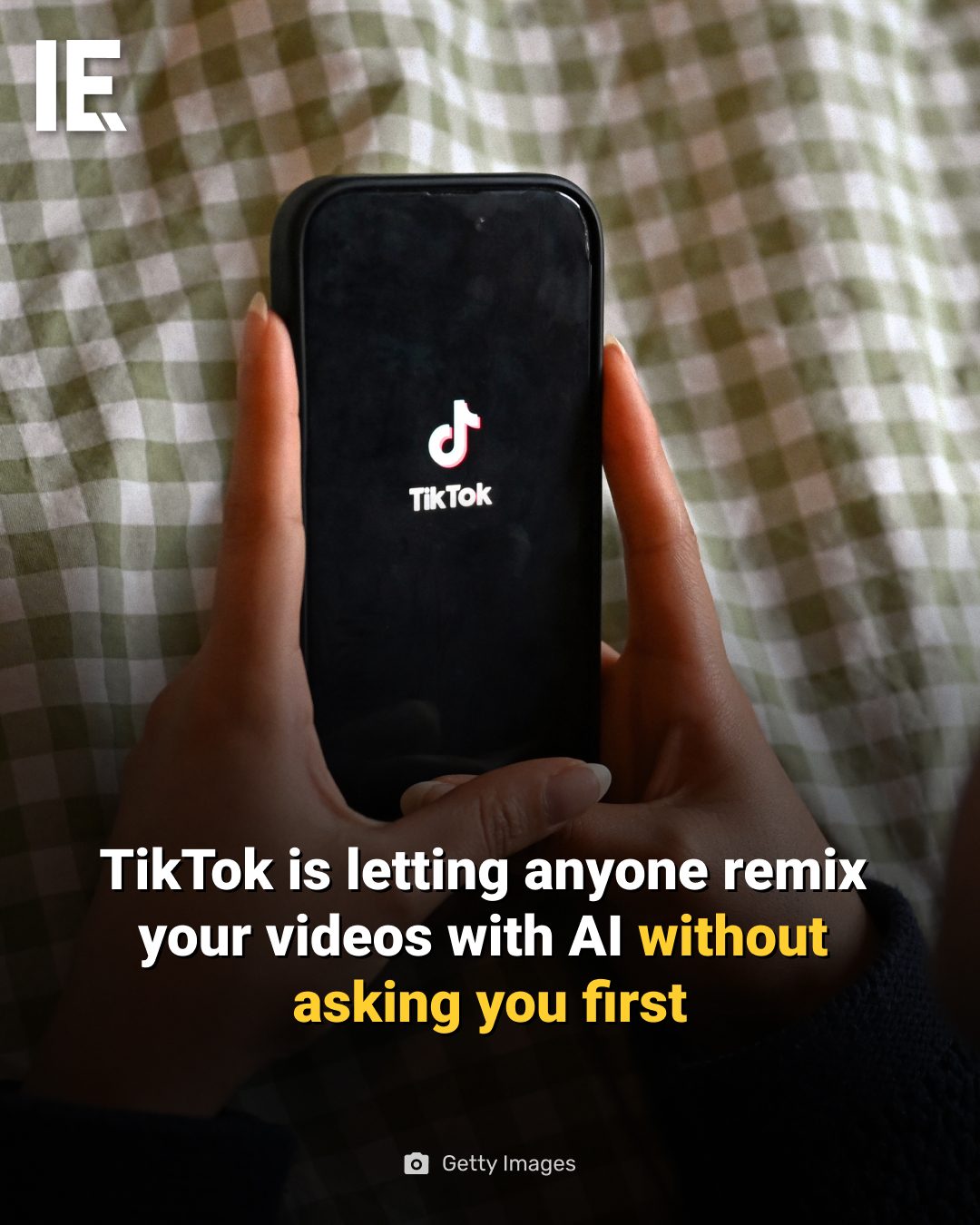
TikTok's New AI-Powered Meme Remixer: Changes and Concerns
TikTok is introducing a new AI-powered feature that allows users to remix videos, and it's sparked discussions among content creators. The new tool, currently in testing, enables any viewer to take a video and generate an AI image from it, which can alter the face, voice, or background based on a custom prompt. This feature raises several important points about content ownership, privacy, and the potential for misuse.
Context: Why this matters
The launch of TikTok's AI-powered meme remixer is part of a broader trend in social media platforms leveraging artificial intelligence to enhance user engagement. However, the specifics of this feature—particularly the lack of explicit user consent and the potential for deepfakes—make it a topic of significant interest and concern.
The new AI-powered meme remixer
How it works
The AI-powered meme remixer allows any viewer to take an existing video and use AI to create a remixed version. This can include changing the face, voice, or background based on a custom prompt. The feature is built to be user-friendly and accessible, but there are notable concerns about its implementation.
Default settings and opt-out options
One of the most controversial aspects of this feature is that it is enabled by default. There is no account-level opt-out, meaning creators must manually disable it for each individual video they post. This has led to frustration among content creators who feel this feature compromises their control over their own content.
TikTok has stated that the remixed content will not be used to train its AI models. However, there is no independent way to verify this claim, which adds to the skepticism surrounding the feature.
Privacy and consent
The absence of explicit consent from content creators is a significant point of contention. Creators are concerned that this feature could be exploited to produce deepfakes, a form of manipulated media that can be used maliciously. Deepfakes have been a growing concern in recent years, and content creators on TikTok fear that this feature could exacerbate the problem.
Concerns and criticisms
Deepfakes and content theft
There are genuine concerns that the new feature could make it easier to produce deepfakes. Deepfakes are already a significant issue, and the ability to remix videos without permission could exacerbate the problem. Content creators have pointed to existing patterns of content theft on the platform as evidence that policy alone isn't sufficient protection.
Policy inadequacies
Content creators have raised concerns that TikTok's policies are insufficient to protect against misuse of the AI-powered meme remixer. They point to the lack of an account-level opt-out and the potential for deepfakes as evidence that the current framework is not robust enough to safeguard content and privacy.
Creator control and rights
The lack of explicit user consent and the manual opt-out process have sparked discussions about creator control and rights. Content creators argue that they should have more say over how their videos are used, especially when it comes to AI-generated modifications.
Practical tips for content creators
Managing your content
If you're a content creator on TikTok, here are some practical steps you can take to manage your content in light of the new AI-powered meme remixer:
- Disable the feature manually: For each video you post, disable the AI-powered meme remixer to prevent others from remixing your content.
- Review privacy settings: Regularly review and update your privacy settings to ensure you have the highest level of control over your content.
- Monitor your content: Keep an eye on your videos to ensure they are not being misused. Report any misuse to TikTok immediately.
Understanding the risks
It's crucial to understand the potential risks associated with this new feature. Be aware of the possibility of deepfakes and content theft, and take steps to protect your work.
Engaging with the community
Engage with the TikTok community to stay informed about updates and changes to the platform. Share your concerns and experiences with other creators to build a collective voice for improved content protection.
Important takeaways
- Default settings: The AI-powered meme remixer is enabled by default, requiring manual opt-out for each video.
- No independent verification: TikTok's claim that remixed content won't be used to train AI models cannot be independently verified.
- Deepfake concerns: The feature raises significant concerns about the potential for deepfakes and content theft.
- Creator control: Content creators have limited control over how their videos are used, which has sparked discussions about creator rights and consent.
Conclusion
TikTok's new AI-powered meme remixer is a powerful feature that has sparked important discussions about content ownership, privacy, and the potential for misuse. While the feature offers new creative possibilities, it also raises significant concerns about deepfakes and content theft. As a content creator, it's essential to stay informed and take steps to protect your work. By understanding the risks and taking practical measures, you can navigate this new feature with greater confidence and control.
Watch the Reel
Questions readers ask
How does TikTok's new AI remix feature work?
TikTok's new AI remix feature allows users to generate altered videos by changing faces, voices, or backgrounds using custom prompts. The feature uses artificial intelligence to create these modifications, enabling viewers to transform existing videos into new content.
Why are there concerns about content ownership with the new feature?
The main concern is that TikTok's AI remix feature allows anyone to alter and create new content from someone else's video, which can lead to questions about who owns the original and the new content. This blurs the lines of originality and can potentially infringe upon the creator's rights.
What privacy issues does the AI remix feature raise?
The AI remix feature raises privacy concerns because it enables users to manipulate videos in ways that could be misleading or intrusive. For instance, the AI can generate deepfakes, which are realistic but fake videos that can potentially harm an individual's reputation if misused.
How do users opt out of having their videos remixed?
Currently, users have to manually opt-out of the AI remix feature for each video they post. This can be inconvenient, as it requires users to remember to change the settings every time they upload a new video; however, it allows users to maintain some control over their content.
What are the potential misuse scenarios with the AI remix feature?
Potential misuse scenarios include creating non-consensual deepfakes, defamatory content, or other forms of misinformation. These instances can cause harm to individuals and undermine trust in the platform.
How does TikTok's AI remix feature compare to other AI-powered tools on social media?
TikTok's AI remix feature stands out due to its ability to alter faces, voices and backgrounds, which is more extensive than other AI tools that might only allow for certain effects. The feature also raises unique concerns because of its potential to create convincing deepfakes, which can be more misleading than other forms of AI-generated content.
What changes can users expect in TikTok's default settings due to the new AI remix feature?
With the introduction of the AI remix feature, users can expect that the feature is enabled by default. This means that users must manually opt-out if they do not want their videos to be subject to the AI remix feature. Users should be prepared to adjust their settings accordingly to maintain control over their content.
Related deep dives
Similar reads based on topic and creator.


Recent articles
Fresh deep dives from the latest Reels we unpacked.




Comments
Be the first to comment.