Animal Color Perception
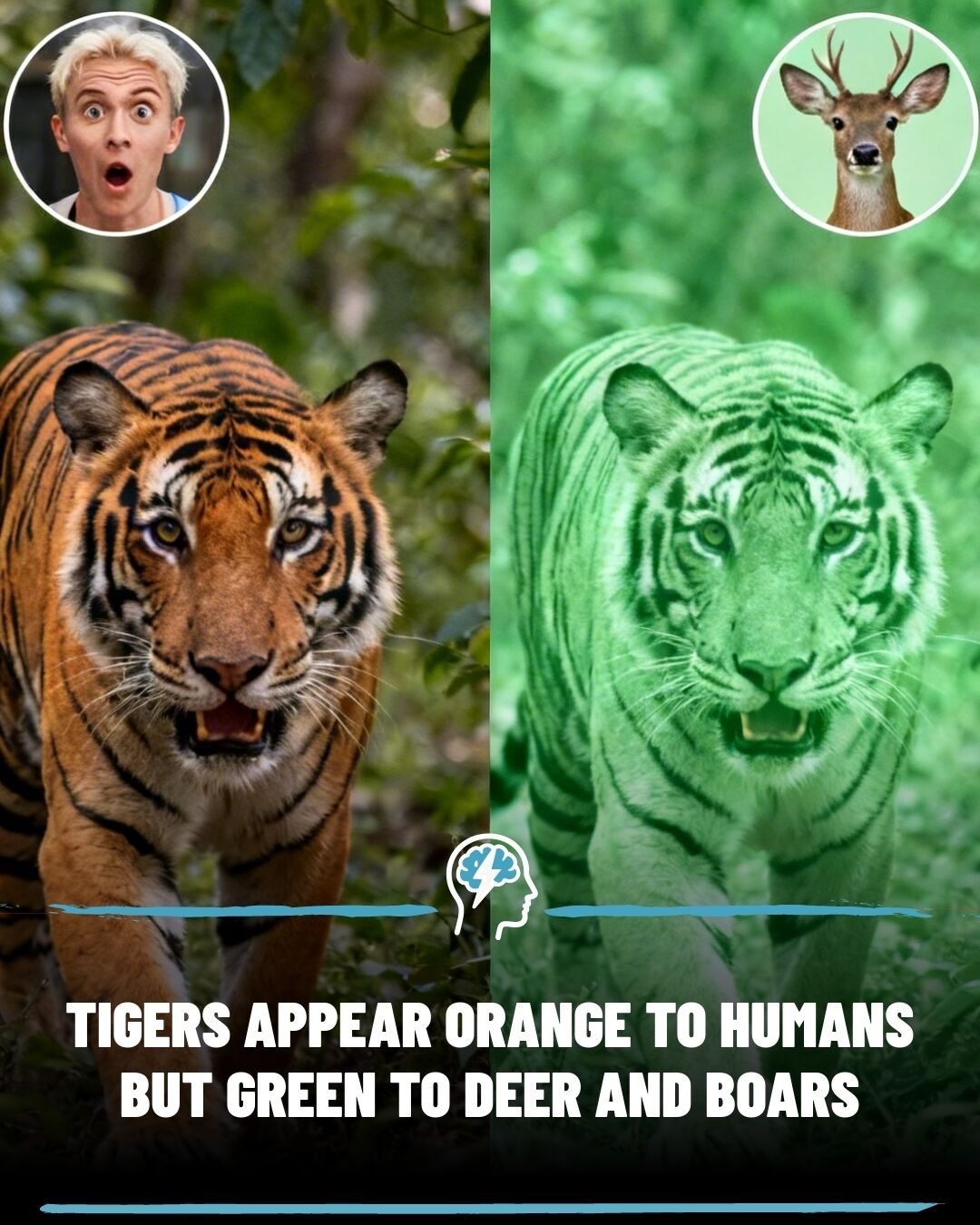
Prey animals like tigers have impressive camouflage strategies that allow them to sneak up on their prey. The vibrant orange coat of a tiger, for example, is not designed to blend in with the environment for humans but rather for its primary prey — deer and wild boars. This camouflage is effective because of significant differences in color perception between humans and these prey animals. Understanding this phenomenon sheds light on the intricate ways in which evolution has shaped the natural world.
Color Perception in Mammals
Humans possess trichromatic vision, which means we have three types of color receptors: red, green, and blue. This capability allows us to perceive a wide range of colors and shades. In contrast, many mammals, including deer and wild boars, have dichromatic vision. This means they have only two types of color receptors: blue and green. This difference in color perception has profound implications for how these animals interact with their environment and with each other.
Tiger Camouflage
To human eyes, a tiger's orange coat stands out against the green foliage of the forest. The vibrant orange fur seems like a bright warning sign, making it difficult to understand how a 500-pound predator could sneak up on its prey. However, when viewed through the eyes of deer and boars, the tiger's coat doesn't appear orange at all. Instead, it blends seamlessly into the forest environment, appearing as shades of green or muted brown tones.
This perceptual difference is due to the dichromatic vision of deer and boars, which limits their ability to distinguish between red and green hues. As a result, the tiger's orange fur, which is so conspicuous to humans, does not stand out to these prey animals. This allows tigers to blend into their surroundings effectively, making them highly successful predators despite their size and the visibility of their coat to humans.
Evolutionary Adaptations
The tiger's unique coloration is a prime example of evolutionary adaptation. Over millions of years, tigers have developed a coat that allows them to blend in with their forest surroundings. This adaptation is crucial for their survival, as it enables them to hunt more effectively. The fact that both predators and their prey share similar visual limitations ensures that the tiger's camouflage remains effective.
Researchers have created visual simulations to demonstrate how prey species perceive tigers compared to human vision. These simulations confirm that the tiger's coat appears as various shades of green or muted brown to deer and boars, allowing them to blend surprisingly well into their environment. This creates a fascinating evolutionary trap, where the prey animals cannot evolve better color detection to spot tigers more easily, as they are limited by the same visual constraints.
Visual Perception in Different Species
The way different species perceive color highlights the fact that human perception is not the universal standard. What seems glaringly obvious to us may be completely invisible to other species. This is a powerful reminder of the diversity of sensory experiences in the natural world. Understanding these differences can provide valuable insights into the behaviors and adaptations of various animals.
Practical Tips
Evolutionary traits like the tiger's camouflage are often studied by researchers to understand how animals have adapted to their environments. For those interested in studying animal behavior or conservation, recognizing the differences in color perception among species is crucial. For those interested in the natural world, this understanding can also enhance appreciation for the intricate ways in which nature functions. By comprehending these details, we can develop a deeper respect for the complexities of animal behavior and the natural world.
Important Takeaways
The tiger's vibrant orange coat is a fascinating example of how evolution has adapted animals to their environments. The key takeaway is that what we see as vibrant and conspicuous in nature may not be perceived the same way by other species. This understanding can help us appreciate the diversity of sensory experiences in the natural world and the importance of studying animal behavior and perception.
Conclusion
The tiger's orange coat is a remarkable example of how evolution has equipped animals with unique adaptations to thrive in their environments. By understanding the differences in color perception between humans and prey animals like deer and boars, we can better appreciate the intricacies of the natural world. This knowledge not only enhances our understanding of animal behavior but also serves as a reminder that human perception is just one of many ways to experience the world.
Watch the Reel
Questions readers ask
Why do tigers have an orange coat if it doesn't help them hide from humans?
Tigers' orange coats are adapted for camouflage not against humans, but against their primary prey. This includes animals like deer and wild boars that have dichromatic vision, seeing the tiger's fur as shades of green or brown, which helps the tiger sneak up on them.
What is dichromatic vision and how does it affect how prey see tigers?
Dichromatic vision is a type of color vision that has only two types of color receptors, compared to the human trichromatic vision which has three. This means that animals with dichromatic vision, like deer and wild boars, see colors differently than humans. For these animals, a tiger’s orange fur appears more as shades of green or brown, helping the tiger blend into its surroundings.
How does a tiger's hunting strategy benefit from its camouflage?
A tiger's hunting strategy relies heavily on its ability to approach prey undetected. The tiger's orange fur, which blends seamlessly with the forest foliage for its prey, allows the tiger to get closer without being noticed, increasing the chances of a successful hunt.
Do all big cats have the same camouflage strategy as tigers?
No, while many big cats have camouflage strategies, the specifics can vary. Tigers, for example, rely on their orange fur to blend in with the forest environment for their prey. Other big cats, like leopards, have spotted coats that help them hide in different environments, such as tall grass or dense foliage.
How do tigers use their natural hunting techniques in different forest environments?
Tigers adapt their natural hunting techniques to different forest environments by utilizing their camouflage effectively. In denser forests, their orange fur helps them blend with the background, allowing them to stalk prey more effectively. In open areas, they might use different tactics, such as using tall grass or shadows to their advantage, but their natural camouflage remains a key factor in their hunting success.
What role does the tiger's striped pattern play in its camouflage?
The striped pattern on a tiger’s coat serves multiple purposes. It helps to break up the tiger's shape, making it harder for prey to distinguish the tiger from the background. This is particularly effective in environments with dappled light and shadows, such as dense forests, where the stripes can blend with the natural patterns of light and shadow.
Related deep dives
Similar reads based on topic and creator.




Recent articles
Fresh deep dives from the latest Reels we unpacked.




Comments
Be the first to comment.