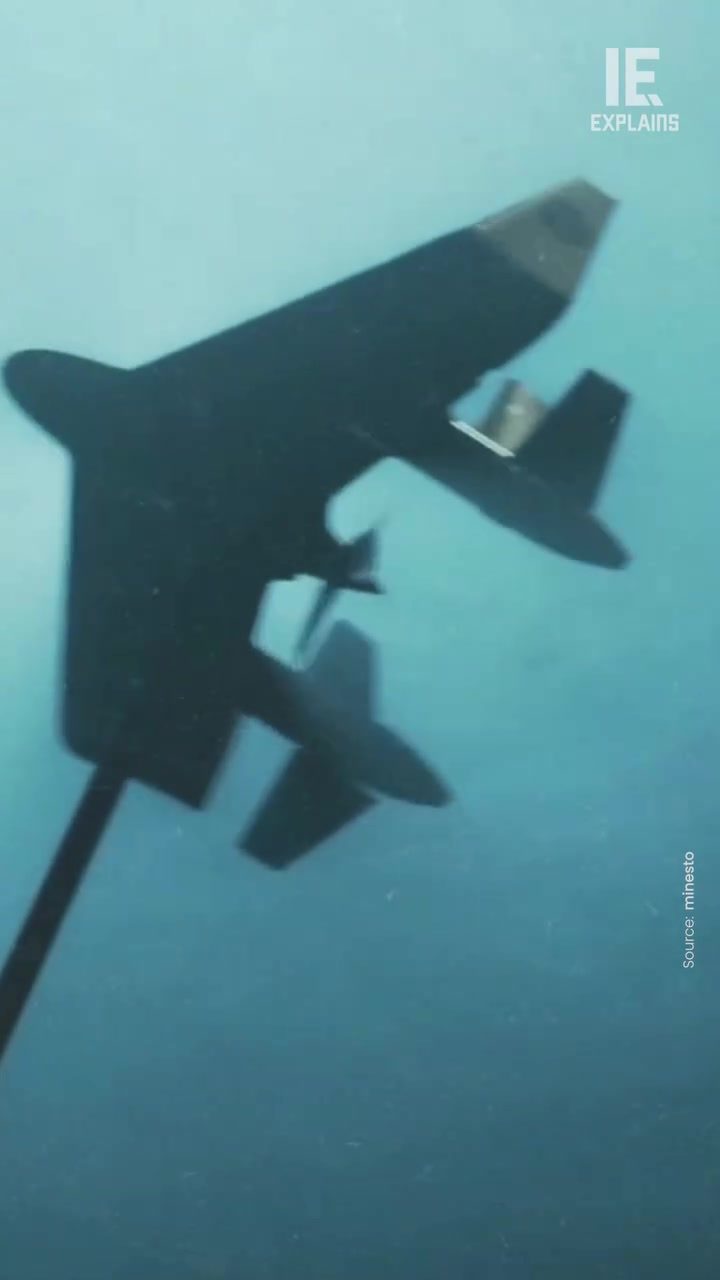
Tidal Kites and Underwater Energy Generation
Tidal energy, while abundant and predictable, is often overlooked in the realm of green energy solutions. This is partly because technologies like wind power seem more efficient. However, innovations like tidal kites are changing the landscape, offering ingenious solutions to extract more energy from tidal currents.
Context: Why Tidal Power Matters
Tidal power harnesses the energy from the natural rise and fall of ocean tides. As a renewable resource, it offers a consistent and predictable source of energy, unlike solar or wind power, which are dependent on weather conditions. Despite its potential, tidal power is underutilized. Innovations in tidal energy technology, however, are beginning to address the challenges and inefficiencies that have traditionally hindered its adoption.
Tidal Kites: Innovative Solutions
Minesto’s Dragon 12
One of the pioneering innovations in tidal energy is the Dragon 12, developed by Minesto. This device operates by flying a figure-eight trajectory underwater. The kite drags its turbine through the water at speeds several times faster than the current it's moving in, thanks to a cubic relationship. This means that a small increase in speed results in a significant increase in power generation.
Dragon 12's operation is a marvel of engineering. The kite, weighing approximately 28 tons, is autonomous and controlled by an onboard system that continuously adjusts its rudder and elevators to maintain a pre-programmed trajectory. The entire system is supervised from the shore through a scatter system and a human-machine interface, but it operates without manual joystick control. Electricity generated by the kite travels up a cable inside the tether, through a seabed umbilical, and then to shore.
The foundation of Dragon 12 is also meticulously engineered. Instead of a heavy gravity base, the team drilled and grouted a tubular foundation. This design provides a smaller footprint, making it quicker and quieter to install, and creating less carbon during installation. The tether meets the foundation through a latch that unlocks, allowing the kite to be surfaced, towed into the harbor for servicing, and then reconnected.
The trajectory of the kite is not fixed; it can be adjusted to sweep more water, increasing power performance by around 25%. This flexibility allows Dragon 12 to optimize its energy output under varying conditions.
Dragon 4
The Dragon 4 is another notable innovation by Minesto. While it shares the same principles as Dragon 12, it is scaled down for smaller tidal currents. This makes it suitable for a wider range of locations, including those with lower tidal velocities. The smaller size also makes it more adaptable to different environmental conditions and easier to deploy in various marine settings.
SeaQurrent’s Tidal Kite
SeaQurrent's TidalKite is another groundbreaking technology in the field of tidal energy. Like Minesto’s innovations, the TidalKite uses the power of water currents to generate electricity. The kite is designed to operate in high-speed water currents, maximizing the energy extracted from the flow.
The TidalKite’s design is optimized for efficiency and durability. It features a robust structure that can withstand the harsh conditions of the marine environment. The kite is equipped with advanced sensors and control systems that allow it to adjust its trajectory and depth in real-time, ensuring maximum energy capture.
MeyGen
MeyGen is a tidal stream project located in the Pentland Firth, Scotland. Unlike the kite-based systems, MeyGen uses underwater turbines that are anchored to the seabed. The turbines are designed to harness the strong tidal currents in the area, providing a reliable source of energy.
MeyGen’s turbines are known for their efficiency and low environmental impact. The turbines are designed to operate at depths where they do not interfere with marine life or shipping lanes. The project has been successful in demonstrating the potential of tidal energy as a viable and sustainable energy source.
Practical Tips for Tidal Energy Projects
Implementing tidal energy projects requires careful planning and consideration of several factors:
-
Site Selection: Choose a location with strong and consistent tidal currents. The location should also be accessible for maintenance and installation.
-
Environmental Impact: Assess the environmental impact of the project, including potential effects on marine life and local ecosystems.
-
Technological Integration: Ensure that the technology used is robust and efficient. This includes the kite design, control systems, and power transmission infrastructure.
-
Maintenance and Servicing: Develop a maintenance plan to ensure the longevity and efficiency of the tidal energy system. This includes regular inspections, repairs, and upgrades.
-
Regulatory Compliance: Comply with all relevant regulations and obtain the necessary permits for the project. This includes environmental impact assessments and safety certifications.
Important Takeaways
The advancements in tidal energy technology, particularly with innovations like Minesto’s Dragon 12 and 4, SeaQurrent’s TidalKite, and MeyGen, highlight the potential of tidal power as a sustainable and reliable energy source. These technologies offer efficient and innovative solutions to harness the power of tidal currents, overcoming traditional limitations and inefficiencies.
Conclusion
Tidal energy is a promising and underutilized resource in the realm of green energy. Innovations in tidal kites and other technologies are paving the way for more efficient and sustainable energy generation. As these technologies continue to evolve, they offer a glimpse into a future where tidal power can play a significant role in meeting global energy demands.
Watch the Reel
Questions readers ask
How do tidal kites generate energy?
Tidal kites, such as the Dragon 12, generate energy by harnessing the power of tidal currents. They are designed to fly in figure-eight patterns underwater, maximizing their exposure to the moving water, which in turn drives their turbines to produce electricity.
What makes tidal kites a reliable source of energy?
Tidal kites offer a reliable source of energy because they leverage tidal currents, which are consistent and predictable. Unlike solar or wind power, tidal energy is not dependent on weather conditions, making it a steadfast green energy solution.
How does the Dragon 12 tidal kite improve energy output?
The Dragon 12 tidal kite improves energy output by flying in a figure-eight pattern, which significantly increases the time it spends moving through tidal currents. This design allows the kite to generate more electricity compared to traditional underwater energy devices.
Can tidal kites be used in different types of water bodies?
Tidal kites are primarily designed for use in tidal currents, which are typically found in ocean environments. While they are most effective in areas with strong tidal flows, their design and technology can be adapted for various underwater energy solutions in different marine settings.
What are the benefits of using tidal kites over traditional renewable energy sources?
Tidal kites offer several benefits over traditional renewable energy sources. They provide a consistent and predictable power output, are not dependent on weather conditions, and can generate more energy per unit area compared to solar and wind power in suitable locations.
Who developed the tidal kite technology?
The concept of tidal kites was developed by the Swedish company Minesto. They have pioneered this innovative technology to harness tidal current energy more effectively, offering a viable alternative to traditional tidal power devices.
Related deep dives
Similar reads based on topic and creator.


Recent articles
Fresh deep dives from the latest Reels we unpacked.




Comments
Be the first to comment.