The Brazilian Treehopper: A Tiny Insect with a Crown-like Structure
Why this matters
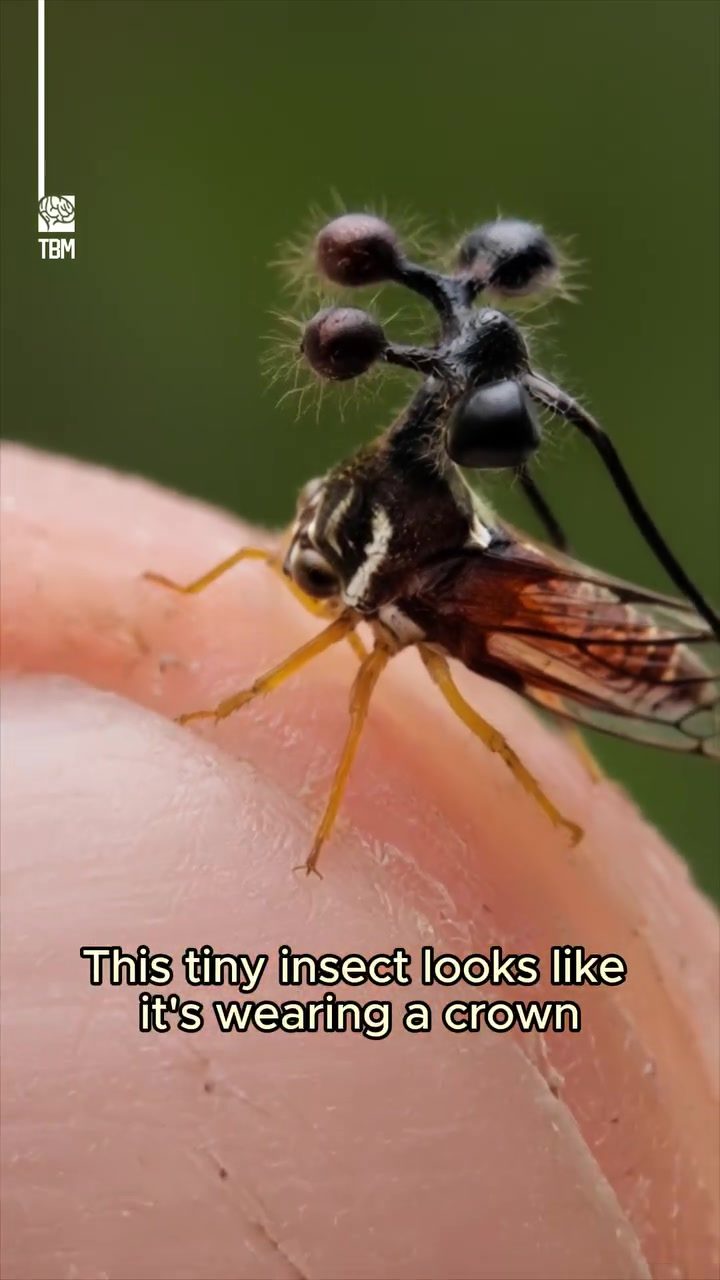
The Brazilian treehopper is a remarkable example of the extraordinary diversity and creativity found in the natural world. This small insect, native to the lush rainforests of Brazil, is known for its distinctive crown-like structure that makes it appear as though it is wearing a regal headdress. Unlike other insects, this bizarre ornament is not a part of its head but rather an extension of its thorax, known as the pronotum. But what is the purpose of this elaborate structure?
Understanding the Brazilian Treehopper
A Bizarre and Beautiful Ornament
The Brazilian treehopper's crown-like structure is an extension of its thorax, called a pronotum. This structure is uniquely designed and can vary in shape and size among different species of treehoppers. The intricate patterns and shapes of these ornaments are not just for show; they serve various purposes that help the insect survive in its natural environment.
Scientists have proposed several theories about the function of this extraordinary feature. One hypothesis suggests that it may help with camouflage, allowing the insect to blend in with its surroundings. Another theory posits that the structure could serve as a defense mechanism, making the insect appear larger and more intimidating to potential predators. The ornate design might also play a role in mating rituals, helping the males attract females.
Exploring the Possibilities: Camouflage, Defense, or Mating Rituals?
Treehoppers and Mimicry
The Brazilian treehopper is part of a larger group of insects known as treehoppers, which are famous for their ability to mimic various objects in their environment. Some species of treehoppers have evolved to resemble thorns, fungi, or even other insects. This mimicry is a clever adaptation that helps them avoid predators and other threats.
Mimicry is a common survival strategy among insects. By imitating the appearance of other objects or creatures, treehoppers can deflect the attention of predators and avoid becoming an easy meal. The crown-like structure of the Brazilian treehopper adds to this arsenal of defensive tactics, making it a fascinating subject of study for entomologists and nature enthusiasts alike.
Theories on the Pronotum's Purpose
The exact purpose of the pronotum is still a subject of scientific debate. Researchers have put forth several theories to explain why this structure evolved:
-
Camouflage: The intricate design of the pronotum may help the insect blend in with its surroundings, making it less visible to predators. This is particularly useful in dense foliage where the insect's natural camouflage would be enhanced by the crown-like structure.
-
Defense Mechanism: The ornate design might serve as a deterrent, making the insect appear larger and more intimidating. This visual deception could help scare off predators that might otherwise attack the small insect.
-
Mating Rituals: The pronotum could also play a role in attracting mates. The unique and elaborate structure might be an important trait that females look for in potential partners, ensuring the continuation of the species.
The Mystery of the Pronotum
Despite extensive research, scientists are still uncertain about the exact role of the pronotum. One theory suggests that it may serve multiple purposes, evolving over time to provide both defensive and reproductive advantages. The pronotum's versatility and adaptability make it a fascinating subject for further study, as researchers continue to unravel the mysteries of this peculiar insect.
Practical Tips for Observing Treehoppers
Where to Find Them
The Brazilian treehopper and other species of treehoppers are typically found in tropical and subtropical regions. They are often spotted in dense vegetation, particularly in rainforests and other lush, green environments. If you are interested in observing these fascinating creatures, consider visiting a botanical garden or a natural reserve where they are known to inhabit.
What to Look For
When searching for treehoppers, keep an eye out for their distinctive crown-like structures. These ornaments can vary widely in shape and size, so it's important to be patient and thorough in your search. Look for small, slow-moving insects on leaves and branches, and use a magnifying glass or a camera with a macro lens to get a closer look at their unique features.
Conservation and Preservation
As with any wild species, it's important to observe treehoppers in their natural habitat without disturbing them. Avoid handling them unless necessary, and always follow local guidelines for wildlife conservation. By preserving their natural habitats, we can ensure that these extraordinary creatures continue to thrive and inspire awe in future generations.
Important Takeaways
- The Brazilian treehopper is a small insect known for its distinctive crown-like structure, which is part of its thorax called the pronotum.
- This structure may serve multiple purposes, including camouflage, defense, and mating rituals.
- Treehoppers are famous for their ability to mimic various objects in their environment, helping them avoid predators and survive in their natural habitats.
- The exact purpose of the pronotum is still a subject of scientific debate, but it is believed to provide both defensive and reproductive advantages.
- Observing treehoppers in their natural habitat is a rewarding experience, and it's important to do so responsibly to ensure their conservation and preservation.
Conclusion
The Brazilian treehopper's crown-like structure is a testament to the incredible creativity and adaptability of nature. From camouflage to defense and mating rituals, this tiny insect showcases the diverse and innovative strategies that have evolved to ensure its survival. As we continue to explore the mysteries of the natural world, the Brazilian treehopper serves as a reminder of the endless wonders that await discovery.
Watch the Reel
Questions readers ask
What is the Brazilian treehopper's crown-like structure made of?
The crown-like structure, or pronotum, is an extension of the Brazilian treehopper's thorax, not its head. It is a unique feature of this small insect.
Does the crown-like structure serve a purpose for the Brazilian treehopper?
While the exact purpose is still being studied, the crown-like structure may serve multiple purposes such as camouflage, defense, or even play a role in mating rituals.
Are there other insects with similar structures?
The Brazilian treehopper's crown-like structure is quite unique. While other insects may have distinctive features, this particular ornament is not commonly found in other species.
What is the size of a Brazilian treehopper?
The Brazilian treehopper is a small insect, typical of many treehopper species. Its size contributes to its ability to camouflage and blend into its surroundings.
What role does the pronotum play in the Brazilian treehopper's life?
The pronotum, or crown-like structure, is believed to play a significant role in the Brazilian treehopper's life, potentially aiding in defense, camouflage, or attracting mates. Its exact function, however, remains a subject of ongoing research.
Related deep dives
Similar reads based on topic and creator.




Recent articles
Fresh deep dives from the latest Reels we unpacked.




Comments
Be the first to comment.