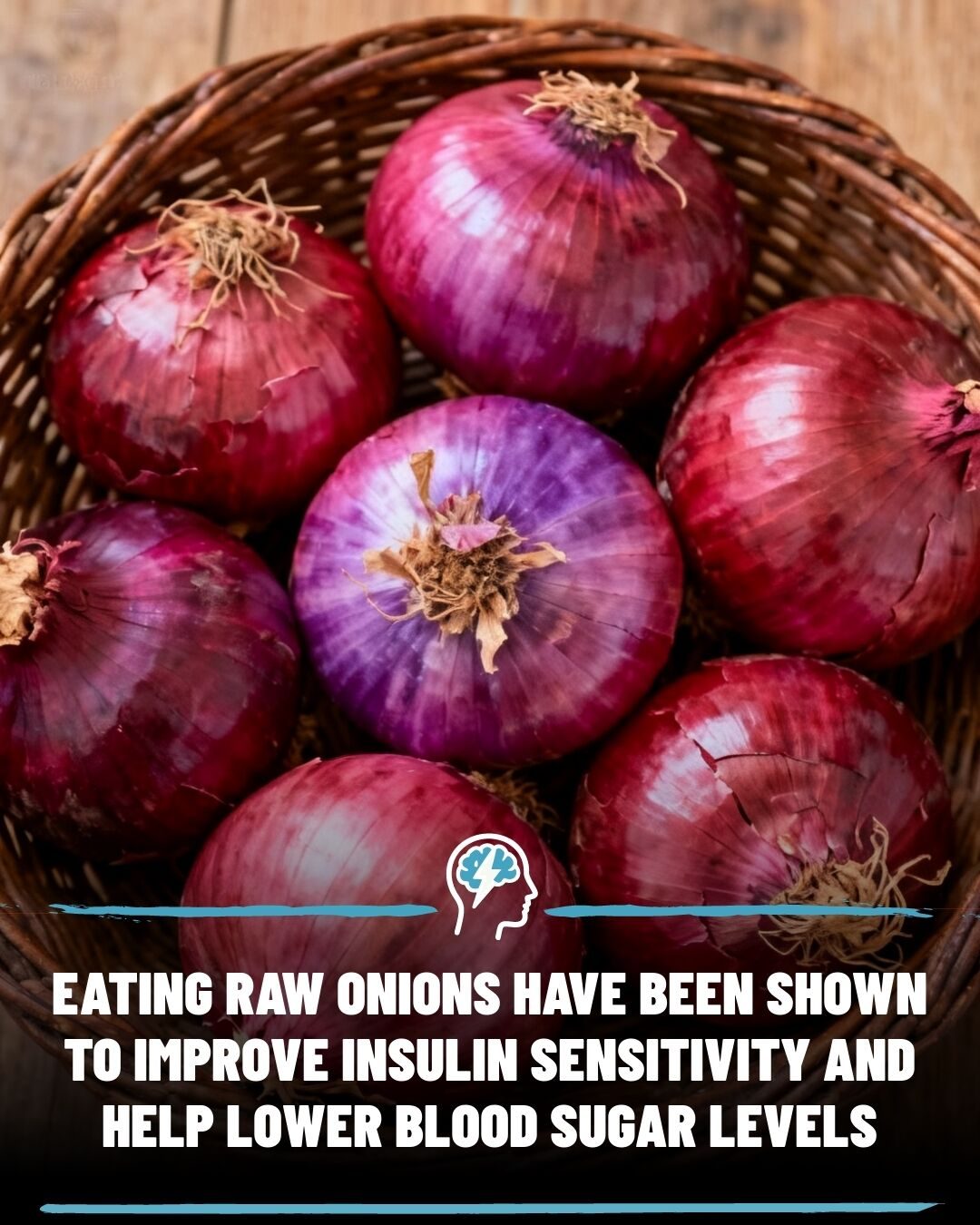
Onions and Insulin Sensitivity
The humble onion, a staple in many kitchens, might be doing more than just adding flavor to meals. Research suggests that eating raw onions can play a significant role in regulating blood sugar levels, particularly for those managing diabetes or prediabetes.
Why This Matters
Diabetes and prediabetes are significant health concerns, affecting millions of people worldwide. Managing blood sugar levels is crucial for preventing complications and maintaining overall health. Understanding the potential benefits of raw onions can provide an additional tool for those looking to manage their blood sugar naturally.
The Science Behind Onions and Blood Sugar
A 2010 study published in Environmental Health Insights found that consuming 100 grams of raw red onion led to significant reductions in fasting blood sugar levels. For individuals with type 1 diabetes, blood sugar levels dropped by about 89 mg/dL after four hours. For those with type 2 diabetes, the reduction was around 40 mg/dL. These findings highlight the potential of onions as a natural aid in blood sugar management.
The key to this effect lies in the unique compounds found in onions. Onions contain sulfur compounds, particularly one called allyl propyl disulfide, which may block the breakdown of insulin in the liver. This compound also stimulates the pancreas to produce more insulin. Additionally, onions are rich in quercetin and other flavonoids, which enhance the uptake of glucose by cells, further supporting the body's natural blood sugar regulation.
Onions and Insulin Sensitivity
Raw onions have been shown to improve insulin sensitivity, making it easier for the body to manage blood sugar levels. This is particularly beneficial for individuals with diabetes or prediabetes, as insulin resistance is a common issue in these conditions. However, it's important to note that this effect is more pronounced in people who already have diabetes. Studies indicate that onions do not significantly lower blood sugar in healthy, nondiabetic individuals.
The effectiveness of onions in improving insulin sensitivity also depends on their preparation. Raw onions appear to be more effective than cooked onions for this benefit. This is likely due to the fact that cooking can degrade some of the beneficial compounds in onions, reducing their effectiveness.
Practical Tips for Incorporating Onions into Your Diet
Incorporating raw onions into your diet can be a simple way to potentially support blood sugar management. Here are some practical tips to get started:
- Raw Onion Salads: Chop raw onions and add them to salads for a flavorful and nutritious boost.
- Dips and Salsas: Finely chop raw onions and mix them into dips, salsas, or guacamole. This adds a crunchy texture and a burst of flavor.
- Wrap Toppings: Use thinly sliced raw onions as a topping for wraps, sandwiches, and burgers. The onions will add a sharp contrast to the creamier ingredients.
- Smoothies: While the idea of raw onion in a smoothie may seem off-putting, a small amount can be blended into smoothies for those who are used to their flavor. Try it in a fruit and plant-based smoothie for a hidden health boost.
- Pickled Onions: Consider making pickled onions, which can be a tasty and less pungent way to enjoy raw onions. They can be added to various dishes, from salads to sandwiches.
Important Takeaways
While the research on onions and blood sugar management is promising, it's essential to remember that food is complex, and so are our bodies. What works for one person may not work for another. Here are some key takeaways to keep in mind:
- Individual Results Vary: The effectiveness of onions in managing blood sugar levels can vary from person to person. It's important to monitor your blood sugar levels and consult with a healthcare provider to determine the best approach for you.
- Part of a Larger Picture: Eating raw onions is not a magic fix for diabetes or prediabetes. It should be part of a larger strategy that includes proper nutrition, regular physical activity, and guidance from healthcare professionals.
- Consult a Professional: Always consult with a healthcare provider before making significant changes to your diet, especially if you have a chronic condition like diabetes.
Conclusion
The humble onion, often overlooked in the kitchen, may offer more than just a burst of flavor – it may also play a role in regulating blood sugar levels. With its unique compounds that support insulin sensitivity and glucose uptake, incorporating raw onions into your diet could be a simple yet effective way to support overall health. However, it's crucial to remember that while onions can be a helpful tool, they are not a replacement for medical treatment or a one-size-fits-all solution. Stay informed, stay curious, and consider your kitchen as a place to explore natural supports for your health.
Watch the Reel
Questions readers ask
How do raw onions help in controlling blood sugar levels?
Raw onions contain compounds like allyl propyl disulfide and quercetin, which can enhance insulin sensitivity and reduce blood sugar levels. These compounds work by helping the body process insulin more effectively, making it easier to manage blood sugar spikes and maintain stable levels.
Can eating raw onions benefit individuals with type 1 diabetes?
Yes, research indicates that consuming raw onions can significantly lower fasting blood sugar levels for individuals with type 1 diabetes by up to 89 mg/dL. This is particularly beneficial as it helps in managing blood sugar levels more effectively, which is crucial for preventing complications associated with diabetes.
What is the recommended amount of raw onions to consume for blood sugar control?
A 2010 study found that consuming 100 grams of raw onions can have a positive impact on blood sugar levels. However, it's important to consult with a healthcare provider before making significant changes to your diet, as individual tolerances and needs can vary.
Are there any risks associated with consuming raw onions for blood sugar control?
While raw onions can offer benefits for blood sugar control, consuming too much can cause digestive discomfort or other side effects. It's important to start with small amounts and gradually increase intake. Individuals with specific health conditions or taking certain medications should consult a healthcare provider before adding raw onions to their diet.
Can raw onions be a part of a diet for managing prediabetes?
Yes, incorporating raw onions into a diet can be beneficial for those managing prediabetes. They can help improve insulin sensitivity and lower blood sugar levels, which are key factors in preventing the progression to type 2 diabetes. Including raw onions in meals can be a natural way to support overall health and blood sugar management.
How quickly can raw onions lower blood sugar levels?
The effects of raw onions on blood sugar levels can vary, but studies have shown that regular consumption can lead to noticeable improvements in insulin sensitivity and blood sugar control over time. While it may not provide an immediate blood sugar drop, consistent intake can support long-term management.
Related deep dives
Similar reads based on topic and creator.



Recent articles
Fresh deep dives from the latest Reels we unpacked.




Comments
Be the first to comment.