Thailand's Revolutionary Grape Farming System
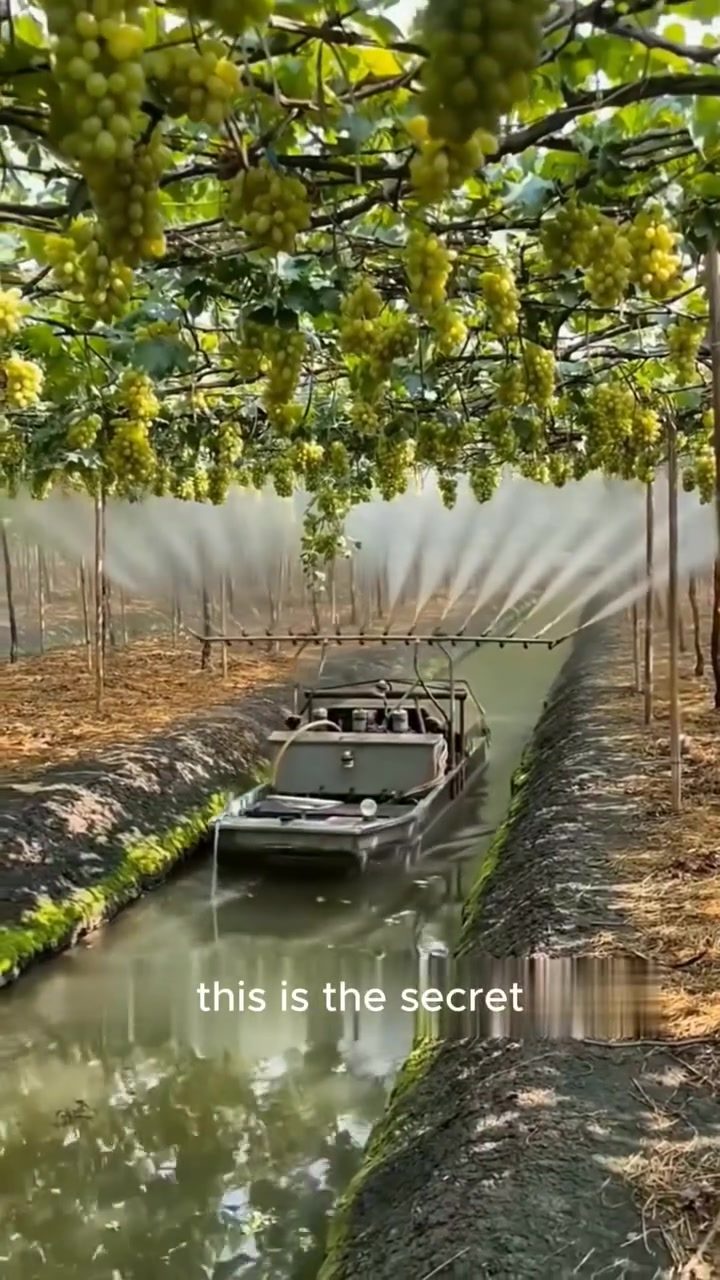
Thailand has carved out a significant niche in the global grape market, and the secret to its success lies in an innovative farming system that revolves around a unique water canal network. This system has transformed traditional vineyard management, making Thai grapes highly competitive in international markets.
Why This Matters
The global demand for grapes is on the rise, driven by increasing consumption in both fresh and processed forms. Thailand's ability to meet this demand efficiently and sustainably is a testament to its agricultural innovation. The country's grape industry has not only boosted local economic growth but has also positioned Thailand as a key player in the global market. Understanding this revolutionary system can offer valuable insights for farmers and agricultural enthusiasts worldwide.
The Innovation Behind Thailand's Grape Success
The Water Canal System
At the heart of Thailand's grape farming success is a sophisticated water canal system. Unlike traditional vineyards that are often planted on flat land, Thai farmers dig canals between every row of vines. This design serves multiple critical functions:
- Water Management: During heavy rain, the canals quickly drain excess water, preventing root rot and other water-related diseases. This is crucial in a region with unpredictable rainfall patterns.
- Cooling Effect: In the hot season, the water in the canals naturally cools the vineyard through evaporation, creating a microclimate that benefits the grapes. This results in better quality fruit, enhancing both taste and marketability.
Efficient Harvesting and Pesticide Application
The canals also streamline the harvesting process. Workers can place freshly picked grapes into small boats, which then navigate the vineyard, acting as a floating conveyor belt. This method reduces the physical strain on workers and speeds up the harvesting process, ensuring that the grapes reach the market quickly and in optimal condition.
Moreover, pesticide spraying is done from these boats, providing more even coverage while reducing labor and keeping workers safer. This integrated approach not only enhances efficiency but also ensures that the grapes are protected from pests and diseases without compromising worker safety.
Transforming the Vineyard
The canals don't just move water; they transform the entire vineyard into a highly efficient farming system. This innovative approach has made Thai grape farming a model of sustainability and productivity, allowing farmers to compete effectively in markets around the world.
Practical Tips for Implementing a Canal System
Implementing a similar canal system in your vineyard can be a game-changer. Here are some practical tips to consider:
Assessing Feasibility
Before digging canals, assess the feasibility of such a system in your vineyard. Consider factors like soil type, rainfall patterns, and the topography of your land. Consulting with agricultural experts can help you determine the best approach for your specific conditions.
Design and Construction
Design the canals to ensure they effectively drain excess water during heavy rain. The canals should be deep and wide enough to handle the water flow, but not so large that they disrupt the vineyard's layout. Proper construction techniques are essential to prevent soil erosion and maintain the integrity of the vineyard.
Maintenance and Management
Regular maintenance is crucial to keep the canals functional. This includes clearing debris, monitoring water levels, and ensuring that the canals do not become breeding grounds for pests. Proper management also involves integrating the canal system with other vineyard management practices, such as irrigation and pest control.
Important Takeaways
Thailand's grape farming success story underscores the importance of innovation in agriculture. The water canal system not only improves water management and cooling but also enhances harvesting and pesticide application processes. This integrated approach has made Thai grapes highly competitive in the global market, offering valuable lessons for farmers and agricultural enthusiasts alike.
Conclusion
Thailand's secret to booming grape production lies in a simple yet innovative canal system. By managing water levels, enhancing cooling, and streamlining harvesting and pesticide application, this system has transformed traditional vineyard management. For farmers looking to improve their grape production, adopting a similar approach could be a game-changer, ensuring high-quality fruit and enhanced market competitiveness.
Watch the Reel
Questions readers ask
What makes Thailand's grape farming industry stand out in the global market?
Thailand's grape farming industry is notable for its innovative use of a canal system that optimizes water management and creates a cooling effect. This unique approach enhances the quality of Thai grapes, making them highly competitive in international markets.
How does Thailand's canal system benefit grape farming?
The canal system in Thailand's grape farming optimizes water management by efficiently distributing water to vineyards and draining excess water during heavy rain. This system also creates a cooling effect, which improves grape quality and supports sustainable farming practices.
What role does water management play in Thailand's grape farming success?
Water management is crucial for Thailand's grape farming success. The country's innovative canal system ensures that vineyards receive the right amount of water, preventing both water shortages and waterlogging, which could harm the grapes.
How has Thailand's grape industry contributed to the country's economy?
Thailand's grape industry has boosted local economic growth by producing high-quality grapes for both domestic consumption and exports. The country's innovative farming methods have positioned Thailand as a key player in the global grape market, attracting international demand.
What are the key features of Thailand's vineyard irrigation techniques?
Thailand's vineyard irrigation techniques are centered around an efficient canal system that ensures optimal water distribution, drainage, and cooling. This system helps maintain soil moisture and temperature, which are essential for growing high-quality grapes.
How does Thailand's grape farming system address heavy rain?
Thailand's canal system is designed to efficiently drain excess water during heavy rain, preventing waterlogging that could damage vineyards. This feature is particularly important in Thailand's tropical climate, where heavy rainfall is common.
Recent articles
Fresh deep dives from the latest Reels we unpacked.




Comments
Be the first to comment.