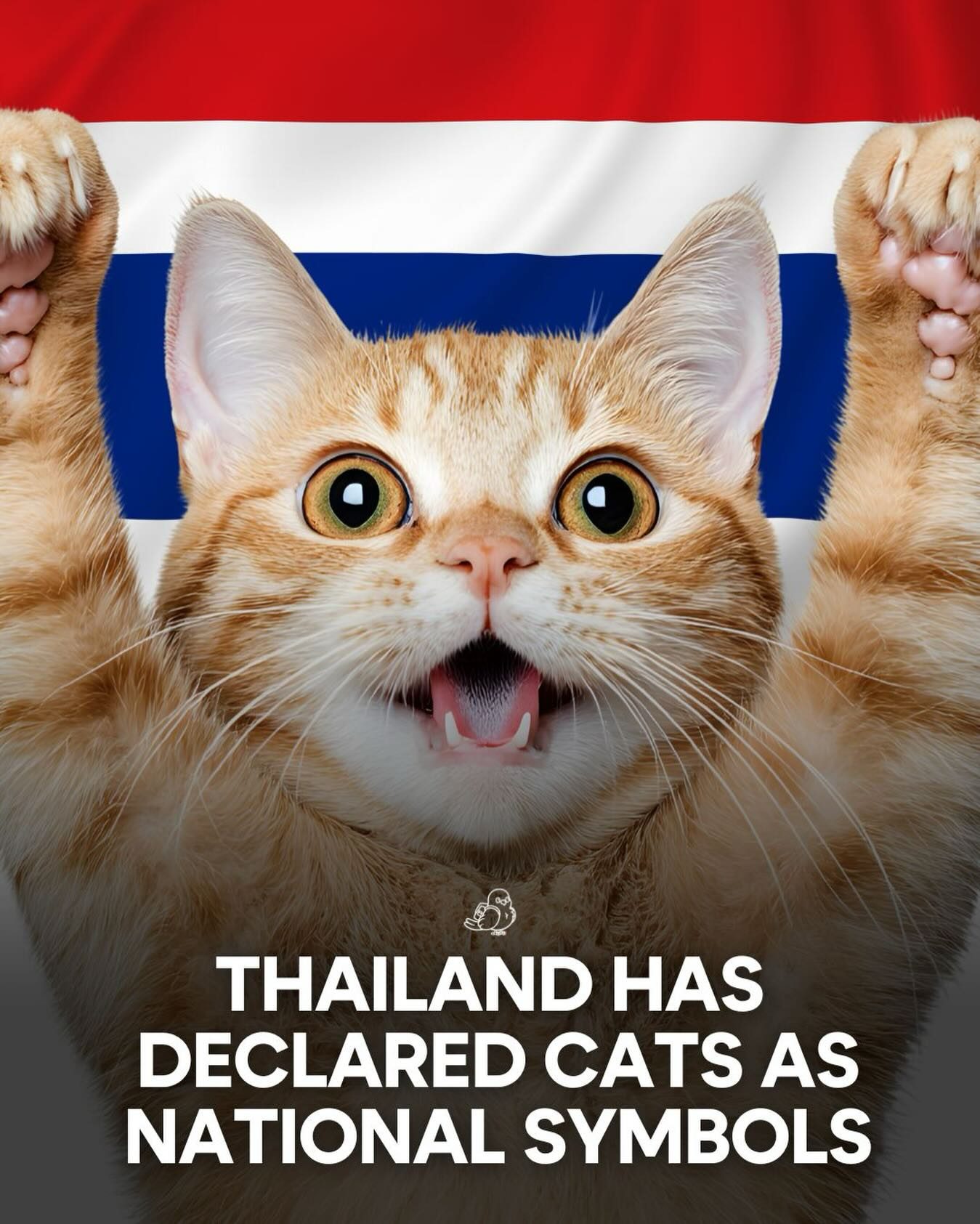
Thailand's National Symbol
Thailand's declaration of cats as national symbols is a celebration of the country's rich cultural heritage and a testament to the feline's historic significance. This move not only honors Thailand's history but also promotes animal welfare and conservation efforts. Let's delve into the cultural context, the historical significance of cats in Thailand, and the implications of this symbolic recognition.
Context / Why This Matters
Thailand's decision to declare cats as national symbols is deeply rooted in the country's cultural and historical landscape. For centuries, cats have been an integral part of Thai society, revered for their association with good luck, prosperity, and protection. Recognizing cats as national symbols is a way for Thailand to celebrate its cultural heritage while also promoting animal welfare and conservation efforts.
The Role of Cats in Thai Culture
Historical Significance
Cats have been part of Thai culture for centuries. Ancient manuscripts and artworks often depict cats as sacred companions, imbued with spiritual significance. Native Thai breeds like the Korat, known for their distinctive blue-gray coat and round, wide eyes, have been particularly valued. These cats were believed to bring good fortune and protection to their owners.
The Korat, in particular, holds a special place in Thai folklore. Often referenced in ancient texts, the Korat is said to have been a favorite among royalty and has been associated with prosperity and good luck. The breed's name, Korat, is derived from the city of Korat in central Thailand, further cementing its connection to the region's heritage.
Cultural Symbolism
In Thai culture, cats are more than just pets; they are symbols of good fortune and protection. This cultural significance is reflected in various aspects of Thai life, from art and literature to religious practices. Cats are often depicted in Thai temples and are believed to ward off evil spirits. This cultural reverence for cats has been passed down through generations, making them an integral part of Thailand's identity.
Modern-Day Reverence
Even in contemporary Thailand, cats hold a special place in society. They are often seen in temples, where monks and locals care for them, and are considered auspicious. The recognition of cats as national symbols is a way to honor this enduring cultural tradition and to encourage the preservation of these beloved animals.
The Declaration and Its Implications
Cultural Celebration
By declaring cats as national symbols, Thailand is not only celebrating its cultural heritage but also fostering a sense of national pride. This recognition highlights the country's unique cultural identity and its commitment to preserving its historical traditions. It also serves as a reminder of the importance of cultural heritage in shaping a nation's identity.
Animal Welfare and Conservation
The declaration is also a significant step towards promoting animal welfare and conservation. By recognizing the cultural and historical significance of cats, Thailand encourages the protection and preservation of these animals. This move can lead to greater awareness and efforts to safeguard native breeds and promote responsible pet ownership.
Cultural Diplomacy
Internationally, this declaration serves as a form of cultural diplomacy. It showcases Thailand's rich cultural heritage and its commitment to animal welfare, earning admiration and respect from around the world. This recognition can also attract tourists and animal lovers interested in experiencing Thailand's unique cultural practices and feline heritage.
Practical Tips
For those interested in learning more about Thailand's feline heritage, here are some practical tips:
Visit Temples
Many Thai temples, especially the Wat Phra Kaeo in Bangkok, are home to numerous cats. Visiting these temples can give you a firsthand look at how cats are revered in Thai culture. Additionally, you can learn about the history and significance of these sacred spaces.
Explore Local Communities
Engage with local communities and learn about their traditions and stories related to cats. Many local residents can offer insights into how cats have been integrated into daily life and cultural practices. They may also provide tips on where to find and care for native breeds.
Adopt a Native Breed
If you're considering adopting a cat, consider native Thai breeds like the Korat. Adopting a native breed supports conservation efforts and helps preserve these historically significant animals. Make sure to adopt from a reputable source and provide a loving home.
Support Animal Welfare
Get involved with local animal welfare organizations that work towards the protection and conservation of cats in Thailand. Your support can make a significant difference in the lives of these animals and help promote responsible pet ownership.
Important Takeaways
- Cats have been deeply rooted in Thai culture and history, symbolizing good luck, prosperity, and protection.
- Recognizing cats as national symbols represents a celebration of Thailand's cultural heritage and a commitment to animal welfare and conservation.
- This declaration highlights the importance of cultural heritage and its impact on national identity.
- Supporting local animal welfare efforts and adopting native breeds can contribute to the preservation of Thailand's feline heritage.
Conclusion
Thailand's decision to declare cats as national symbols is a significant cultural statement that honors the country's rich history and promotes animal welfare. By celebrating this tradition, Thailand reaffirms its commitment to preserving its cultural heritage and ensuring the well-being of its feline companions. This recognition serves as a reminder of the importance of cultural practices in shaping a nation's identity and the need to protect and preserve these practices for future generations.
Watch the Reel
Questions readers ask
What makes cats so significant in Thai culture?
Cats have been an essential part of Thai culture for centuries, often associated with good fortune, wealth, and protection. They are featured in art, literature, and folklore, reflecting their deep-rooted symbolism in Thai society.
Which cat breeds are native to Thailand and what are their distinctive features?
Thailand is home to several native cat breeds, with the Korat and the Siamese being among the most well-known. Korat cats are known for their short, silver-gray coats and striking green eyes, while Siamese cats are recognized for their short coats, blue almond-shaped eyes, and colorful points on their ears, paws, and tail.
How does Thailand's recognition of cats as national symbols impact animal welfare?
By declaring cats as national symbols, Thailand has taken a significant step towards enhancing cat welfare. This recognition promotes greater awareness and respect for cats, encouraging better care and support for both domestic and stray cats, and fostering a more compassionate environment for these animals.
What role do cats play in Thai folklore and art?
Cats are prominent figures in Thai folklore and art, often depicted as guardians and protectors. They are frequently shown in ancient murals, sculptures, and traditional art forms, reflecting their mystical and revered status in Thai culture. Additionally, cats are featured in many Thai folktales, where they embody wisdom, luck, and magical abilities.
What initiatives has Thailand undertaken to preserve its feline heritage and promote cat conservation?
Thailand has implemented various initiatives to preserve its feline heritage and promote cat conservation. These efforts include breeding programs for native cat breeds, such as the Korat and the Siamese, as well as campaigns to protect and care for stray cats. The country also hosts events and festivals celebrating cats, further raising awareness about their significance and the need for conservation.
How has the historical significance of cats in Thailand influenced their role in modern society?
The historical significance of cats in Thailand has greatly influenced their role in modern society, where they continue to be revered and celebrated. Cats are still seen as symbols of good luck and prosperity, and many Thais keep them as pets or care for stray cats, reflecting their enduring cultural importance.
What are some Thai festivals that celebrate cats and their cultural significance?
Thailand hosts several festivals that celebrate cats and their cultural significance, such as the Cat Festival in Sukhothai and the Korat Cat Festival. These events feature cat-themed activities, competitions, and exhibitions, providing a platform to honor Thailand's feline heritage and raise awareness about cat welfare and conservation.
Recent articles
Fresh deep dives from the latest Reels we unpacked.




Comments
Be the first to comment.