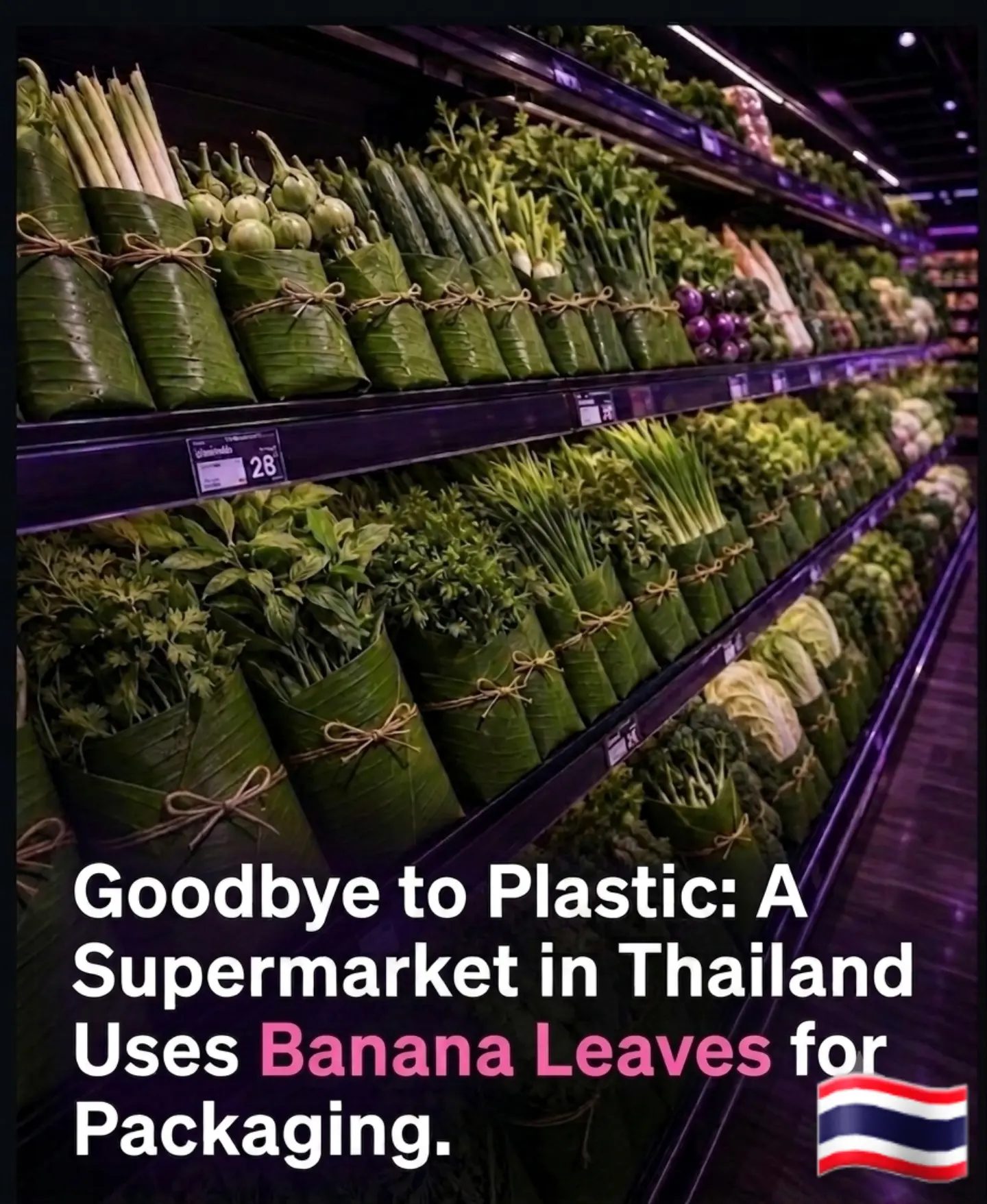
Sustainable Packaging with Banana Leaves
Innovative solutions for eco-friendly packaging are gaining traction worldwide. One standout example is a supermarket in Thailand that has replaced traditional plastic wrapping with natural banana leaves. This initiative showcases a practical and visually appealing way to reduce single-use plastic waste. The vibrant green leaves not only serve as a sustainable alternative but also enhance the visual appeal of fresh produce displays.
Why This Matters
The environmental impact of single-use plastics is a significant global concern. According to the United Nations, approximately 8 million metric tons of plastics enter the oceans annually. This plastic waste not only harms marine life but also affects human health and contaminates food sources. By adopting sustainable packaging solutions, such as using banana leaves, supermarkets can contribute to reducing plastic pollution while promoting eco-friendly practices.
The Benefits of Banana Leaf Packaging
Reduction of Plastic Waste
One of the most compelling reasons to adopt banana leaf packaging is its ability to eliminate the need for single-use plastic. Traditional plastic wrapping contributes significantly to landfill waste, litter, and ocean pollution. By opting for banana leaves, supermarkets can drastically reduce their reliance on plastic, thereby minimizing their environmental footprint.
Eco-Friendly and Biodegradable
Banana leaves are 100% biodegradable, making them an ideal eco-friendly packaging solution. Unlike plastic, which can take hundreds of years to decompose, banana leaves break down naturally within a few months. This inherent biodegradability ensures that the packaging does not contribute to long-term environmental degradation.
Leveraging Local Resources
Banana leaves are a readily available and abundant resource in many tropical and subtropical regions. By using banana leaves for packaging, supermarkets in these areas can leverage local resources, providing an additional sustainable and economical benefit. This approach supports local agriculture and reduces the carbon footprint associated with sourcing and transporting packaging materials.
Enhancing Visual Appeal
While the environmental benefits are substantial, banana leaf packaging also offers aesthetic advantages. The vibrant green color and natural texture of banana leaves add a unique and visually appealing element to produce displays. This can attract more customers and enhance the overall shopping experience. The use of twine bows to secure the leaves adds a rustic, charming touch, making the produce stand out.
Practical Tips for Implementing Banana Leaf Packaging
Selection and Preparation
To successfully implement banana leaf packaging, there are a few practical steps to consider:
- Source Fresh Leaves: Ensure that the banana leaves used are fresh and free from blemishes. Fresh leaves are more pliable and easier to work with.
- Clean and Dry: Clean the leaves thoroughly to remove any dirt or residues. Allow them to dry completely to prevent any moisture from compromising the packaging.
- Cutting and Shaping: Cut the leaves into appropriate sizes and shapes to fit the produce. This may require some trial and error to achieve the desired fit and appearance.
- Sealing: Use natural twine or eco-friendly strings to secure the leaves around the produce. This adds a finishing touch and ensures the produce stays securely wrapped.
Storage and Maintenance
Proper storage and maintenance are crucial for ensuring the longevity and effectiveness of banana leaf packaging:
- Dry Storage: Store the leaves in a cool, dry place to prevent mold or rotting. This will help maintain their freshness and usability.
- Regular Replenishment: Given the biodegradable nature of banana leaves, it is essential to regularly replenish the stock to ensure a continuous supply for packaging.
Training and Education
To ensure the success of the initiative, it is important to train staff on the proper handling and use of banana leaves. This includes:
- Training Sessions: Conduct training sessions to educate staff on the benefits of banana leaf packaging and how to use the leaves effectively.
- Customer Engagement: Inform customers about the initiative and its environmental benefits. This can be done through signage, social media, or direct communication.
Important Takeaways
The initiative of using banana leaves for packaging highlights several essential takeaways for sustainable practices:
- Replacing Plastics: This initiative underscores an effective way to reduce and replace single-use plastics with environmentally friendly alternatives.
- Sustainable Resources: By using locally available and biodegradable resources, this approach supports sustainable and eco-friendly practices.
- Visual and Functional Appeal: Banana leaves not only add to the visual appeal of the produce but also provide a functional and secure packaging solution.
Conclusion
The supermarket in Thailand serves as an inspiring example of how innovative thinking can lead to practical, sustainable solutions. By replacing plastic with banana leaves, the supermarket demonstrates a commitment to reducing plastic waste and promoting eco-friendly practices. This initiative offers a practical and visually appealing solution that can be adopted by other supermarkets and retailers worldwide. Embracing such sustainable practices not only helps protect the environment but also fosters a positive customer experience, making a significant impact on the global effort to reduce plastic pollution.
Watch the Reel
Questions readers ask
Why did a Thai supermarket choose banana leaves for packaging?
The Thai supermarket adopted banana leaves for packaging to reduce plastic waste. Banana leaves are a sustainable, biodegradable, and aesthetically pleasing alternative to traditional plastic wrapping. They also enhance the visual appeal of fresh produce displays, making them an attractive choice for eco-friendly packaging.
How does using banana leaves help the environment?
By using banana leaves, the supermarket significantly reduces its contribution to plastic waste. Banana leaves are biodegradable, meaning they break down naturally over time and do not contribute to landfill waste or ocean pollution. This helps mitigate the environmental impact of single-use plastics, which can be harmful to marine life and human health.
Can banana leaves be used to wrap all types of produce?
While banana leaves are versatile, they are particularly well-suited for wrapping fruits and vegetables. Their natural flexibility and durability make them ideal for protecting and preserving fresh produce. However, their use may vary depending on the type and size of the produce, as well as customer preference.
What are the benefits of using biodegradable packaging like banana leaves?
Biodegradable packaging like banana leaves offers numerous benefits, including reduced environmental impact, less waste in landfills, and decreased ocean pollution. Additionally, banana leaves add a natural, visually appealing element to produce displays, which can enhance the overall shopping experience for customers.
How does this initiative compare to other sustainable supermarket practices?
This initiative stands out due to its use of a natural, renewable resource. While other supermarkets may focus on recycling or reducing plastic bag use, the Thai supermarket's approach goes a step further by eliminating plastic wrapping altogether. This makes it a unique and impactful example of sustainable practices in the retail industry.
What challenges might a supermarket face when implementing banana leaf packaging?
Some challenges include sourcing a consistent supply of banana leaves, ensuring they are clean and free from pests, and maintaining freshness. Additionally, customers may need time to adapt to this new packaging method. However, the environmental benefits and visual appeal can outweigh these challenges, making it a viable long-term solution.
How can other supermarkets adopt similar eco-friendly practices?
Supermarkets interested in adopting similar practices can start by researching locally available, sustainable materials that can replace plastic. They should also consider the logistics of sourcing and implementing these materials, as well as customer reception. Engaging with local communities and suppliers can provide valuable insights and support for successful implementation.
Recent articles
Fresh deep dives from the latest Reels we unpacked.




Comments
Be the first to comment.