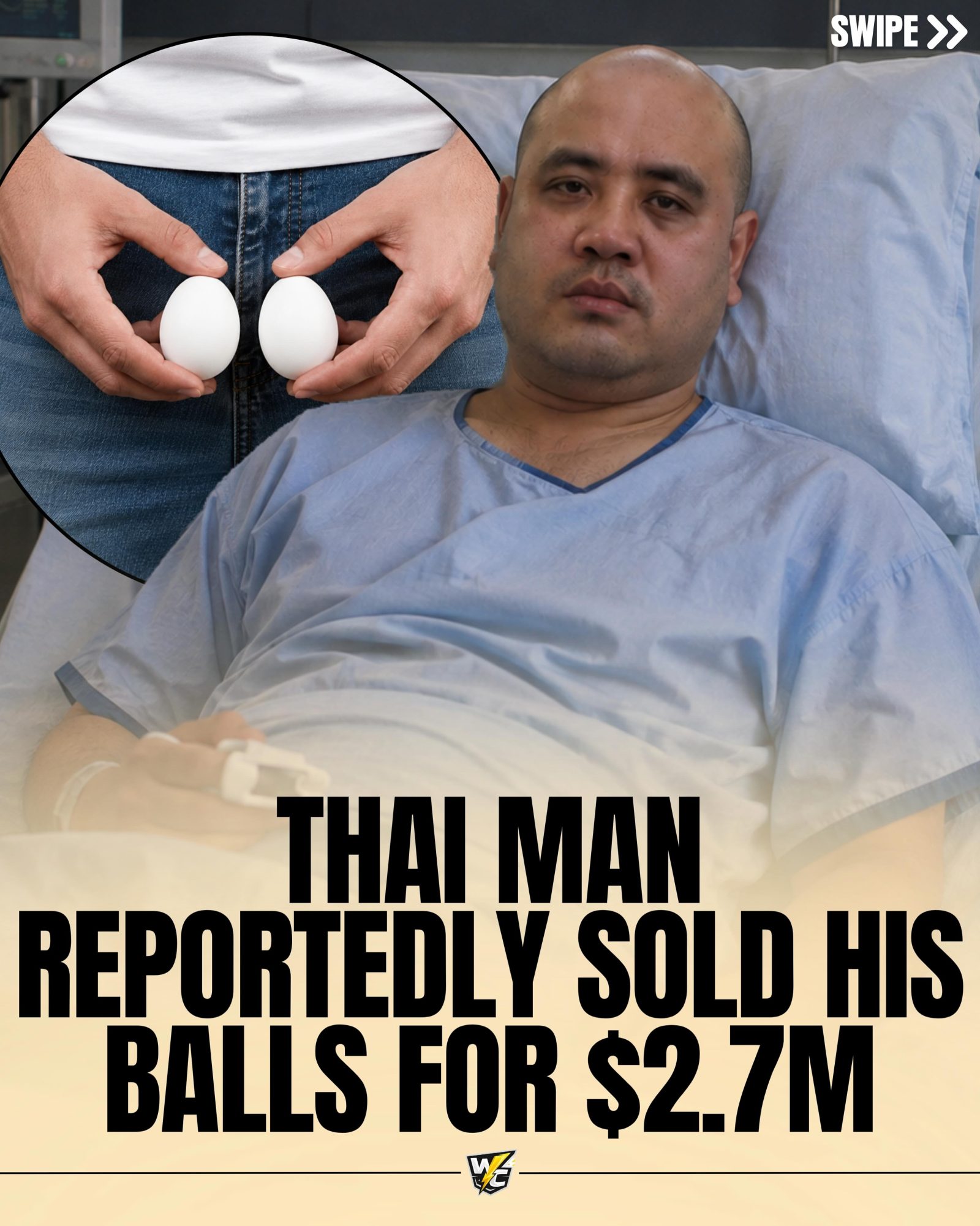
A Thai man reportedly sold his testicles for $2.7 million, a sensational news story that has gained significant attention. While details are still emerging, the story presents an opportunity to delve into various aspects, including the medical, ethical, and legal considerations involved.
Context / Why this matters
The sale of organs and body parts is a deeply complex issue, raising questions about ethics, legality, and personal autonomy. This story is particularly striking due to the reported high price tag and the nature of the organ involved. Understanding the context helps to appreciate the broader implications of such actions.
The Medical Perspective
The sale of testicles involves significant medical risks. The removal of testicles, known as orchiectomy, is a serious surgical procedure that can have long-term health implications. These include hormonal imbalances, infertility, and psychological impacts. The reported sale price of $2.7 million suggests that the man may have believed the financial gain outweighed the risks.
Ethical Considerations
Ethical debates around organ sales often revolve around issues of exploitation, coercion, and the commodification of the human body. Critics argue that allowing the sale of body parts can lead to a market where vulnerable individuals may feel compelled to sell their organs for financial gain. This raises concerns about whether the man in question had genuine autonomy in his decision.
Legal Implications
The legality of organ sales varies widely by country. In many places, the sale of organs is strictly prohibited to prevent exploitation and ensure that organ donation remains a voluntary and altruistic act. Thailand, for example, has strict laws against organ trafficking, which complicates the legal status of this reported transaction.
Effects on the Man's Life
Immediate Medical Care
The images of the man in a hospital bed suggest that he underwent a medical procedure, likely an orchiectomy. The hospital setting also implies that he is receiving post-operative care, which is crucial for his recovery. The presence of white eggs in his hands, presumably a cultural or symbolic representation, adds another layer of intrigue to the story.
Financial Gain
The reported sum of $2.7 million is a life-changing amount of money. For the man, this financial gain could significantly alter his standard of living, providing opportunities that might have previously been out of reach. However, the long-term impact on his health and quality of life remains uncertain.
Psychological Impact
The psychological effects of undergoing such a procedure and the media attention surrounding it cannot be overlooked. The decision to sell one's testicles is likely to have profound psychological implications, potentially leading to feelings of stigma, shame, or regret.
Practical Tips
For Those Considering Extreme Measures
If you or someone you know is considering extreme measures to gain financial stability, it's important to seek professional advice. Financial advisors, counselors, and healthcare providers can offer support and explore alternative solutions.
Legal and Ethical Guidance
For those facing financial difficulties, it's crucial to understand the legal and ethical implications of any drastic decisions. Consulting with legal experts and ethical advisors can provide clarity and help ensure that any actions taken are within the bounds of the law and are ethically sound.
Health and Wellness
Maintaining good health is paramount. Regular check-ups, a balanced diet, and mental health support can help manage the risks associated with any significant health decisions. Engaging with healthcare professionals can provide a comprehensive understanding of the potential risks and benefits of such procedures.
Important takeaways
The sale of organs, including testicles, is a complex issue with profound medical, ethical, and legal implications. The reported sale of a Thai man's testicles for $2.7 million underscores the need for careful consideration of the risks involved and the potential impact on an individual's life. While financial gain can be a powerful motivator, the long-term consequences on health and well-being must be carefully weighed.
Conclusion
The sensational news story of a Thai man allegedly selling his testicles for $2.7 million highlights the intricacies of organ sales and the ethical, legal, and medical considerations involved. Whether this act was motivated by genuine financial necessity or other factors, it serves as a reminder of the complexities surrounding the commodification of the human body. It is crucial to approach such decisions with a full understanding of the potential consequences and to seek professional guidance to navigate the challenges involved.
Watch the Reel
Questions readers ask
Is the sale of human organs legal in Thailand?
The sale of human organs is illegal in Thailand, as it is in many countries. The Thai man's case has sparked debates about the enforcement of these laws and the penalties for such activities. The legal system in Thailand strictly prohibits organ trafficking and exploitation, and anyone caught engaging in it is subject to severe consequences.
What are the medical risks associated with the sale of testicles?
The removal of testicles, medically known as an orchiectomy, carries several risks. These can include hormonal imbalances, reduced sexual function, and increased risk of certain cancers. Additionally, such a procedure can lead to psychological and emotional distress.
What ethical considerations are involved in organ sales?
Organ sales raise numerous ethical concerns, including the potential for exploitation, coercion, and the commodification of the human body. This case highlights the ethical dilemma between personal autonomy and the potential harm to individuals who may feel compelled to sell their organs due to financial desperation.
What are the potential legal consequences for the Thai man and the buyer?
Both the seller and the buyer in this case could face severe legal consequences. In Thailand, organ trafficking is a criminal offense, and those involved can be prosecuted and punished according to the law. Penalties can include fines and imprisonment, reflecting the seriousness of the crime.
How does this case highlight issues of personal autonomy?
This case underscores the tension between personal autonomy and the potential for exploitation. While individuals should have the right to make decisions about their own bodies, the high financial incentive and the nature of the organ involved raise concerns about whether the decision was truly voluntary or influenced by desperation.
What are the broader implications of this case for organ donation and transplantation?
The case highlights the challenges and ethical dilemmas associated with organ transplantation, including the need to address the global demand for organs. It emphasizes the importance of promoting ethical organ donation practices and reducing the incentive for illegal organ sales, which contribute to human trafficking and exploitation.
What steps can be taken to address the issue of organ sales in Thailand?
To address organ sales in Thailand, it is essential to strengthen law enforcement, raise awareness about the risks and ethical implications, and provide support for individuals who may be tempted to sell their organs due to financial hardship. Promoting ethical alternatives, such as voluntary organ donation and increasing resources for healthcare and social support, can also help combat this issue.
Recent articles
Fresh deep dives from the latest Reels we unpacked.




Comments
Be the first to comment.