Bible Reading in Texas Schools
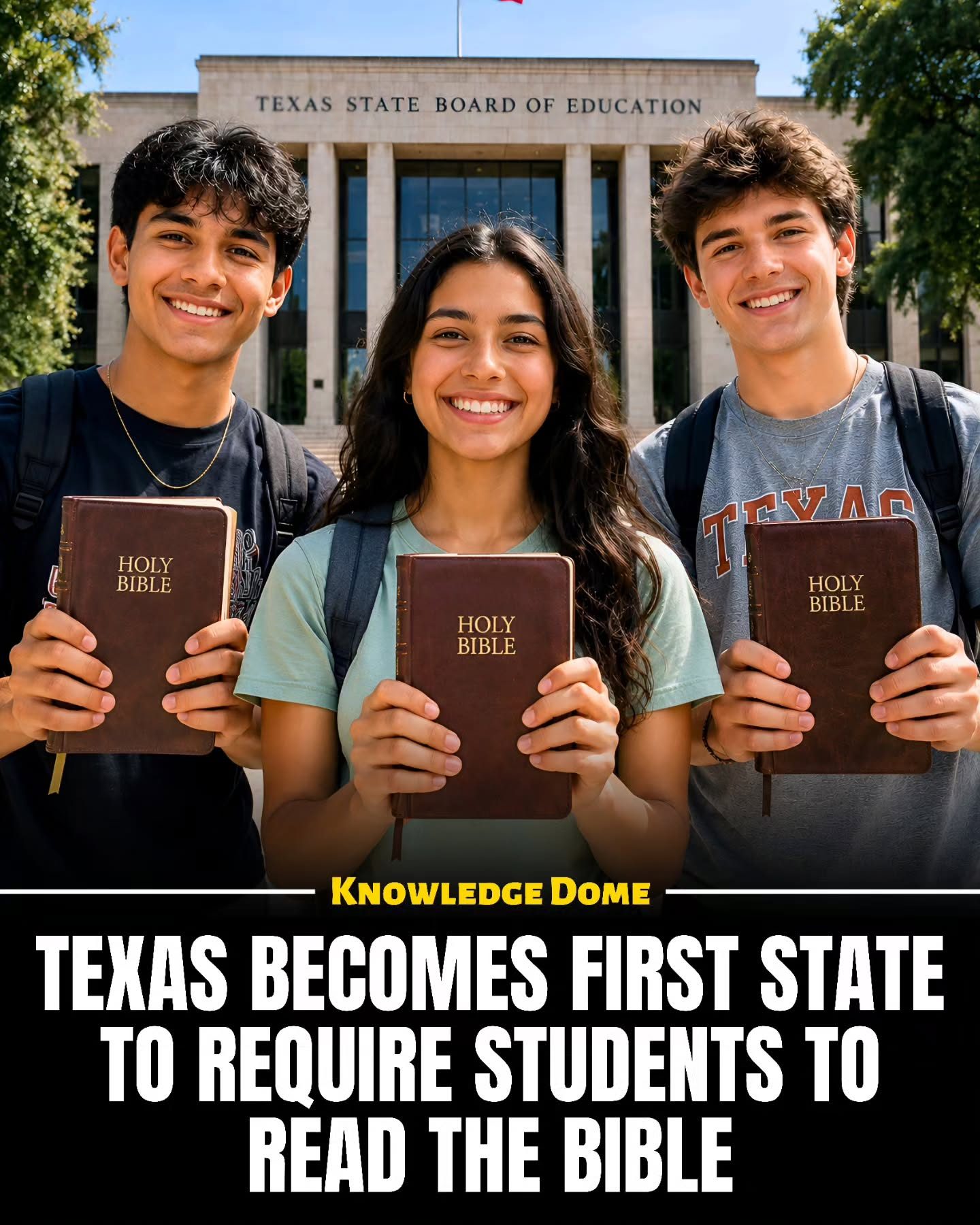
Texas has taken a significant step in education by approving a new school curriculum that mandates students to read passages from the Bible. This decision makes Texas the first state in the nation to implement such a requirement on a statewide level. The change will gradually affect more than 5.5 million students, with the rollout beginning in the 2030 to 2031 school year, starting with elementary students.
Context / Why This Matters
This policy is part of a broader discussion about the role of religion in public education. It raises questions about the separation of church and state, the cultural significance of religious texts, and the educational value of including religious material in public school curricula. Understanding this shift is crucial for educators, parents, and policymakers as they navigate the implications for student learning and societal values.
Main Discussion
The Details of the Curriculum
The new curriculum will incorporate about a dozen Bible passages into lessons for students from kindergarten through 12th grade. Some of the key stories include Adam and Eve, David and Goliath, and selected parts from the New Testament and the Book of Job. These passages are chosen to provide students with a foundation in literature, history, and the cultural roots of the United States.
Integration and Implementation
This requirement will be implemented in a more uniform way than in many other states, as the required reading list will apply across both public and charter schools. The passages will become part of standardized testing, ensuring that all students are exposed to this material and can demonstrate understanding.
Supporters' Perspectives
Proponents of the change argue that these passages are essential for students to gain a deeper understanding of literature, history, and cultural roots. They believe that familiarity with these stories will enrich students' educational experiences and provide them with a broader perspective on the world.
Criticisms and Concerns
On the other hand, critics, including civil rights groups, educators, and religious freedom advocates, contend that the policy crosses the line between church and state. They argue that pushing one religion into public classrooms could lead to discrimination and undermine the principles of religious neutrality in public education.
Practical Tips
For Teachers
Teachers will need to integrate these passages into their lessons in a balanced and respectful manner. Here are some practical tips:
- Contextualize the Material: Provide historical and cultural context to help students understand the significance of these passages.
- Encourage Critical Thinking: Foster discussions that encourage students to think critically about the stories and their meanings.
- Respect Diverse Beliefs: Ensure that all students feel included and respected, regardless of their religious backgrounds.
For Parents
Parents can play a crucial role in supporting their children through this change:
- Engage in Conversations: Ask your children about what they are learning in school and discuss any questions or concerns they may have.
- Stay Informed: Keep up with the curriculum and understand what your children will be reading and studying.
- Encourage Open Dialogue: Create a safe space at home for your children to express their thoughts and feelings about the material.
For Policymakers
Policymakers need to consider the broader implications of this policy:
- Review and Adjust: Regularly review the implementation of the curriculum and make adjustments as needed to address any concerns or issues that arise.
- Maintain Balance: Ensure that the curriculum remains balanced and does not promote one religion over others.
- Communicate Clearly: Provide clear and transparent communication about the rationale and goals of the curriculum.
Important Takeaways
- Texas is the first state to mandate Bible reading in public schools on a statewide level.
- The curriculum will include a dozen key passages and will be phased in starting with elementary students.
- The decision has sparked controversy regarding the separation of church and state in public education.
- Supporters argue that the passages provide valuable cultural and historical context.
- Critics worry about potential discrimination and the promotion of one religion in public classrooms.
Conclusion
The implementation of a new curriculum in Texas that requires students to read passages from the Bible is a significant development in the landscape of public education. While supporters see it as a way to enhance students' understanding of literature, history, and cultural roots, critics raise concerns about the separation of church and state. As this policy rolls out, it will be essential for educators, parents, and policymakers to navigate the complexities and find a balance that respects the diversity of beliefs and values within the student population.
Watch the Reel
Questions readers ask
Which students will be the first to participate in the Bible reading program in Texas schools?
The rollout of the Bible reading program in Texas schools will begin with elementary students, starting in the 2030 to 2031 school year. This initiative aims to gradually include more students as it progresses.
What specific Bible passages will be included in the Texas school curriculum?
The curriculum will include key stories from both the Old and New Testaments. Specific passages have not been detailed, but they are expected to cover significant narratives from each Testament.
How many students will be affected by this new policy in Texas?
Over 5.5 million students in Texas will be affected by this new policy, making it a substantial change in the state's educational landscape.
What is the timeline for the implementation of the Bible reading requirement?
The implementation will begin in the 2030 to 2031 school year, starting with elementary students. The program will be rolled out gradually over time.
Why is Texas the first state to mandate Bible reading in public schools?
Texas has taken a notable step in requiring Bible reading, positioning itself as a pioneer in this policy. The decision is part of a broader discussion about the role of religion in public education and the cultural significance of religious texts.
Will this policy impact the curriculum in all Texas public schools?
Yes, this policy will impact the curriculum in all Texas public schools as it is a statewide mandate. The new Bible reading requirement will be integrated into the standard curriculum.
What are the implications of this policy for the separation of church and state?
The policy raises important questions about the separation of church and state. Critics may argue that it blurs the line between religious and secular instruction, while supporters might see it as a way to acknowledge the cultural and historical significance of the Bible.
Related deep dives
Similar reads based on topic and creator.




Recent articles
Fresh deep dives from the latest Reels we unpacked.




Comments
Be the first to comment.