Microcontroller Revolution: The Rise of Tiny, Affordable Processing Power
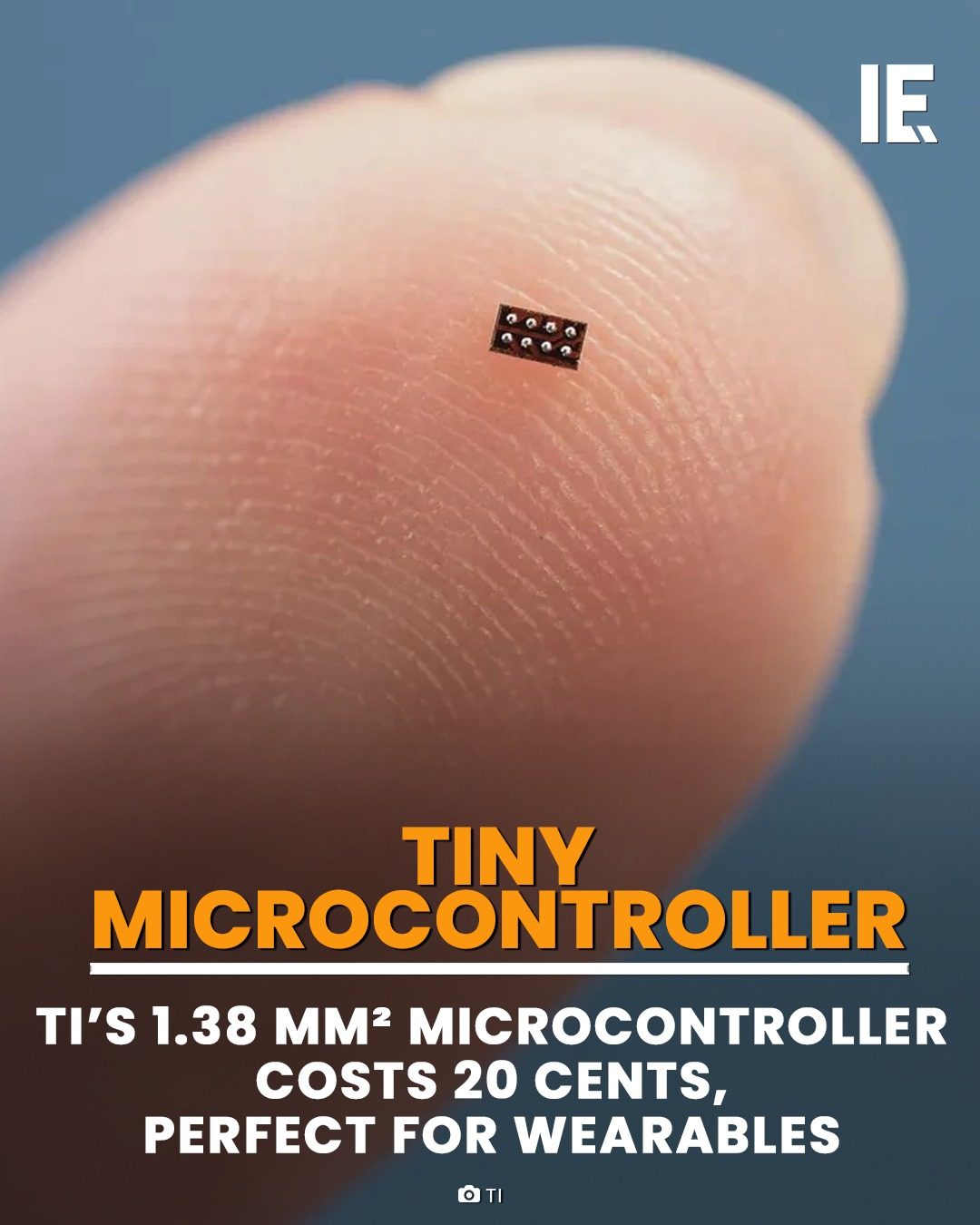
Texas Instruments has launched a microcontroller that is barely 1.38 mm² in size, making it small enough to rest comfortably on a fingertip. Priced at around 20 cents per unit, this tiny marvel is designed for ultra-low-power applications, particularly in the realm of wearable technology, hearables, and compact IoT devices. The microcontroller's diminutive size and low cost make it a game-changer for medical wearables and implantable devices, where both size and cost are crucial factors.
Context / Why This Matters
The development of miniature, cost-effective microcontrollers is pivotal in advancing wearable technology and IoT applications. These devices require processing capabilities that are both compact and energy-efficient. The new microcontroller from Texas Instruments addresses these needs, making it possible to integrate processing power into devices that were previously constrained by size and cost limitations.
Main Discussion
The Evolution of Microcontrollers
Microcontrollers have long been a staple in electronics, ranging from simple sensors to complex systems. Traditionally, the size and cost of microcontrollers have been significant barriers in many applications, particularly in wearable and medical devices. The introduction of a 1.38 mm² microcontroller represents a significant leap forward in miniaturization and affordability. This advancement opens up new possibilities in various fields, including healthcare, fitness tracking, and smart home devices.
Ultra-Low-Power Applications
One of the standout features of this new microcontroller is its ultra-low-power consumption. This is particularly important for wearable and medical devices, which often require long battery life and minimal power usage. Wearables, such as smartwatches and fitness trackers, benefit significantly from this technology. The low power consumption ensures that these devices can operate for extended periods without frequent charging, enhancing user convenience and reliability.
Medical wearables and implantable devices also stand to gain from this innovation. The ability to process data efficiently with minimal power usage is critical for these devices, as they often need to operate continuously and unobtrusively. The dimensions and cost of the microcontroller make it feasible to integrate processing capabilities into disposable or implantable medical devices, a breakthrough that was previously economically unviable.
Medical Wearables and Hearables
Medical wearables and hearables are among the most promising applications for this new microcontroller. The compact size allows for seamless integration into devices that need to be unobtrusive and comfortable for the user. For instance, hearables, which are devices designed to be worn in the ear, can now include advanced processing capabilities without adding significant bulk or cost.
In the medical field, wearable devices can monitor vital signs, track medication adherence, and even provide real-time health data to healthcare providers. The microcontroller's ultra-low power consumption ensures that these devices can operate continuously, providing valuable data without the need for frequent recharging or battery replacements.
Compact IoT Devices
The Internet of Things (IoT) encompasses a wide range of devices, from smart home gadgets to industrial sensors. The new microcontroller is well-suited for these applications due to its small size and low cost. It enables the creation of compact, affordable IoT devices that can be deployed in various environments, from smart homes to industrial settings.
For example, smart home devices like thermostats, security systems, and lighting controls can benefit from the integration of this microcontroller. Its compact size allows for discreet placement, while its low power consumption ensures that these devices can operate efficiently without draining battery life.
Practical Tips
When working with tiny microcontrollers, especially in applications like wearable technology and IoT devices, it is essential to consider a few practical tips:
Power Management
Efficient power management is crucial, especially in devices that need to operate continuously or for extended periods. Designing the device to minimize power consumption and optimize battery life can significantly enhance its usability and reliability.
Integration and Compatibility
Ensuring that the microcontroller is compatible with other components and systems is essential. This includes considering factors like communication protocols, data transfer rates, and power requirements. Compatibility ensures seamless integration and optimal performance.
Form Factor and Design
Given the tiny size of the microcontroller, designing the device to accommodate it without compromising on functionality or user experience is key. The form factor should be compact and ergonomic, especially for wearable devices, to ensure comfort and convenience for the user.
Testing and Reliability
Thorough testing and validation are necessary to ensure the reliability and performance of the microcontroller in real-world applications. This includes stress testing under various conditions, such as temperature, humidity, and physical stress, to ensure that the device can withstand everyday use and potential environmental factors.
Important Takeaways
The launch of a 1.38 mm² microcontroller by Texas Instruments marks a significant milestone in the field of electronics. Its compact size, low cost, and ultra-low power consumption make it ideal for a wide range of applications, from wearable technology to medical devices and IoT. This innovation paves the way for more advanced, efficient, and affordable electronic devices, enhancing various aspects of daily life and healthcare.
Conclusion
The advent of tiny, affordable microcontrollers is transforming the landscape of wearable technology and IoT devices. With its 1.38 mm² size and 20-cent price point, Texas Instruments' new microcontroller offers unparalleled advantages in terms of size, cost, and power efficiency. This breakthrough opens up new possibilities in medical wearables, hearables, and compact IoT devices, making advanced processing capabilities more accessible and economical than ever before.
Watch the Reel
Questions readers ask
What makes Texas Instruments' new microcontroller suitable for wearables?
The microcontroller's extremely small size of 1.38 mm² allows it to be integrated into compact wearable devices without adding significant bulk. Its low power consumption and affordability also make it ideal for wearable tech.
How affordable is the Texas Instruments microcontroller for wearables?
The microcontroller is priced at approximately 20 cents per unit, making it a cost-effective choice for manufacturers producing wearable devices, medical wearables, and implantable devices.
What are the primary advantages of using a miniature microcontroller in IoT devices?
Miniature microcontrollers offer several benefits for IoT devices, including reduced size, lower power consumption, and cost-efficiency. These advantages enable the creation of more compact and affordable IoT solutions.
Can this microcontroller be used in medical wearable devices?
Yes, the microcontroller's small size and low cost make it an excellent choice for medical wearable devices and implantable devices, where space and budget constraints are significant factors.
What kind of applications can benefit from the Texas Instruments microcontroller?
The microcontroller is well-suited for a variety of applications, including wearable technology, hearables, and compact IoT devices. Its ultra-low-power design is particularly advantageous for devices that require long battery life.
How does the size of the Texas Instruments microcontroller compare to other microcontrollers?
The Texas Instruments microcontroller is one of the smallest available, measuring just 1.38 mm². This makes it significantly smaller than many other microcontrollers on the market, offering unique advantages for ultra-compact devices.
What role does the cost of the microcontroller play in its appeal for wearable tech?
The low cost of approximately 20 cents per unit makes the microcontroller an attractive option for manufacturers looking to create affordable wearable devices. This cost-efficiency can help drive innovation and accessibility in the wearable tech market.
Related deep dives
Similar reads based on topic and creator.


Recent articles
Fresh deep dives from the latest Reels we unpacked.




Comments
Be the first to comment.