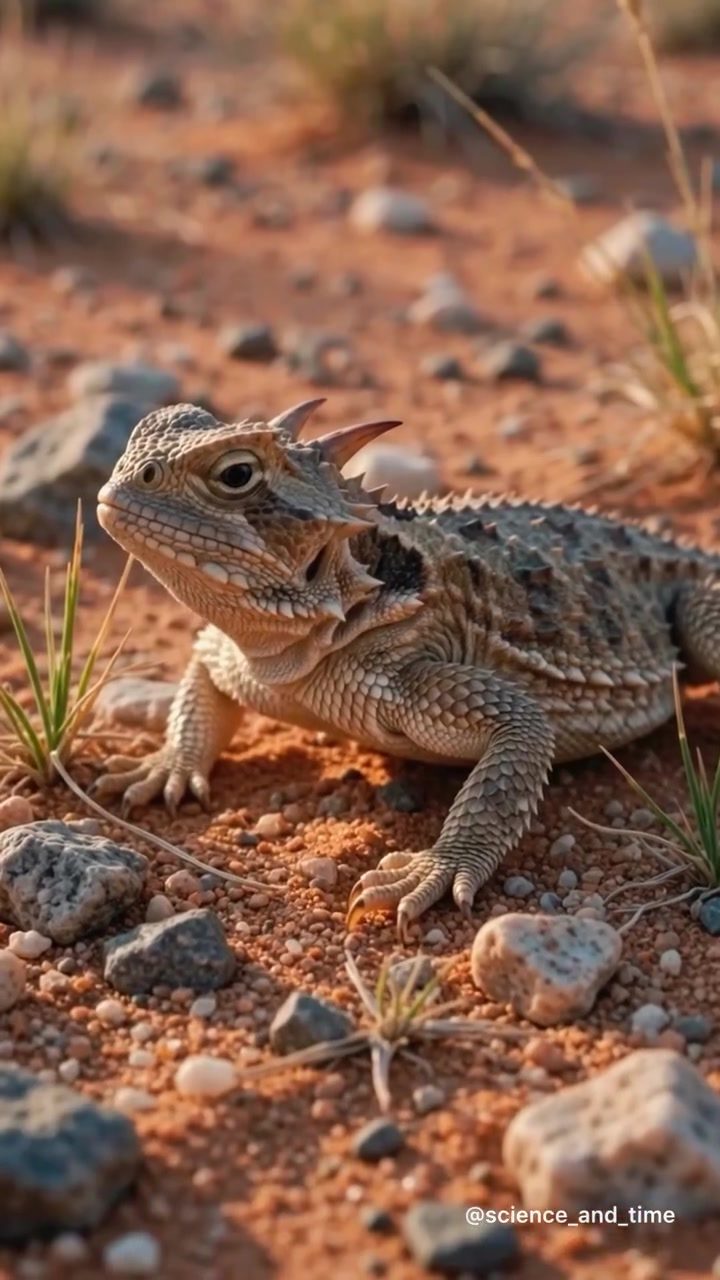
The Texas Horned Lizard: A Master of Desert Survival
The Texas horned lizard, often called the "horny toad," is a remarkable desert dweller known for its unique survival strategies. This tiny lizard has evolved an extraordinary defense mechanism that sets it apart from other reptiles: it can shoot blood from its eyes. This peculiar ability is just one of the many adaptations that allow the Texas horned lizard to thrive in the harsh desert environment.
The Blood-Shooting Defense
When faced with predators much larger than itself, such as coyotes and foxes, the Texas horned lizard employs a surprising defense strategy. Instead of running, the lizard initiates a complex physiological response. It first closes tiny veins behind its eyes, allowing blood to collect in special chambers. As the blood accumulates, the pressure in these chambers rises dramatically. When the pressure peaks, a tiny membrane opens, and a narrow jet of blood is forcefully ejected from the lizard's eyes, hitting the predator's face and startling it.
It's important to note that the blood itself is not poisonous. The lizard's defense relies on the foul-tasting chemicals present in its blood. These chemicals overwhelm predators like coyotes, making the lizard's blood an unpleasant and surprising experience. This reaction often causes the predator to retreat, giving the lizard a chance to escape and survive.
Camouflage and Other Adaptations
The Texas horned lizard's survival tactics don't stop at its blood-shooting defense. This small reptile is also equipped with exceptional camouflage. Its spiny armor and textured skin help it blend seamlessly into its desert surroundings, making it difficult for predators like birds to spot. This camouflage is particularly effective against aerial predators, complementing its blood-shooting defense, which is primarily used against canid predators.
The lizard's diet is another key factor in its desert survival. The Texas horned lizard feeds primarily on ants, which are abundant in the desert. This diet provides the necessary nutrients and hydration to sustain the lizard in the harsh environment.
Evolution and Natural Selection
The unique defense mechanisms and adaptations of the Texas horned lizard are the result of millions of years of natural selection. These features have been refined over time to help the lizard survive in one of Earth's toughest deserts. The combination of chemical defense, camouflage, and a specialized diet allows the Texas horned lizard to thrive in an environment where resources are scarce and predators are abundant.
Practical Tips for Observing Texas Horned Lizards
Observing the Texas horned lizard in its natural habitat can be a fascinating experience. Here are some practical tips to enhance your observation:
-
Choose the Right Time: The best time to spot a Texas horned lizard is during the early morning or late afternoon when the desert heat is less intense. This is when the lizard is most active.
-
Look for Ant Hills: Since the lizard's diet consists mainly of ants, looking for ant hills can increase your chances of spotting a Texas horned lizard.
-
Be Patient and Quiet: These lizards are well-camouflaged and can be difficult to spot. Move slowly and quietly to avoid startling them.
-
Use Binoculars: Binoculars can help you observe the lizard from a distance without disturbing it. This is especially useful for getting a closer look at its unique features and behaviors.
-
Respect the Environment: When observing wildlife, it's important to minimize your impact on the environment. Stay on designated paths and avoid touching or handling the lizard.
Important Takeaways
The Texas horned lizard's survival strategies offer valuable insights into the adaptations needed to thrive in challenging environments. Its blood-shooting defense, camouflage, and specialized diet are all critical components of its success in the desert. By understanding these adaptations, we can appreciate the incredible resilience and resourcefulness of this remarkable reptile.
Conclusion
The Texas horned lizard is a testament to the marvels of natural selection and adaptation. Its unique defense mechanism, combined with camouflage and a diet dominated by ants, enables it to survive in one of the harshest environments on Earth. Observing this lizard in its natural habitat provides a deeper appreciation for the intricate web of life in the desert and the remarkable strategies that allow certain species to thrive in such challenging conditions. Whether you're a wildlife enthusiast or a curious observer, the Texas horned lizard offers a fascinating glimpse into the wonders of the natural world.
Watch the Reel
Questions readers ask
How does the Texas horned lizard shoot blood from its eyes?
The Texas horned lizard shoots blood from special veins behind its eyes. It closes these veins to collect blood, then increases its blood pressure to force the blood out, creating a surprising jet. This occurs when the lizard is threatened by larger predators.
What triggers the Texas horned lizard's blood-shooting defense?
The primary trigger for this defense mechanism is the presence of predators, particularly larger animals like coyotes and foxes. When threatened, the lizard initiates a physiological response to shoot blood from its eyes, serving as a deterrent against potential attacks.
How does the Texas horned lizard's blood-shooting defense help it survive in the desert?
This unique defense helps the Texas horned lizard by startling and deterring predators. The unexpected action often confuses or startles the predator, giving the lizard a chance to escape. This, combined with the lizard's exceptional camouflage, enhances its survival in the harsh desert environment.
What are the main predators of the Texas horned lizard?
The Texas horned lizard faces threats from various predators, including coyotes and foxes. These larger animals are the primary targets of the lizard's blood-shooting defense, as the lizard relies on this mechanism to deter and escape from potential attacks.
Can the Texas horned lizard use other defenses besides blood-shooting?
Yes, the Texas horned lizard has several defense mechanisms. In addition to its blood-shooting ability, it possesses exceptional camouflage that helps it blend into its desert surroundings. This camouflage allows the lizard to remain hidden from predators, reducing the likelihood of detection and attack.
What is the process behind the Texas horned lizard’s blood pressure increase?
The lizard closes tiny veins behind its eyes, allowing blood to collect in special chambers and then increases its blood pressure to force the blood out, creating a jet. This process is a complex physiological response activated when the lizard feels threatened, serving as a deterrent against predators.
Related deep dives
Similar reads based on topic and creator.

Recent articles
Fresh deep dives from the latest Reels we unpacked.



Comments
Be the first to comment.