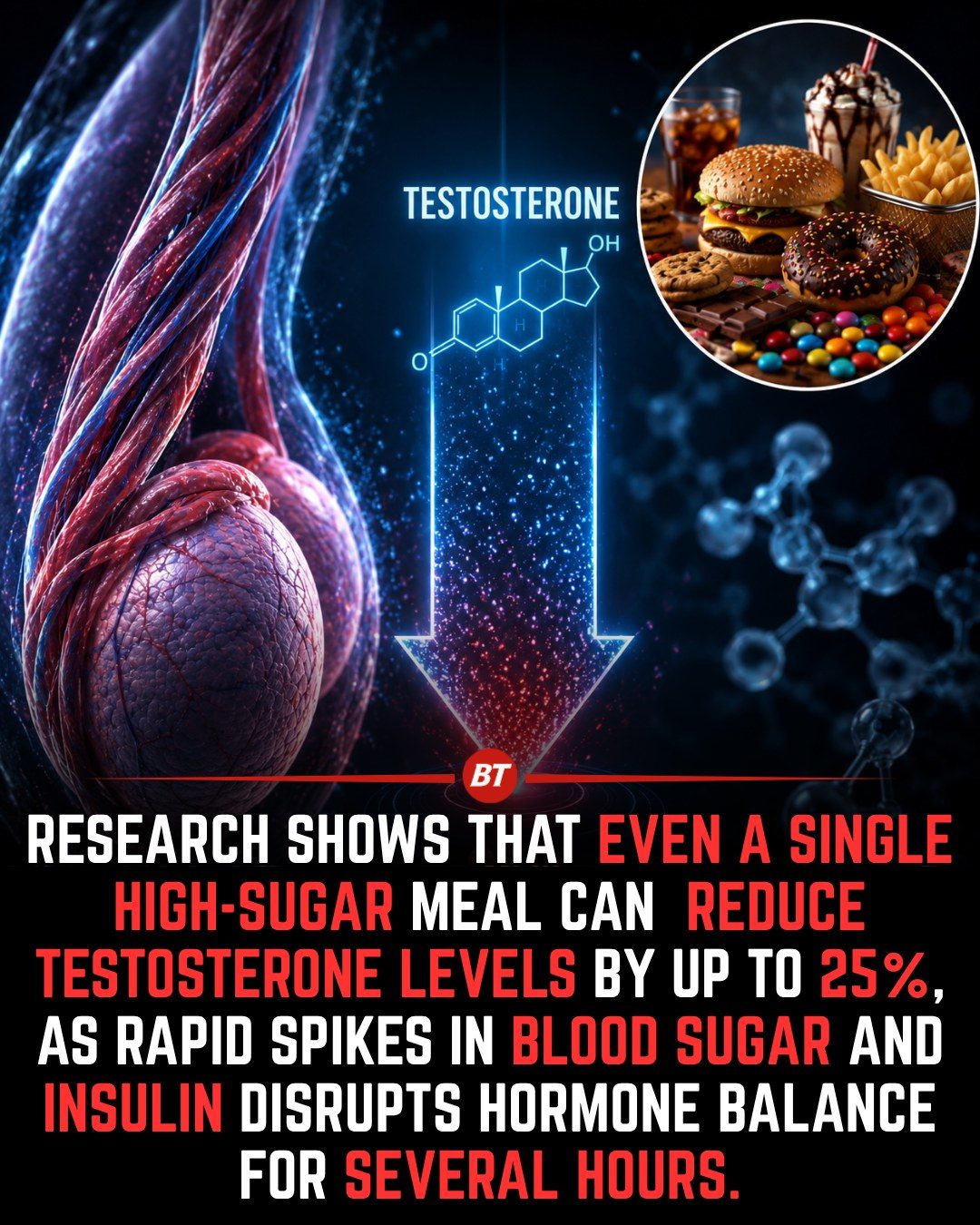
How Sugar Affects Testosterone Levels
Testosterone is a crucial hormone that plays a significant role in various bodily functions, particularly in men. While it's well-known that diet affects overall health, recent research has shed light on the specific impact of sugar consumption on testosterone levels. Understanding this relationship can help individuals make more informed dietary choices.
Why This Matters
The relationship between sugar intake and testosterone levels is particularly relevant for those looking to optimize their hormonal health and overall well-being. Sugar is a ubiquitous part of modern diets, often hidden in processed foods, beverages, and even seemingly healthy snacks. Comprehending its effects on testosterone can guide healthier eating habits.
The Impact of High-Sugar Meals on Testosterone
High-sugar meals can have a notable impact on testosterone levels in a relatively short period. Researchers have found that consuming a meal or drink high in added sugar, especially one that rapidly raises blood glucose, can lead to a temporary decrease in testosterone. In one frequently cited study, participants experienced a noticeable drop in circulating testosterone after consuming a glucose-rich drink. This effect was observed to last for several hours, with levels gradually returning to baseline.
The mechanism behind this change is linked to the body's insulin response and rapid shifts in blood sugar. When blood sugar levels spike, the body releases insulin to manage the glucose. This insulin surge can disrupt the delicate balance of hormones, leading to a temporary reduction in testosterone production. This disruption can last for several hours, during which the body works to restore hormonal equilibrium.
The Role of Insulin
Insulin, a hormone produced by the pancreas, plays a crucial role in regulating blood sugar levels. When blood sugar spikes, insulin is released to help cells absorb glucose for energy. However, this process can temporarily alter the body's hormone production and regulation. Testosterone, being a hormone, is affected by this fluctuation. The insulin response to high-sugar intake can temporarily lower testosterone levels, affecting muscle development, energy, and overall vitality.
Long-Term Effects of High-Sugar Diets
While the short-term effects of high-sugar meals on testosterone levels are temporary, the long-term consequences of a high-sugar diet can be more significant. Regular consumption of diets high in refined sugars can lead to poorer metabolic health. This, in turn, is associated with lower testosterone levels over time. Chronic high sugar intake is also linked to conditions like weight gain, insulin resistance, chronic inflammation, and increased cardiovascular risk. These factors collectively contribute to a decline in overall health and hormonal balance.
Balancing Blood Sugar for Hormonal Health
Balancing blood sugar levels is essential for maintaining hormonal health. Opting for meals that include a balance of protein, healthy fats, and fiber-rich carbohydrates can help maintain steady blood sugar levels. This balance ensures that insulin spikes are less frequent and less intense, promoting a more stable hormonal environment.
Choosing the Right Foods
Swapping sugary snacks for whole fruits, nuts, or yogurt can significantly support steadier blood sugar levels. These alternatives provide essential nutrients and fiber, which help slow down the absorption of sugar into the bloodstream. This slower absorption prevents rapid insulin spikes and helps maintain hormonal balance.
The Importance of Protein and Fiber
Protein and fiber are particularly important in managing blood sugar levels. Protein helps build and repair tissues, providing a sustained energy source. Fiber, on the other hand, slows down digestion, preventing rapid sugar absorption and promoting a more balanced insulin response.
Healthy Fats for Hormonal Balance
Healthy fats, such as those found in avocados, nuts, and olive oil, are crucial for hormonal health. They help regulate the production of hormones, including testosterone. Incorporating these fats into your diet can support a balanced hormonal environment and overall well-being.
Practical Tips for Managing Sugar Intake
Read Labels
Paying close attention to food labels can help you avoid hidden sugars. Many processed foods and beverages contain added sugars, even if they do not taste sweet. Learning to read and understand nutrition labels can help you make healthier choices.
Plan Your Meals
Meal planning can be an effective way to manage sugar intake. By planning your meals in advance, you can ensure that you have a variety of nutrient-dense foods available, reducing the temptation to reach for sugary snacks.
Stay Hydrated
Drinking plenty of water can help you feel full and reduce cravings for sugary treats. Staying hydrated is also essential for maintaining overall health and supporting hormonal balance.
Monitor Your Blood Sugar
For those with insulin resistance or diabetes, monitoring blood sugar levels is crucial. Regular monitoring can help you understand how different foods affect your blood sugar and make necessary adjustments to your diet.
Consult a Professional
If you are struggling with managing your sugar intake or have concerns about your hormonal health, consider consulting a healthcare professional or a registered dietitian. They can provide personalized advice and support to help you achieve your health goals.
Important Takeaways
- Rapid sugar spikes can disrupt hormonal balance, affecting testosterone levels.
- High-sugar diets contribute to poorer metabolic health and lower testosterone levels over time.
- Balanced meals with protein, healthy fats, and fiber-rich carbohydrates support steady blood sugar and hormonal health.
- Monitoring blood sugar and consulting professionals can help manage sugar intake and support overall health.
Conclusion
The relationship between sugar intake and testosterone levels is a critical aspect of hormonal health. By understanding how high-sugar meals can temporarily affect testosterone, individuals can make more informed dietary choices. Choosing balanced meals and managing sugar intake can support steady blood sugar levels, promoting a healthier hormonal environment. This approach not only benefits testosterone levels but also contributes to overall well-being and metabolic health.
Watch the Reel
Questions readers ask
How soon after consuming sugar can testosterone levels drop?
Testosterone levels can drop as quickly as 2 hours after consuming a high-sugar meal. This is due to the body's insulin response, which can cause a temporary decrease in testosterone production.
What types of foods are most likely to cause a testosterone drop?
Foods high in processed sugars, such as sodas, candy, baked goods, and many prepared meals, are most likely to cause a testosterone drop. These foods are often high in simple sugars, which can lead to a rapid increase in insulin levels.
Can reducing sugar intake help raise testosterone levels?
Yes, reducing sugar intake can help maintain and even raise testosterone levels. By limiting sugar, you can prevent the insulin spikes that lead to testosterone drops and promote healthier hormonal balance.
Are there any specific sugars that are worse for testosterone levels than others?
Sugars that cause a rapid spike in blood glucose, such as glucose, fructose, and sucrose, are more likely to cause a significant drop in testosterone levels. These sugars are often found in processed foods and sugary beverages.
How does sugar intake compare to other factors in affecting testosterone levels?
Sugar intake is just one factor among many that can affect testosterone levels. Others include exercise, sleep, stress, and overall diet quality. However, because sugar is so prevalent in many modern diets, managing sugar intake can be an important step in maintaining healthy hormone levels.
Is the impact of sugar on testosterone levels permanent?
The impact of sugar on testosterone levels is typically temporary, lasting for a few hours after the consumption of a high-sugar meal. However, consistently high sugar intake can lead to long-term hormonal imbalances.
Related deep dives
Similar reads based on topic and creator.




Recent articles
Fresh deep dives from the latest Reels we unpacked.




Comments
Be the first to comment.