Autonomous Cleaning in Tesla's Robotaxi Hub
Tesla's latest innovation in the automotive industry is centered around the automation of vehicle cleaning and maintenance. The company has installed an autonomous cleaning robot at its Austin robotaxi hub, as confirmed by a recent Texas building permit. This development is part of Tesla's broader vision to create a fully automated system where human intervention is minimized in driverless fleets. Here’s a comprehensive look at this new technology and why it is significant for the future of autonomous vehicles.
Context / Why This Matters
The integration of autonomous cleaning robots in Tesla's robotaxi hub is a significant step towards achieving a completely driverless fleet. Cleaning is one of the last remaining tasks in a driverless fleet that still requires human intervention. Every minute a robo-taxi waits for a cleaning crew is a minute it isn't earning revenue. Tesla’s vision for an efficient, human-free inspection and maintenance process is crucial for maximizing the productivity of its autonomous fleet.
This autonomous system is part of a larger $500,000 renovation at the Austin hub, covering an area of 7,500 square feet. The hub is equipped with supercharger cabinets and an equipment inspection system, all aimed at ensuring that the vehicles are ready to deploy without delay. The installation of the cleaning robot at Tesla’s Austin RoboTaxi hub on East Ben White Boulevard is a clear indication of the company's commitment to advancing this technology.
Main Discussion
The Role of the Autonomous Cleaning Robot
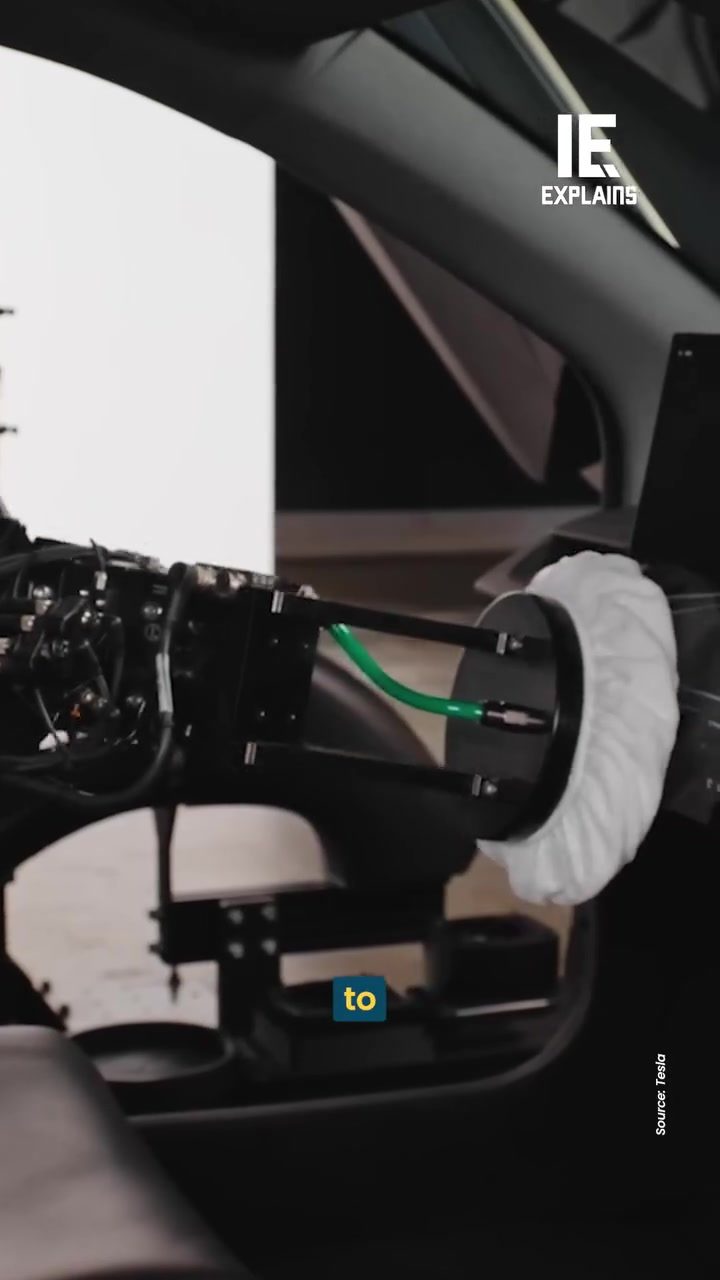
At the heart of Tesla's new cleaning system is an autonomous robot specifically designed to clean vehicles. This robot can handle various tasks such as vacuuming debris, picking up trash, and wiping down surfaces. The robot was first showcased in a short film at the We, Robot event in October 2024, where it was seen vacuuming a Cybercab and wiping down its touchscreen. Later, Tesla released a full video with the caption, "This robot sucks," highlighting the robot's capability to swap between different attachments to perform various cleaning tasks.
The Automation Process
The cleaning robot is part of an end-to-end automated system designed to handle multiple routines in addition to cleaning. This includes charging, inspection, and maintenance of the vehicles. The robot’s integration into the hub allows for a seamless transition between different tasks, ensuring that the vehicles are always ready to go. The goal is to create a hub where a Cybercab can drop off passengers, charge, get inspected, get cleaned, and head back out onto the road without any human intervention. This vision ensures that the fleet operates at maximum efficiency, with minimal downtime.
The Impact on Driverless Fleets
The introduction of the cleaning robot is a significant improvement in the overall efficiency of driverless fleets. By automating the cleaning process, Tesla aims to eliminate one of the remaining tasks that require human involvement. This means that the vehicles can spend more time on the road and less time waiting for maintenance, thereby increasing their earning potential and overall productivity. The automation also ensures that the cleaning process is consistent and thorough, maintaining the vehicles in optimal condition.
The Economic Benefits
The economic benefits of this system are substantial. By reducing the need for human labor in cleaning, Tesla can significantly cut down on operating costs. Additionally, the consistent and efficient cleaning process ensures that the vehicles remain in good condition, reducing the need for costly repairs and maintenance. This, in turn, enhances the overall profitability of the robotaxi fleet.
The Future of Autonomous Vehicle Maintenance
Tesla’s move to automate the cleaning process is just the beginning. The company has a long-term vision of creating a fully automated hub where all aspects of vehicle maintenance and inspection are handled without human intervention. This includes not just cleaning but also charging, repairs, and other routine maintenance tasks. The ultimate goal is to create a seamless, human-free operation where the vehicles can operate 24/7 without any downtime.
Practical Tips
For Tesla and Other Automakers
Tesla’s approach to automating the cleaning process offers valuable insights for other automakers looking to enhance the efficiency of their autonomous fleets. Here are some practical tips:
- Invest in Automation: The key to maximizing the productivity of autonomous fleets is to invest in automation. This includes not just cleaning but also other maintenance tasks.
- Integrate Multiple Systems: Efficient operation requires the integration of various systems, including charging, inspection, and maintenance. This ensures a seamless transition between different tasks.
- Prioritize Efficiency: Focus on reducing downtime and increasing the earning potential of the vehicles. This can be achieved through consistent and thorough maintenance processes.
For Consumers
For consumers, the presence of an automated cleaning system means that they can expect a more reliable and efficient service from autonomous vehicles. Here are a few tips:
- Take Advantage of the Service: Use the automated cleaning service to ensure that the vehicle remains in good condition.
- Provide Feedback: Offer feedback to the automaker about the cleaning process. This can help improve the service and ensure that it meets your expectations.
For Policymakers
For policymakers, the automation of vehicle maintenance and inspection presents an opportunity to enhance safety and efficiency in the automotive industry. Here are some key considerations:
- Promote Autonomy: Policies should promote the development and adoption of autonomous technologies in the automotive sector.
- Support Infrastructure Development: Provide support for the development of infrastructure that supports autonomous vehicles, including automated maintenance and inspection systems.
Important Takeaways
- The installation of an autonomous cleaning robot at Tesla’s Austin RoboTaxi hub is a significant step towards creating a fully automated, driverless fleet.
- The robot is part of a larger $500,000 renovation at the hub, aimed at ensuring that the vehicles are always ready to deploy.
- The robot can handle various cleaning tasks, including vacuuming debris, picking up trash, and wiping down surfaces.
- The automation of the cleaning process is crucial for maximizing the productivity of the fleet, reducing downtime, and increasing earning potential.
- Tesla’s long-term vision includes creating a fully automated hub where all aspects of vehicle maintenance and inspection are handled without human intervention.
- The integration of multiple systems, including charging, inspection, and maintenance, is key to achieving this vision.
- Policymakers should promote the development and adoption of autonomous technologies in the automotive sector.
Conclusion
Tesla’s installation of an autonomous cleaning robot at its Austin robotaxi hub is a significant development in the world of autonomous vehicles. By automating the cleaning process, Tesla is taking a crucial step towards creating a fully automated, driverless fleet. This move not only enhances the efficiency and productivity of the fleet but also sets a new standard for vehicle maintenance and inspection. As the technology continues to evolve, it will be interesting to see how other automakers and industries adopt similar systems to improve efficiency and reduce costs.
Watch the Reel
Questions readers ask
How does Tesla's autonomous cleaning robot improve robotaxi fleet efficiency?
Tesla's autonomous cleaning robot enhances fleet efficiency by minimizing downtime between trips. With this robot handling cleaning tasks, robotaxis spend more time on the road and less time waiting for manual cleaning services. This ensures that the fleet remains operational at a significantly higher capacity, maximizing revenue and minimizing idle periods.
What kind of cleaning tasks can the autonomous cleaning robot perform at the Tesla robotaxi hub in Austin?
The robot is designed to handle a variety of cleaning tasks, including exterior washing, interior vacuuming, and window wiping. This comprehensive approach ensures that the robotaxis are always presented in a clean and well-maintained condition.
Why is Texas involved in Tesla's autonomous vehicle maintenance innovations?
Texas, specifically Austin, is the location of Tesla's robotaxi hub, where the autonomous cleaning robot is currently deployed. This site serves as a testing ground for Tesla's latest innovations in autonomous vehicle maintenance, allowing the company to gather data and refine its technologies.
How does the introduction of an autonomous cleaning robot affect human labor in the Tesla robotaxi fleet?
The introduction of the autonomous cleaning robot reduces the need for human labor in cleaning tasks. This shift enables Tesla to reassign human resources to other areas of the operation, focusing on tasks that require human judgment and oversight, such as vehicle inspections and customer service.
Can the autonomous cleaning robot handle vehicle maintenance tasks beyond cleaning?
Currently, the autonomous cleaning robot is specifically designed for cleaning tasks. However, Tesla's broader vision includes expanding its autonomous capabilities to encompass more maintenance tasks, contributing to an increasingly self-sustaining robotaxi fleet.
What is the significance of the Texas building permit in relation to the Tesla robotaxi hub?
The Texas building permit confirms the installation of the autonomous cleaning robot at Tesla's robotaxi hub in Austin. It serves as a formal acknowledgment of the infrastructure updates required to support this advanced technology, highlighting Tesla's commitment to advancing autonomous vehicle maintenance in a real-world setting.
How does the autonomous cleaning robot contribute to the future of Tesla's driverless fleet?
By automating cleaning tasks, the robot moves Tesla one step closer to a fully automated driverless fleet. This reduces the reliance on human intervention, enhances operational efficiency, and ensures a consistent level of cleanliness and maintenance for the robotaxis, ultimately improving the overall user experience.
Related deep dives
Similar reads based on topic and creator.


Recent articles
Fresh deep dives from the latest Reels we unpacked.




Comments
Be the first to comment.