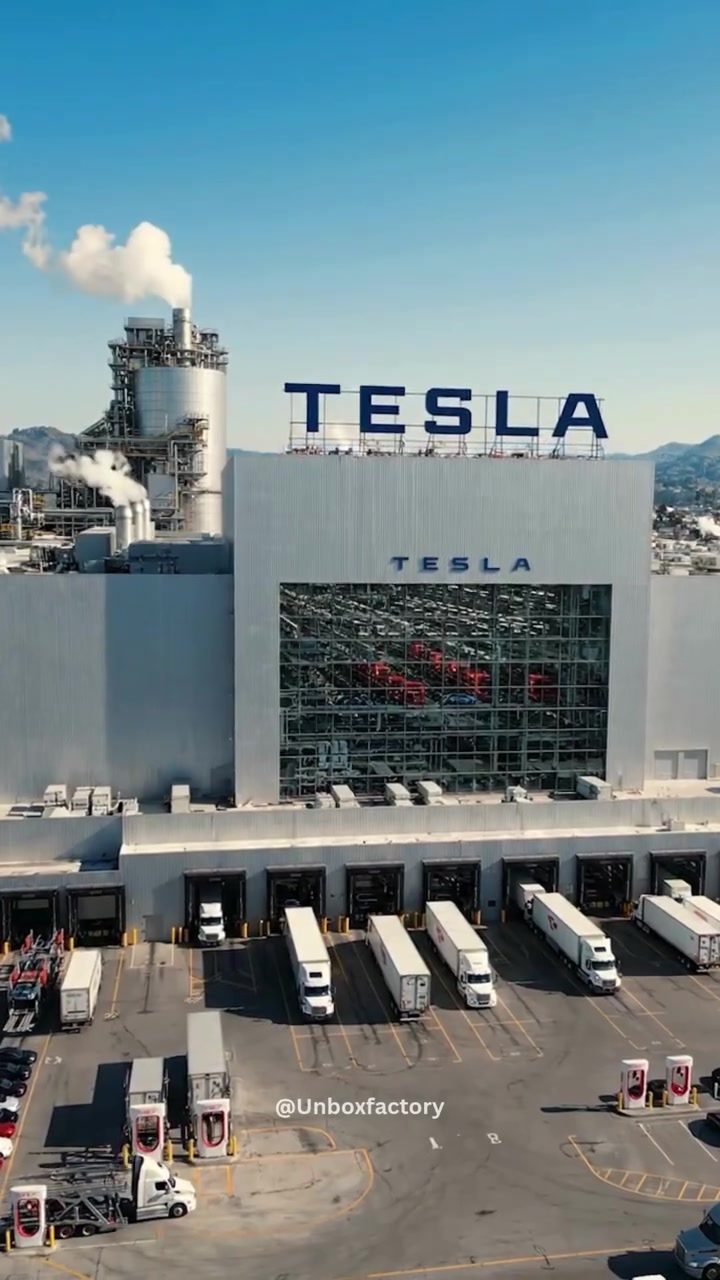
Tesla's Shift from Cars to Robots at Fremont Factory
Tesla's recent announcement to halt Model S and Model X production at its Fremont factory by the second quarter of 2026 marks a significant pivot in the company's strategic direction. This move signals a clear shift towards the production of Optimus, Tesla's humanoid robot, and underscores Elon Musk's vision for the company's future.
Context / Why this matters
The transition of the Fremont factory from automobile manufacturing to robot production is a bold step that reflects Tesla's ambitious plans for the Optimus robot. This shift is not merely about changing production lines; it represents a strategic bet on the future of humanoid robots in both consumer and commercial markets.
Main discussion
The Fremont Factory Transition
The Fremont factory, which has been the backbone of Tesla's electric vehicle production for over a decade, is set to undergo a transformative change. By Q2 2026, the lines that once churned out Model S and Model X vehicles will be dedicated to manufacturing Optimus robots. This transition targets an annual production of one million Optimus units, a scale that underscores Tesla's commitment to robotic technology.
Gigafactory Texas Expansion
In parallel with the Fremont conversion, Tesla is investing heavily in a 5.2 million square foot expansion at its Gigafactory Texas. This expansion aims to produce ten million robots annually by 2027. The sheer scale of this operation would make it the largest humanoid robot manufacturing facility in history, surpassing the cumulative global deployment of industrial robots by all manufacturers combined.
Capital Investment
Tesla's 2026 capital expenditure exceeded $25 billion, with a significant portion allocated to Optimus infrastructure rather than vehicle production. This financial commitment highlights the company's confidence in the potential of Optimus and its significance to Tesla's future. The investment is not just about manufacturing capacity; it's about building an entirely new ecosystem around humanoid robots.
Optimus: The Future of Tesla
Elon Musk has described Optimus as potentially more significant than Tesla's entire vehicle business. This statement underscores the transformative potential Musk sees in humanoid robots. The Fremont factory, with its decade-long expertise in electric car production, is now applying this knowledge to mass-produce a general-purpose humanoid robot for consumer and commercial deployment. This is an unprecedented endeavor, as no factory has ever attempted to mass-manufacture humanoid robots at this scale.
Practical tips
For those interested in the future of robotics and Tesla's strategic moves, here are some practical considerations:
-
Stay Informed: Keep an eye on Tesla's announcements and updates regarding Optimus and the progress at the Gigafactory Texas. The company's official channels and industry news outlets will provide the most current information.
-
Invest Wisely: If you are an investor, consider the implications of Tesla's shift towards robotics. The company's significant investment in Optimus infrastructure suggests a strong belief in the future of humanoid robots.
-
Explore Robotics Trends: Understand the broader trends in the robotics industry. The shift towards humanoid robots is part of a larger movement towards automation and artificial intelligence, which could have far-reaching implications for various sectors.
Important takeaways
-
Strategic Shift: Tesla's decision to end Model S and Model X production at Fremont and convert those lines to Optimus manufacturing signals a clear strategic shift towards humanoid robots.
-
Mass Production: The Fremont conversion targets one million Optimus units annually, while the Gigafactory Texas expansion aims for ten million robots per year by 2027.
-
Investment: Tesla's $25 billion capital expenditure for 2026, predominantly dedicated to Optimus infrastructure, underscores the company's belief in the future of humanoid robots.
-
Potential Impact: Optimus is seen as potentially more significant than Tesla's entire vehicle business, reflecting Elon Musk's vision for the future of technology and automation.
Conclusion
Tesla's shift from producing electric vehicles to manufacturing humanoid robots at its Fremont factory is a monumental move that could redefine the future of automation and robotics. With significant investments and ambitious production targets, Tesla is poised to lead the way in mass-producing humanoid robots, potentially transforming industries and consumer markets alike. As the world watches this transition unfold, it's clear that Tesla's future lies in the realm of robotics, and Optimus is at the forefront of this exciting new frontier.
Watch the Reel
Questions readers ask
Why is Tesla ending Model S and X production at the Fremont factory?
Tesla has decided to end Model S and X production at the Fremont factory by 2026 to make way for the production of Optimus robots. This decision is part of a broader strategy to focus on robotics and automation. It signals the company's plan to transition towards a future where Optimus robots become a primary product.
What is the Optimus robot and why is Tesla investing in it?
The Optimus robot is a humanoid robot developed by Tesla. The company is investing heavily in its production because it believes in the potential of humanoid robots in both consumer and commercial markets. Tesla aims to produce millions of Optimus units annually, indicating a significant commitment to this new direction.
What does the Fremont factory transformation entail?
The transformation of the Fremont factory involves replacing the production lines for Model S and X cars with those for Optimus robots. This is a complex process that includes retooling the facility, training staff, and integrating new manufacturing processes to support large-scale robot production.
When will the Fremont factory start producing Optimus robots?
Tesla plans to begin producing Optimus robots at the Fremont factory in 2026, following the end of Model S and X production. This timeline allows for the necessary adjustments and preparations to ensure a smooth transition from automobile manufacturing to robotics.
How does this shift align with Tesla's automation strategy?
This shift aligns perfectly with Tesla's automation strategy. By focusing on the production of Optimus robots, Tesla is positioning itself at the forefront of the automation revolution. The company aims to leverage its expertise in technology and manufacturing to lead the way in robotics, further solidifying its innovative reputation.
Related deep dives
Similar reads based on topic and creator.

Recent articles
Fresh deep dives from the latest Reels we unpacked.




Comments
Be the first to comment.