AI and Deepfakes: The Emergence of DB Agent Memory
AI and deepfake technology have been making waves in the tech world, pushing the boundaries of what machines can achieve. At the forefront of this innovation is Tencent, a leading tech company that has recently released a groundbreaking memory system for AI agents. This system, called Tencent DB Agent Memory, aims to give AI agents human-like long-term recall, solving a critical problem in agentic use: the lack of consistent memory across sessions.
How AI Agents Work
Before diving into the specifics of Tencent's innovation, it's important to understand the current limitations of AI agents. Traditionally, every AI agent starts from scratch. Close it, open a new one, and it has no idea who you are, what you prefer, or what you were working on last week. This lack of continuity can be frustrating for users, as it means the AI agent needs to be repeatedly informed of the same information, which increases token costs and reduces efficiency.
The Four-Tier Memory System in Tencent DB Agent Memory
Tencent DB Agent Memory addresses this issue with a four-tier memory system that mimics the way the human brain processes information. Here’s how it works:
- Short-Term Memory: This handles immediate information, similar to how your brain processes what's happening right now. It ensures that the AI agent can respond to current queries and tasks efficiently.
- Long-Term Memory: This stores habits, preferences, and personality traits over time. The system observes user interactions, pulls out key facts such as preferred programming languages (e.g., Python) or a preference for concise responses, and stores them in a structured manner.
- Ephemeral Memory: This layer deals with temporary information that may not be relevant after a certain period but is crucial for immediate tasks. For example, it might store information about a recent query that is essential for the next few interactions but not beyond.
- Permanent Memory: This is where the AI stores long-term data that is crucial for understanding the user over extended periods. It ensures that the AI agent can recall previous interactions and preferences, even after long periods of inactivity.
Benefits of Tencent DB Agent Memory
Tencent DB Agent Memory offers several significant benefits:
- Improved Context Retention: By storing user preferences and habits, the AI agent can maintain context across sessions, reducing the need to re-explain basic information.
- Cost Efficiency: The system cuts token costs by 61% by not needing to reread the same background information every session. This makes interactions more cost-effective and efficient.
- Increased Task Success: Task success rates improve by over 50% because the AI agent has a more comprehensive understanding of the user's needs and preferences.
- Open-Source and Local: The system is fully open-source and runs locally, making it accessible and customizable for developers and users.
Deepfakes: The Ethical Implications
Deepfake technology, which allows for the creation of realistic but fake videos, images, or audio, has raised significant ethical concerns. The ability to create convincing but false representations of people can be used for malicious purposes, such as spreading misinformation or defamation. However, it also has potential applications in entertainment, education, and art.
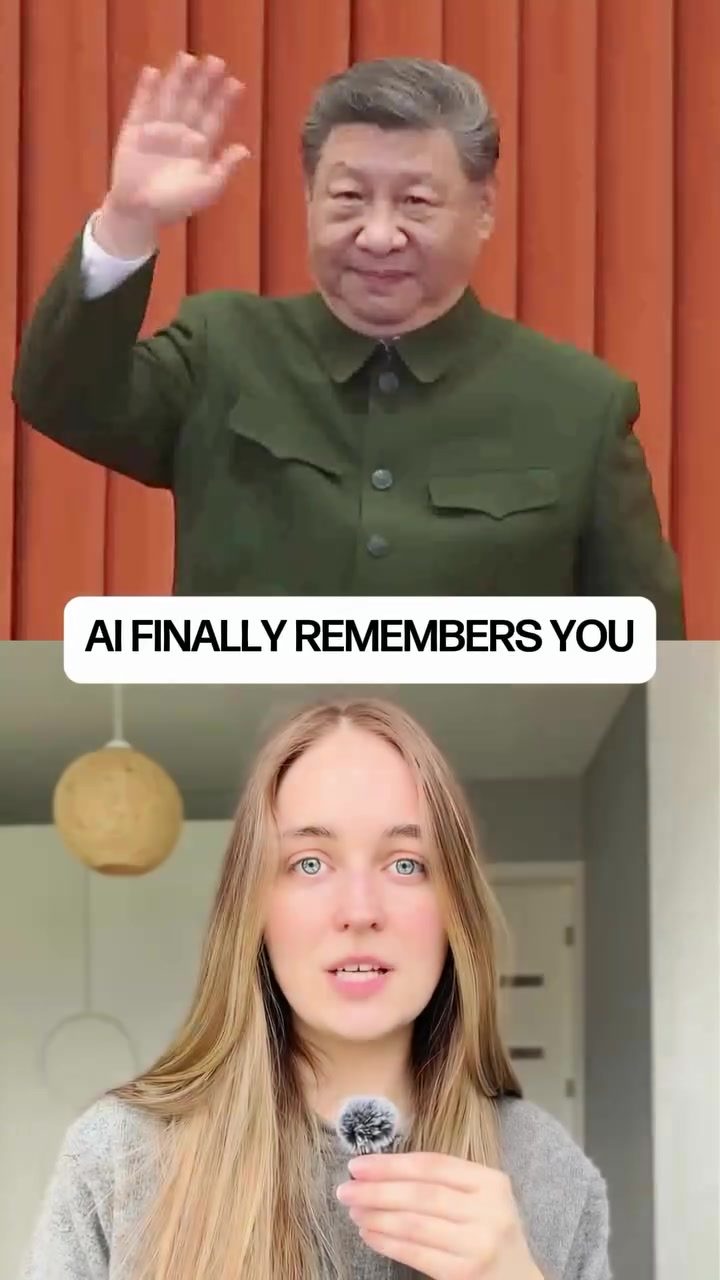
The demonstration of a deepfake of Xi Jinping waving, combined with a young woman looking directly at the camera, highlights the current capabilities of AI to create realistic impersonations. This technology can be both fascinating and unsettling, underscoring the need for ethical guidelines and regulations to ensure its responsible use.
Practical Tips for Implementing AI Memory Systems
If you're considering implementing an AI memory system like Tencent DB Agent Memory, here are some practical tips to keep in mind:
- Understand Your Needs: Determine the specific use cases for your AI agent and what kind of memory retention would be most beneficial.
- Customize the System: Leverage the open-source nature of the system to customize it to your specific needs. This could involve tweaking the memory layers to better suit your application.
- Monitor and Iterate: Continuously monitor the performance of your AI agent and make adjustments as needed. User feedback and performance metrics will be crucial in refining the system.
- Ethical Considerations: Ensure that any use of deepfake technology is ethical and transparent. Inform users about the use of AI-generated content and obtain consent where necessary.
Important Takeaways
- Human-Like Recall: Tencent DB Agent Memory provides AI agents with human-like long-term recall, enhancing their usability and efficiency.
- Cost and Efficiency: The system significantly reduces token costs and improves task success by maintaining context across sessions.
- Ethical Use: Deepfake technology, while powerful, requires careful ethical considerations to prevent misuse.
Conclusion
AI and deepfake technology are revolutionizing the way we interact with machines. Tencent DB Agent Memory represents a significant step forward in making AI agents more human-like and efficient. As this technology continues to evolve, it will be crucial to balance its potential with ethical considerations, ensuring that it benefits society while minimizing risks. By understanding and implementing systems like Tencent DB Agent Memory, we can harness the power of AI to create more intuitive and effective user experiences.
Watch the Reel
Questions readers ask
What is the main goal of Tencent's DB Agent Memory system?
Tencent's DB Agent Memory system aims to enhance AI capabilities by enabling agents to retain and recall information across multiple sessions, mimicking human-like long-term memory. This helps maintain consistency and relevance in interactions, making AI agents more efficient and user-friendly.
How does the DB Agent Memory system address context loss in AI interactions?
The DB Agent Memory system uses a four-tier memory architecture to address the common issue of AI agents losing context between interactions. This architecture allows AI agents to maintain a consistent understanding of previous interactions, ensuring that users do not have to repeat information.
What are the benefits of AI agents having human-like recall?
AI agents with human-like recall can provide a more seamless and personalized user experience. They can remember user preferences, maintain context across sessions, and offer more relevant responses, making interactions with AI more intuitive and efficient.
Can other developers use Tencent's DB Agent Memory system for their AI projects?
As of now, the article does not specify whether Tencent's DB Agent Memory system is open source. To find out if other developers can use this technology for their AI projects, it would be best to check Tencent's official announcements or contact their development team directly.
What is the significance of a four-tier memory architecture in AI agents?
The four-tier memory architecture in Tencent's DB Agent Memory system is significant because it allows for a more structured and efficient way to store and retrieve information. This architecture helps AI agents maintain long-term memory, short-term memory, and contextual awareness, making interactions more coherent and user-friendly.
How does Tencent's DB Agent Memory system improve AI agent efficiency?
By enabling AI agents to maintain context and recall information across sessions, Tencent's DB Agent Memory system reduces the need for users to repeatedly provide the same information. This not only saves time but also makes the AI agent's responses more accurate and relevant, thereby improving overall efficiency.
What are the potential use cases for AI agents with improved recall capabilities?
AI agents with improved recall capabilities can be beneficial in various scenarios, such as customer service, where maintaining context across multiple interactions is crucial. They can also enhance personal assistants, healthcare chatbots, and other applications where consistency and relevance are key to user satisfaction.
Related deep dives
Similar reads based on topic and creator.




Recent articles
Fresh deep dives from the latest Reels we unpacked.


Comments
Be the first to comment.