Fast Food Consumption and the Risks of Severe Nutritional Deficiencies
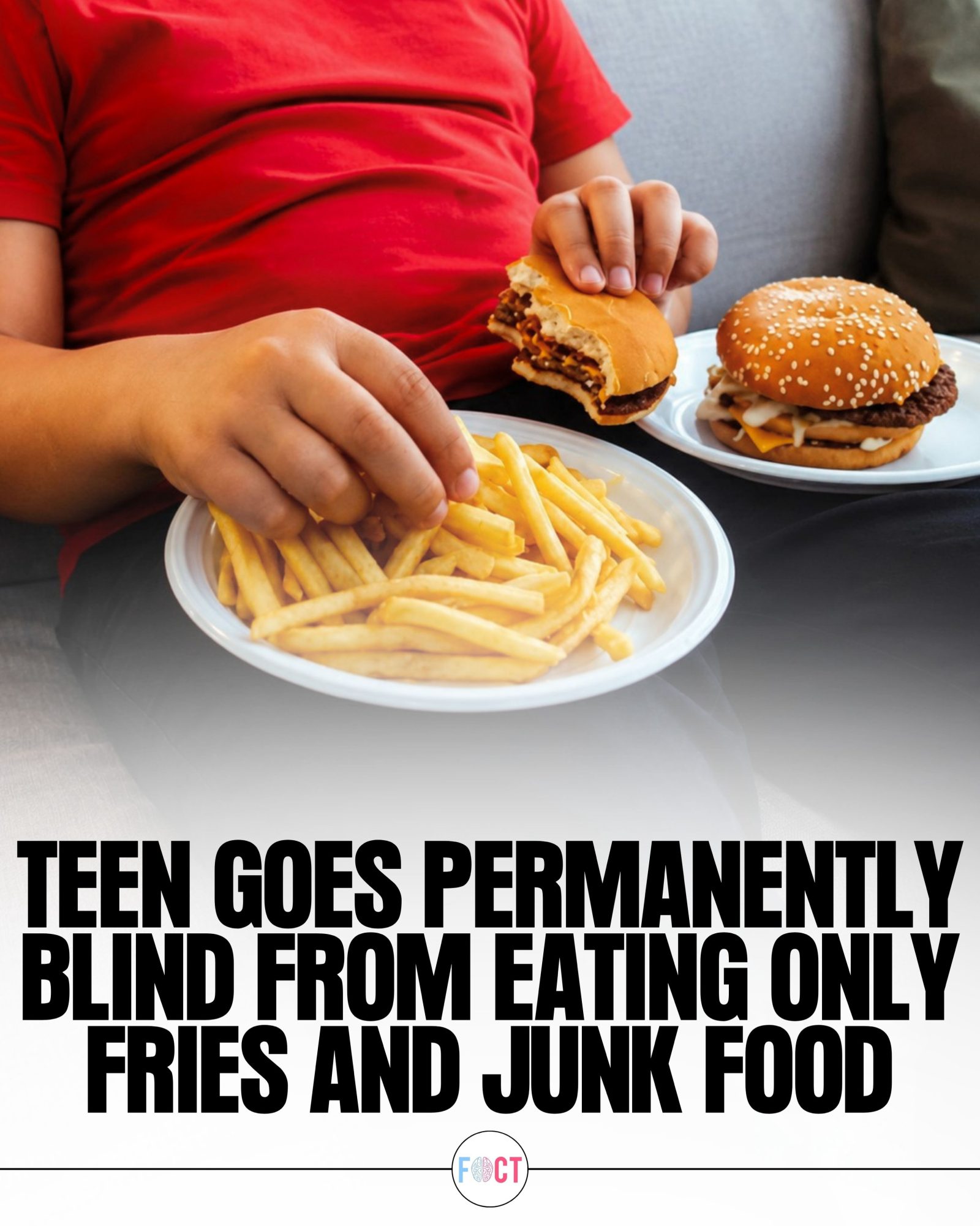
A 12-year-old boy in the United States suffered irreversible vision loss after years of consuming a diet restricted to plain hamburgers, doughnuts, and similarly nutritionally vacant foods. This tragic case highlights the critical importance of a balanced diet rich in essential vitamins and minerals, not just for overall health but for preserving fundamental bodily functions like eyesight.
Why This Matters
Extreme selective eating, such as the consumption of only plain hamburgers and doughnuts, can lead to severe nutrient deficiencies that have devastating consequences. In this case, the boy was diagnosed with Avoidant/Restrictive Food Intake Disorder (ARFID), a condition marked by severely rigid eating patterns and a profound lack of interest in food. This often results in dangerous nutritional gaps that can affect various aspects of health, including vision.
Understanding ARFID
What is ARFID?
ARFID is a recognized eating disorder characterized by the avoidance or restriction of food intake that can lead to significant nutritional deficiencies. Unlike anorexia nervosa or bulimia, ARFID is not driven by concerns about body image. Instead, it is often associated with a lack of interest in eating, sensory sensitivities, or fears related to food. This condition can affect people of all ages but is particularly concerning in children and adolescents, whose bodies are still developing.
Symptoms and Diagnosis
The symptoms of ARFID can vary but often include:
- Avoidance of Certain Foods: This can be due to sensory issues, such as texture or taste, or fear of choking or vomiting.
- Restricted Food Intake: Individuals with ARFID may have a limited range of foods they are willing to eat, often leading to an unbalanced diet.
- Weight Loss or Failure to Thrive: Due to inadequate nutrient intake, children and adolescents with ARFID may experience stunted growth.
- Nutrient Deficiencies: The lack of a balanced diet can lead to deficiencies in essential vitamins and minerals, affecting various bodily functions.
The Dangers of Nutritional Deficiencies
Nutrient deficiencies can have far-reaching effects on the body, affecting everything from energy levels to organ function. In the case of the 12-year-old boy, a diet lacking in essential vitamins and minerals led to irreversible vision loss. This highlights the importance of a balanced diet rich in a variety of nutrients.
Common Nutrient Deficiencies and Their Effects
- Vitamin A Deficiency: This can lead to night blindness, dryness of the skin, and increased susceptibility to infections.
- Vitamin B12 Deficiency: Common symptoms include fatigue, weakness, and neurological problems.
- Iron Deficiency: This can cause anemia, leading to fatigue, weakness, and impaired cognitive function.
- Calcium Deficiency: Inadequate calcium intake can lead to weakened bones and an increased risk of fractures.
The Importance of a Balanced Diet
A balanced diet is one that includes a variety of foods from different food groups, providing the body with the necessary nutrients to function optimally. This includes:
- Fruits and Vegetables: Rich in vitamins, minerals, and fiber.
- Proteins: Essential for muscle growth and repair.
- Whole Grains: Provide energy and fiber.
- Dairy Products: A good source of calcium and vitamin D.
- Healthy Fats: Found in foods like avocados, nuts, and olive oil.
Practical Tips for a Balanced Diet
For Parents and Caregivers
- Introduce a Variety of Foods: Offer a range of foods to encourage a balanced diet.
- Make Mealtimes Enjoyable: Avoid forcing children to eat but make mealtimes a positive experience.
- Model Healthy Eating: Children often mimic the behavior of their parents, so setting a good example can be very effective.
- Consult a Professional: If your child shows signs of ARFID or has a restricted diet, consult a healthcare provider or a registered dietitian.
For Individuals with ARFID
- Gradual Exposure: Slowly introduce new foods in a controlled environment.
- Seek Professional Help: A registered dietitian can provide personalized advice and support.
- Track Progress: Keep a food diary to monitor nutrient intake and identify any deficiencies.
- Stay Informed: Learn about the nutritional content of different foods to make informed choices.
Important Takeaways
- ARFID is a real and serious condition that can lead to severe nutritional deficiencies and health issues.
- A balanced diet is essential for overall health and the proper functioning of the body.
- Seeking professional help can provide personalized advice and support for managing ARFID.
Conclusion
The case of the 12-year-old boy who suffered irreversible vision loss due to a severely restricted diet serves as a stark reminder of the importance of a balanced diet. By understanding the risks of nutritional deficiencies and taking steps to ensure a varied and nutrient-dense diet, we can help prevent such devastating health issues. Whether you are a parent, caregiver, or an individual with ARFID, making informed choices about nutrition can have a profound impact on overall health and well-being.
Watch the Reel
Questions readers ask
How did a diet of primarily junk food lead to blindness in a 12-year-old?
The boy's diet lacked essential vitamins and minerals, particularly vitamin A, which is crucial for maintaining good vision. Prolonged deficiency in these nutrients can cause irreversible damage to the eyes, leading to vision loss.
What is Avoidant/Restrictive Food Intake Disorder (ARFID) and how is it related to this case?
ARFID is a condition where individuals have severely limited food preferences and avoid eating certain foods, leading to inadequate nutrient intake. In this case, the boy's restrictive eating habits contributed to a diet that was too narrow and lacking in vital nutrients, resulting in serious health issues.
What are the most critical nutrients missing from a junk food diet?
A diet high in junk food often lacks essential vitamins and minerals like vitamin A, vitamin B12, iron, and calcium. These nutrients are crucial for various bodily functions, including vision, blood health, and bone strength. Deficiency in these nutrients can lead to severe health problems, including blindness.
Can a junk food diet have other health implications besides blindness?
Yes, a diet high in junk food and low in essential nutrients can lead to various health problems, including anemia, weak bones, and a compromised immune system. Long-term consumption of such a diet can also increase the risk of chronic diseases like heart disease and diabetes.
How can parents ensure their teens are eating a balanced diet?
Parents can encourage their teens to consume a variety of foods from all food groups, including fruits, vegetables, whole grains, lean proteins, and dairy. It's also important to limit the intake of processed and fast foods, and to promote family meals and healthy snacking habits. Regular consultations with a healthcare provider can help monitor any potential nutritional deficiencies.
What are the signs of nutrient deficiency in teens?
Signs of nutrient deficiency in teens can include fatigue, frequent illnesses, poor growth or development, changes in skin or hair, and vision problems. Teens may also experience mood swings, difficulty concentrating, and weakened bones. If you notice these signs, it's important to consult a healthcare provider for a thorough evaluation and appropriate intervention.
Can nutrient deficiency blindness be reversed?
In many cases, nutrient deficiency blindness is irreversible, especially if the deficiency has been prolonged and caused permanent damage to the eyes. Early intervention and treatment with appropriate nutrient supplements can sometimes prevent or limit vision loss, but the damage is often permanent once it occurs. Early awareness of good dietary practices is key.
Recent articles
Fresh deep dives from the latest Reels we unpacked.




Comments
Be the first to comment.