Self-Driving Car Incident
Self-driving cars are becoming more common on our roads, and with that comes a new set of rules and expectations. Recently, in San Mateo, two 15-year-olds climbed into a driverless ZOOK car, thinking they had found a private space for mischief. They were wrong. The incident highlights the capabilities and oversight mechanisms of autonomous vehicles, offering insights into their role in public safety.
Context / Why this matters
The incident involving the two teenagers in San Mateo underscores a critical point about self-driving cars: they are not just private, moving rooms. Autonomous vehicles like the ZOOK are equipped with advanced monitoring systems, remote assistance capabilities, and the ability to alert authorities when something dangerous happens. This means that even without a human driver, these vehicles can play a significant role in maintaining public order and safety.
Main discussion
The Incident
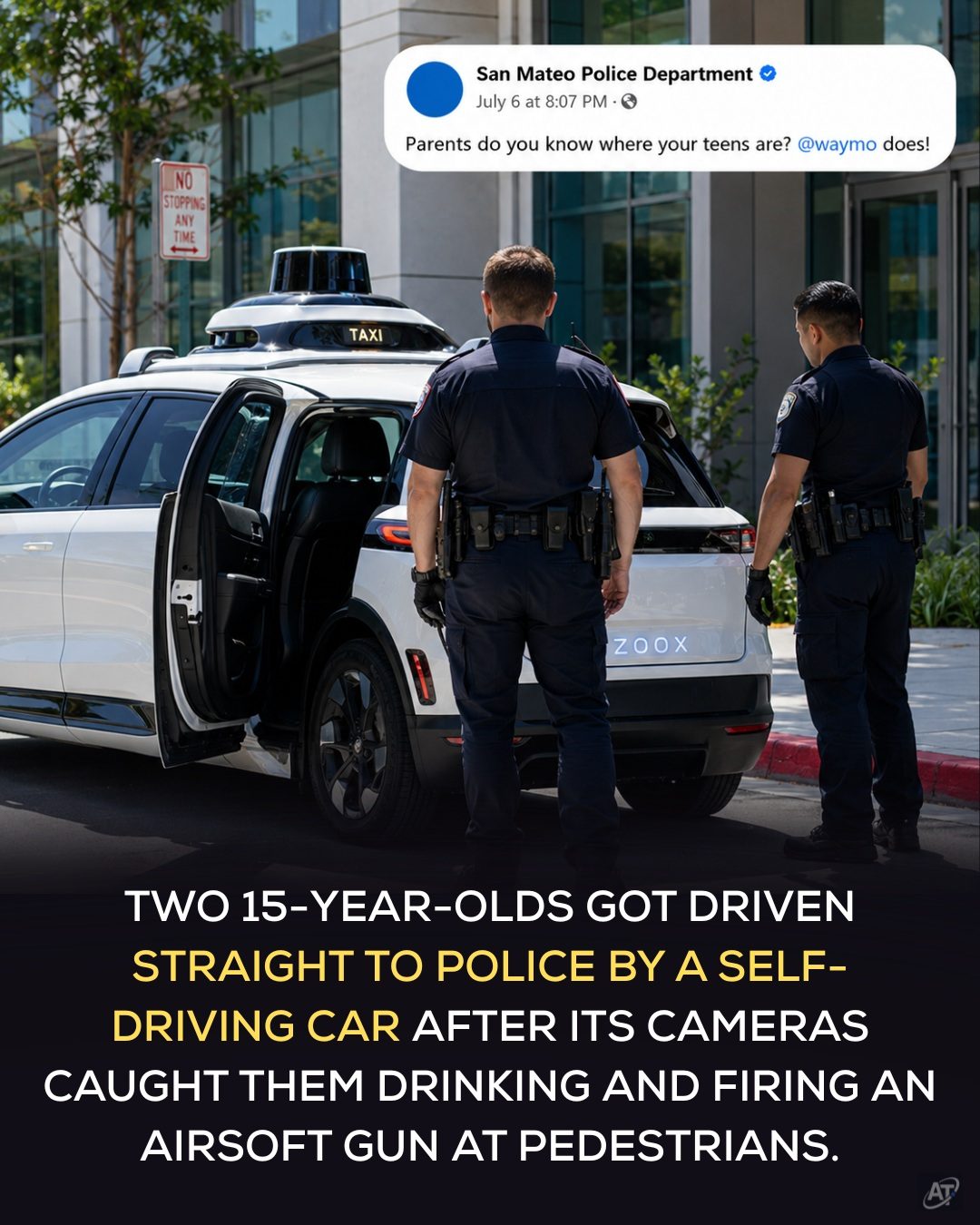
The two teenagers, aged 15, climbed into a ZOOK self-driving car in San Mateo. Unaware of the vehicle's monitoring capabilities, they began drinking alcohol and firing Orbeez-style water beads from gel blasters out the windows. The reckless behavior didn't go unnoticed. The ZOOK's monitoring system detected the activity and alerted the authorities. The vehicle was then remotely guided into a parking lot, where the teens were met by police officers.
The police detained the teenagers, searched the vehicle, and found the gel blasters and alcohol. The teens were later released to their parents, and the case was referred for possible charges. The incident was summed up by the San Mateo Police Department with a line that went viral: “Parents, do you know where your teens are? ZOOK does.”
The Role of Autonomous Vehicles in Public Safety
Self-driving cars like the ZOOK are equipped with various monitoring systems and cameras that can detect unusual or dangerous activities. In this case, the car's monitoring system identified the teenagers' behavior and alerted the police. This capability highlights the potential of autonomous vehicles to assist in public safety and law enforcement.
The ZOOK car's ability to contact the police and remotely guide itself to a parking lot demonstrates its advanced remote assistance features. This means that even when there is no human driver, these vehicles can still function effectively and assist in managing public safety. The incident underscores the importance of recognizing that autonomous vehicles are not just for transportation but also play a role in maintaining public order.
Public Perception and Misconceptions
The viral nature of the story and the immediate public reaction labeling the car a "snitch" indicate a misunderstanding of the true capabilities and purposes of autonomous vehicles. While the term "snitch" might be used lightly, it highlights a broader misconception that self-driving cars are isolated, private spaces.
In reality, these vehicles are designed with multiple layers of monitoring and safety features. They are equipped to alert authorities in case of dangerous activities, ensuring that public spaces remain safe and secure.
Practical tips
Understanding the Capabilities of Self-Driving Cars
Autonomous vehicles like the ZOOK are more than just advanced transportation options. They are equipped with comprehensive monitoring systems and remote assistance features. It's essential to understand that these vehicles are designed to enhance public safety, and their capabilities go beyond just driving.
Being Aware of Monitoring Systems
Self-driving cars are equipped with various monitoring systems, including cameras and sensors, which can detect unusual activities. It's important to remember that these systems are in place for public safety and that engaging in reckless behavior within these vehicles can have legal consequences.
Recognizing the Role of Autonomous Vehicles in Law Enforcement
Autonomous vehicles can play a significant role in law enforcement by alerting authorities and assisting in managing public safety. Recognizing this role is crucial for understanding the extent of their capabilities and the importance of their presence in public spaces.
Important Takeaways
- Autonomous vehicles like the ZOOK are equipped with advanced monitoring systems and remote assistance capabilities.
- These vehicles can play a significant role in public safety and law enforcement by alerting authorities and assisting in managing public order.
- The capabilities of self-driving cars go beyond just transportation, and it's essential to understand their role in maintaining public safety.
- Recognizing the role of autonomous vehicles in law enforcement is crucial for understanding the extent of their capabilities and the importance of their presence in public spaces.
Conclusion
The incident in San Mateo involving the two teenagers and the ZOOK self-driving car serves as a stark reminder of the advanced capabilities and oversight mechanisms of autonomous vehicles. These vehicles are not just private, moving rooms but play a crucial role in maintaining public safety and order. Understanding their capabilities and recognizing their importance in law enforcement is essential for navigating the increasingly automated world of transportation.
Watch the Reel
Questions readers ask
How do self-driving cars like ZOOK contribute to public safety?
Self-driving cars are equipped with advanced monitoring systems that can detect and report unsafe activities. In the case of the ZOOK car, these systems alerted authorities to the teens' dangerous behavior, leading to their arrest and preventing potential harm.
What types of activities can self-driving cars report to the police?
Self-driving cars can report a range of activities that violate public safety, such as underage drinking, reckless behavior, or any other illegal activities occurring within the vehicle. The monitoring systems in these cars are designed to identify and alert authorities to such incidents.
What should teens know about the safety features in self-driving cars?
Teens should be aware that self-driving cars are not private spaces, especially when it comes to safety. These vehicles have monitoring systems that can detect and report unsafe behaviors to authorities, which can result in legal consequences.
What happened to the teens who were arrested in the San Mateo incident?
The two 15-year-olds in San Mateo were arrested after a driverless ZOOK car reported their activities to the police. The teens had climbed into the car thinking it was a private space, but the vehicle's monitoring systems detected their dangerous behavior and alerted authorities.
How do self-driving cars assist the police in enforcing laws?
Self-driving cars can assist the police by providing real-time data and alerts about illegal activities occurring within the vehicle. This capability allows authorities to respond quickly to incidents and enforce laws more effectively, as seen in the San Mateo case.
Can self-driving cars prevent teen car accidents?
Self-driving cars can potentially prevent teen car accidents by deterring dangerous behaviors through the presence of monitoring systems. Knowing that their actions can be reported to the police, teens may be less likely to engage in risky activities while in or around these vehicles, such as drinking and driving.
What kind of monitoring systems do self-driving cars have?
Self-driving cars have advanced monitoring systems that include cameras, sensors, and remote assistance capabilities. These systems can detect a range of unsafe behaviors, such as drinking, reckless actions, or any other activities that may pose a threat to public safety, and alert the authorities accordingly.
Related deep dives
Similar reads based on topic and creator.


Recent articles
Fresh deep dives from the latest Reels we unpacked.




Comments
Be the first to comment.