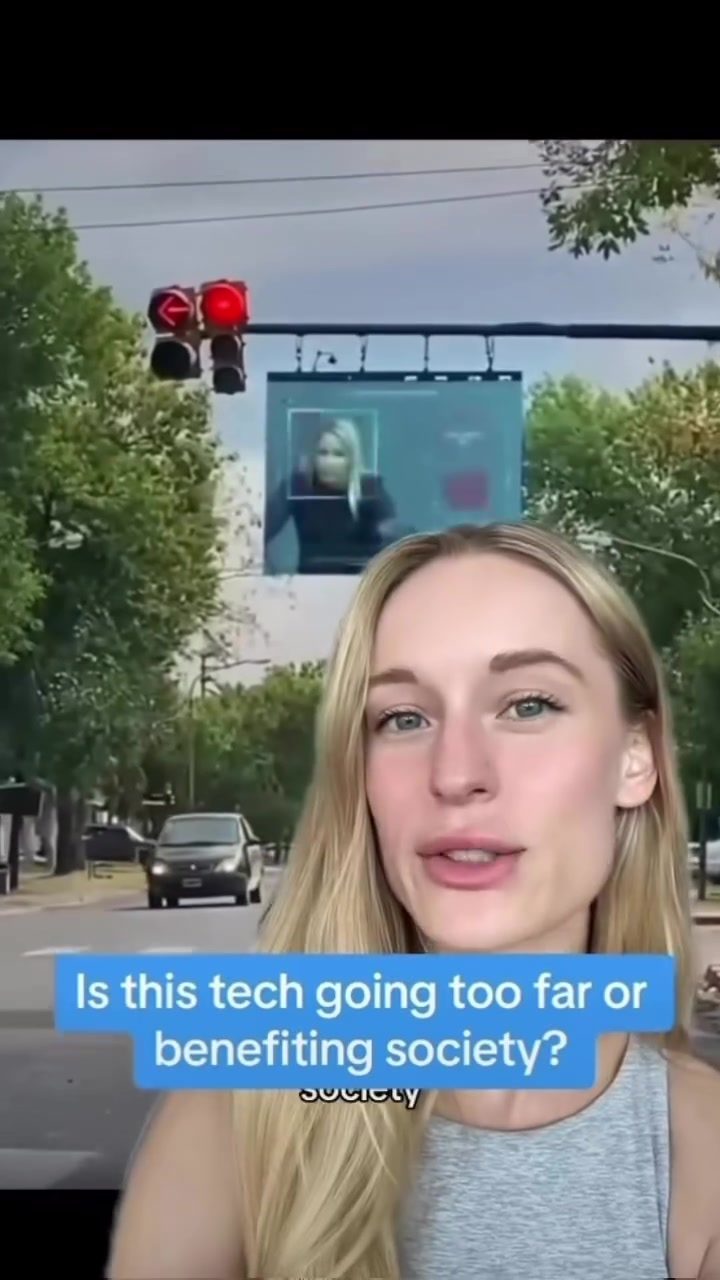
Tech, Safety, and Risk-Taking: The Future of Transportation
Technology’s role in transportation safety is becoming increasingly prominent, as seen in a recent scenario where technology might monitor helmet usage. The video in question illustrates a potential future where scooters and motorcyclists must wear helmets to proceed through intersections. While this technology isn't yet widely implemented, it underscores a critical debate surrounding safety, privacy, and the role of technology in our daily lives.
Context / Why This Matters
The integration of technology in transportation isn't new. From traffic signals to automated toll booths, tech has seamlessly become part of our daily commute. However, the idea of technology monitoring helmet usage before granting the green light raises several questions. Is this an invasion of privacy? Does it ensure safety, or is it overstepping? This debate is especially pertinent in urban areas where motorcycle and scooter accidents are common, and helmets are often the difference between life and death.
Technology like this could be implemented to reduce accidents and save lives. However, it also brings concerns about invasive surveillance and the potential for misuse. Understanding both sides of the argument is crucial for informed discussions about the future of transportation safety.
Main Discussion
The Potential Benefits
Technology designed to ensure helmet usage before allowing riders to proceed through intersections can offer several benefits:
- Enhanced Safety: The primary goal is to reduce accidents and fatalities by ensuring riders are protected. Helmets significantly lower the risk of head injuries, which are often fatal in accidents.
- Behavioral Change: Such technology can encourage better safety habits. Riders who might otherwise forego helmets for convenience could be more likely to adhere to safety protocols.
- Efficiency: Automated systems can reduce the need for manual enforcement, potentially freeing up law enforcement resources for other critical tasks.
Concerns and Criticisms
While the benefits are clear, there are also significant concerns:
- Privacy and Surveillance: The idea of technology scanning riders’ faces raises serious privacy concerns. There's a fine line between helpful technology and invasive surveillance, and this scenario might cross it.
- Reliability and Potential for Bias: Technology isn't foolproof. There could be issues with false positives or negatives, where the system incorrectly identifies helmet usage. Additionally, facial recognition technology often struggles with diversity, potentially leading to biased outcomes.
- Over-Regulation: Critics argue that such strict measures could be over-regulating personal choices, which could lead to a slippery slope where more personal freedoms are eroded.
Ethical Considerations
Beyond technical and safety considerations, ethical questions linger. Is it right to force riders to comply with safety measures at the risk of personal privacy? How do we balance the benefits of technology with the ethical concerns it raises? These are complex issues that will require thoughtful consideration and debate.
Practical Tips
If you're a commuter who uses a scooter or motorcycle, here are some practical tips to consider:
- Ride Safely: Always wear a helmet, regardless of local laws. Your safety is paramount.
- Stay Informed: Keep up with local regulations and technological advancements that might affect your commute.
- Engage in Debates: If you have strong opinions on this issue, share them in community forums or local government meetings. Your voice matters in shaping future policies.
Important Takeaways
- Technology has the potential to significantly enhance transportation safety.
- Privacy and ethical considerations must be carefully weighed.
- The debate around such technologies will shape future policies and regulations.
- Personal safety and informed decision-making are crucial for all commuters.
Conclusion
The potential of technology to ensure helmet usage at intersections highlights both the benefits and the challenges of integrating advanced tech into our daily lives. As we move forward, it's essential to foster open discussions that consider all perspectives, ensuring that our pursuit of safety doesn't come at the cost of our privacy and personal freedoms. Whether you're a daily commuter or an occasional rider, understanding these implications can help you navigate the future of transportation with greater awareness and preparedness.
Watch the Reel
Questions readers ask
How does technology monitor helmet usage in transportation?
Technology can monitor helmet usage through video analysis and sensors. Cameras can detect whether a rider is wearing a helmet, while sensors can be integrated into helmets to confirm usage. This data is then processed to determine if the rider is compliant with safety regulations.
What are the benefits of using technology to enhance transportation safety?
Technology can significantly improve transportation safety by enforcing safety habits, such as wearing helmets. It can also reduce accidents by monitoring risky behaviors and providing real-time feedback to users. Additionally, data collected can help urban planners make informed decisions to enhance overall urban safety.
What privacy concerns are associated with surveillance technology in transportation?
The use of surveillance technology in transportation raises concerns about constant monitoring and data collection. Critics argue that such systems can invade personal privacy by tracking individuals' movements and behaviors. There are also concerns about how this data might be misused or shared without consent.
How can technology encourage better safety habits among transportation users?
Technology can encourage better safety habits by providing immediate feedback and rewards. For instance, users who consistently wear helmets might receive incentives or recognition. Additionally, real-time alerts and notifications can remind users to adopt safe practices, such as slowing down or avoiding risky maneuvers.
What are the potential risks of integrating technology into transportation safety?
While technology offers numerous benefits, it also poses risks such as over-reliance on systems that may fail or provide inaccurate data. Additionally, there are concerns about the potential for hacking or system malfunctions that could compromise safety. The ethical implications of constant surveillance also require careful consideration.
How might technology change the future of urban safety?
Technology has the potential to transform urban safety by enabling real-time monitoring and intervention. For example, smart traffic management systems can reduce congestion and accidents, while sensors and cameras can help enforce safety regulations. This data can also be used to improve infrastructure and services, leading to a safer and more efficient urban environment.
Related deep dives
Similar reads based on topic and creator.


Recent articles
Fresh deep dives from the latest Reels we unpacked.




Comments
Be the first to comment.