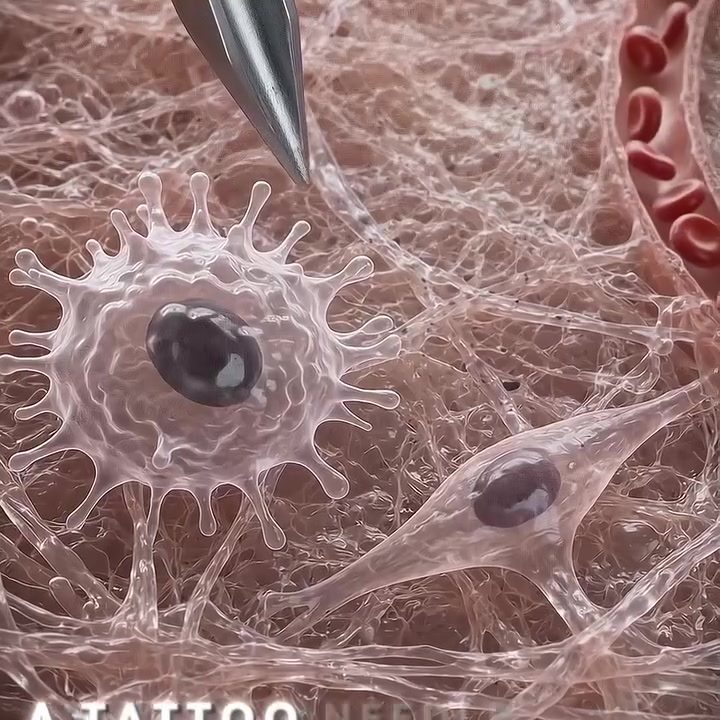
Inside a Tattoo: The Hidden World of Ink and Cells
Tattooing is more than just a surface-level art form. When ink is injected into the skin, it enters a dynamic and intricate world of living cells and biological processes. Understanding what happens beneath the surface can shed light on how tattoos become permanent fixtures on the body.
Why This Matters
The journey of a tattoo from the skin's surface to the dermis involves a complex interplay between the body's immune system and the ink particles. This process is a fascinating example of how the human body reacts to and interacts with foreign substances. By delving into the cellular biology behind tattoos, we can gain insights into the body's response to injury, inflammation, and the role of immune cells.
The Journey of Ink into the Dermis
The process begins with the tattoo needle, which tears through the living skin and drives tiny pigment particles past the surface and deep into the dermis. This layer of skin is home to a hidden world of living cells, blood vessels, and immune cells. As the needle penetrates, the tissue reacts instantly. Blood vessels are disturbed, inflammation begins, and immune cells rush toward the damaged area. Their mission is to identify and eliminate anything that does not belong, including the ink particles.
During this initial phase, a type of immune cell called a macrophage plays a crucial role. These cells are responsible for engulfing and digesting foreign particles, including the pigment from the tattoo. One macrophage finds the dark pigment and surrounds it, pulling the particles inside. For a moment, it seems as though the body is about to erase the tattoo.
The Role of Macrophages
Inside the macrophage, the tattoo pigment remains trapped in separate cellular compartments. This is a remarkable process because it ensures that the pigment does not interfere with the cell's normal functions, including its nucleus, which protects the DNA. As the tissue settles, pigment-filled macrophages remain. When these cells eventually disappear, their pigment can be captured again by new macrophages.
The Permanence of Tattoos
The wound heals, the surface renews, and everything looks normal again. However, deep inside the dermis, the pigment remains. This permanence is not due to the ink rewriting the genetic code but because the tissue continues to hold it. Beneath a simple tattoo lies an invisible universe of cells, molecules, and memory. A permanent mark is created not in the DNA but within the living tissue.
The Cellular Universe of a Tattoo
The cellular biology of a tattoo reveals a complex ecosystem. The ink particles, trapped within the macrophages, are not just static pigments but part of a dynamic system. These cells can move throughout the body, carrying the pigment with them. Over time, the pigment can spread slightly, leading to a slight blurring or fading of the tattoo. This process is influenced by various factors, including the body's natural aging process and exposure to the sun.
The Impact on the Body
The presence of tattoo ink in the dermis does not usually cause significant health issues. However, it is essential to understand that the body's response to the ink can vary. Some people may experience allergic reactions to certain types of pigment, leading to inflammation and itching. In rare cases, the body may reject the tattoo, causing the ink to migrate or fade.
Practical Tips for Tattoo Care
To ensure the longevity and health of a tattoo, consider the following tips:
- Choose a Reputable Artist: Ensure that the tattoo artist uses sterile equipment and high-quality ink.
- Aftercare: Follow the aftercare instructions provided by the artist. This usually involves keeping the area clean and moisturized.
- Avoid Sun Exposure: Protect the tattoo from direct sunlight, as UV rays can cause fading and damage.
- Regular Check-Ups: If you notice any changes or reactions, consult a dermatologist.
- Consider Removal Options: If you decide to remove a tattoo, explore options like laser removal. Keep in mind that the process can be time-consuming and may not be entirely effective due to the way pigment is trapped in the dermis.
Important Takeaways
Tattoos are permanent not because the ink becomes part of your DNA but because the body's immune system and tissue structure hold the pigment in place. Understanding this process can help individuals make informed decisions about getting tattoos and caring for them. By appreciating the intricate cellular biology behind tattoos, we gain a deeper respect for the body's ability to heal and adapt.
Conclusion
The journey of tattoo ink from the skin's surface to the dermis is a testament to the body's remarkable ability to react and adapt. Through the interplay of immune cells, tissue structure, and pigment particles, a tattoo becomes a permanent fixture. By understanding the cellular biology of tattoos, we can gain insights into the body's responses to injury and foreign substances. This knowledge can help individuals make informed decisions about getting and caring for tattoos, ensuring their longevity and health.
Watch the Reel
Questions readers ask
How does tattoo ink stay in the skin over time?
Tattoo ink particles are too large for the body to break down easily. Once injected, they are engulfed by macrophages, a type of immune cell, which are unable to digest them completely. Instead, these macrophages keep the ink trapped in cellular compartments, leading to the permanence of tattoos.
What happens when tattoo ink is injected into the skin?
When tattoo ink is injected, it triggers an immune response. Macrophages and other immune cells rush to the injection site, attempting to identify and eliminate the foreign particles. However, the ink particles are too large to be fully digested and are instead encapsulated by the immune cells.
Can tattoo ink affect DNA?
There is no definitive evidence that tattoo ink directly alters DNA. However, the process of tattooing can cause minor tissue damage and inflammation, which might indirectly affect nearby cells. The immune response to tattoo ink involves macrophages, which can release molecules that influence cellular activity but not DNA.
Why do tattoos fade over time?
Tattoos fade over time due to several factors, including the natural breakdown and dispersion of ink particles by immune cells. Additionally, factors like sun exposure, aging, and the body’s own cellular turnover can contribute to the gradual fading of tattoo ink.
What role do macrophages play in tattoo ink retention?
Macrophages are crucial in the body's response to tattoo ink. These immune cells attempt to engulf and digest the ink particles but are unable to do so completely. As a result, the ink is kept trapped within the macrophages, which eventually migrate to the dermis, contributing to the permanence of tattoos.
How does the body’s immune system react to tattoo ink in the dermis?
When tattoo ink penetrates the dermis, the body’s immune system treats it as a foreign invader. Immune cells, particularly macrophages, rush to the area to engulf the ink particles. However, the ink is too large to be broken down, leading to a chronic immune response where the ink is encapsulated and retained in the skin.
Can living with a tattoo affect overall skin health?
Living with a tattoo generally does not pose significant risks to overall skin health for most people. However, the tattooing process can cause temporary inflammation and minor skin trauma. Additionally, improper aftercare or allergic reactions to certain inks can lead to skin issues, so it's important to follow proper care guidelines.
Related deep dives
Similar reads based on topic and creator.




Recent articles
Fresh deep dives from the latest Reels we unpacked.




Comments
Be the first to comment.