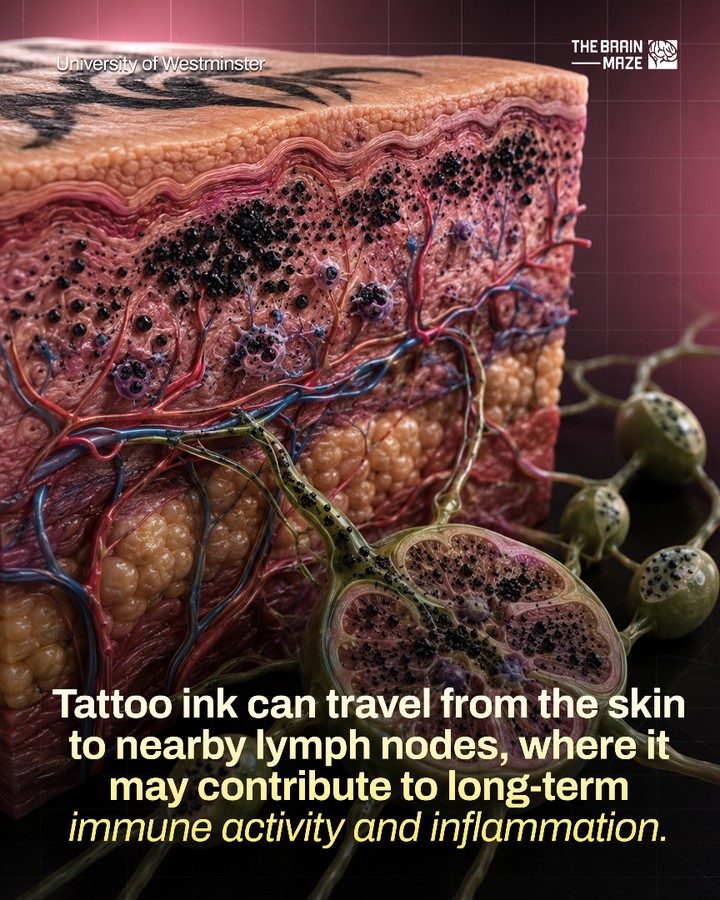
Tattoo Ink and Lymph Nodes
Getting a tattoo is a popular form of self-expression, but it's also a process that triggers a response from your body's immune system. Tattoo ink is recognized as a foreign substance, which prompts an immune reaction. While most of the pigment remains in the skin, some particles can migrate to nearby lymph nodes and stay there for years. This phenomenon has sparked scientific interest in understanding the long-term effects of tattoo ink on immune function, inflammation, and overall health.
Why This Matters
Understanding how tattoo ink interacts with your body is crucial for anyone considering getting a tattoo, as well as for those who already have them. The immune system's response to tattoo ink can have both immediate and long-term effects. Immediate effects might include temporary swelling and redness, while long-term effects could involve chronic inflammation and potential impacts on immune function.
Understanding the Process
The Immune Response
When tattoo ink is injected into the skin, the body recognizes it as a foreign invader. White blood cells, particularly macrophages, are called into action to engulf and neutralize the ink particles. This immune response is what causes the initial swelling and redness that often accompany a fresh tattoo. However, this process doesn't stop at the skin.
Migration to Lymph Nodes
Some of the tattoo ink particles are small enough to escape the skin and enter the lymphatic system. The lymphatic system is a network of vessels and nodes that help the body drain fluids and fight infections. Lymph nodes act as filters, trapping foreign particles, including tattoo ink. This is why, in some cases, tattoo ink can be found in lymph nodes near the site of the tattoo.
Long-Term Effects
The presence of tattoo ink in lymph nodes can lead to prolonged immune activity and inflammation. Researchers are actively studying whether this chronic immune response could have broader health implications. While current evidence suggests that tattoos are generally safe, the long-term effects of tattoo ink on the immune system and overall health are still not fully understood.
Practical Tips
Pre-Tattoo Considerations
If you're thinking about getting a tattoo, there are several things to consider to minimize potential risks:
- Choose a Reputable Artist: Make sure the tattoo artist is licensed and follows proper hygiene and sterilization practices. This helps to reduce the risk of infection and other complications.
- Avoid Areas with Lymph Nodes: Be aware that certain areas of the body, such as the armpits and groin, have a higher concentration of lymph nodes. Tattoos in these areas might have a higher likelihood of causing lymph node inflammation.
Post-Tattoo Care
After getting a tattoo, taking good care of it can help minimize the risk of complications:
- Follow Aftercare Instructions: Your tattoo artist will provide specific aftercare instructions. Typically, this includes keeping the tattoo clean, avoiding tight clothing, and avoiding activities that could irritate the tattoo, such as swimming or soaking in a bathtub.
- Monitor for Infections: Keep an eye out for signs of infection, such as excessive redness, swelling, or pus. If you notice any of these symptoms, contact your healthcare provider.
Future Research
As the popularity of tattoos continues to grow, so does the need for research into their long-term effects. Ongoing studies may provide more insights into how tattoo ink affects the body and how to minimize potential risks. Staying informed about the latest findings can help you make better decisions about your tattoos.
Important Takeaways
- Tattoo Ink and the Immune System: When you get a tattoo, your body’s immune system recognizes the ink as a foreign substance, triggering a response that can lead to inflammation and swelling.
- Migration to Lymph Nodes: Some tattoo ink particles can travel to nearby lymph nodes, where they may remain for years, contributing to long-term immune activity.
- Chronic Inflammation: The presence of tattoo ink in the lymph nodes can cause chronic inflammation, which researchers are studying for potential long-term health effects.
Conclusion
Tattoos are a beautiful form of self-expression, but understanding their potential effects on your body is important. While current evidence suggests tattoos are generally safe, ongoing research is crucial for a full understanding of the long-term impacts. By staying informed and taking proper care, you can enjoy your tattoos while minimizing risks.
Watch the Reel
Questions readers ask
How does the immune system react to tattoo ink?
When tattoo ink is injected into the skin, the body's immune system identifies it as a foreign invader. This triggers an immune response, where immune cells attempt to break down and remove the ink particles. Some of these particles, however, are too large to be eliminated, leading to their entrapment within immune cells.
Can tattoo ink travel to lymph nodes?
Yes, some tattoo ink particles can migrate from the skin to nearby lymph nodes. This process is known as lymphatic drainage. Once in the lymph nodes, these particles can remain for years, prompting ongoing immune system activity and inflammation.
What are the long-term effects of tattoo ink on the body?
The long-term effects of tattoo ink on the body are still being studied, but research suggests that tattoo ink can cause chronic inflammation and immune activation. Additionally, tattoo ink may impact the immune function and potentially even the body's ability to fight off infections.
Which lymph nodes are most affected by a tattoo?
The lymph nodes most affected by a tattoo are typically those closest to the tattoo site. For example, tattoos on the arm can lead to ink buildup in the underarm lymph nodes, while tattoos on the leg may impact the groin lymph nodes. This is because ink particles travel through the lymphatic system to the nearest lymph nodes.
Is there a risk of inflammation due to tattoo ink?
Yes, tattoo ink can cause inflammation, both immediately after getting a tattoo and in the long term. During the healing process, the skin may become red and swollen due to the body's immune response. Over time, the presence of tattoo ink in the lymph nodes can lead to persistent, low-grade inflammation.
Can tattoo ink cause side effects related to the immune system?
Some people may experience side effects related to the immune system after getting a tattoo. These can include prolonged redness, swelling, and itching around the tattoo site, as well as more severe reactions like raised, lumpy skin (known as granulomas) or allergic reactions. If you experience these symptoms, consult a healthcare professional.
How does the body's immune response to tattoo ink vary among different individuals?
The body's immune response to tattoo ink can vary among individuals due to factors like age, overall health, and the specific composition of the tattoo ink. Some people may experience a more pronounced immune reaction, while others might have a milder response. Additionally, certain individuals may be more susceptible to long-term effects, such as chronic inflammation, than others.
Related deep dives
Similar reads based on topic and creator.




Recent articles
Fresh deep dives from the latest Reels we unpacked.




Comments
Be the first to comment.