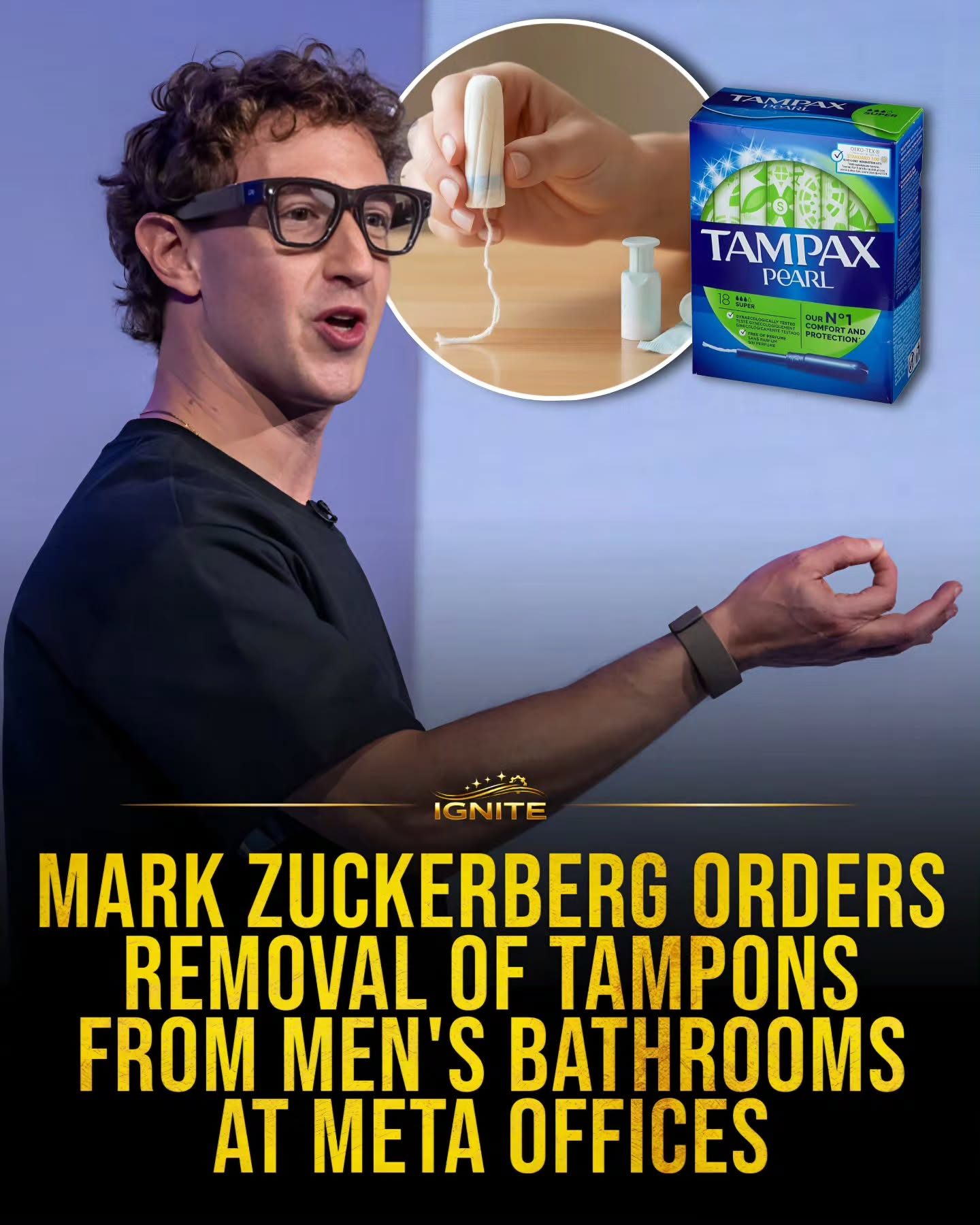
Tampax Tampons: What's the Deal with Men's Bathrooms at Meta?
Menstrual products, specifically tampons, are a staple for anyone who menstruates. However, discussions around their accessibility and placement in public spaces, such as offices, have sparked debates about inclusivity and practicality. Recently, a particular order regarding the availability of tampons in men's bathrooms at Meta offices has garnered attention. Let's dive into the specifics, the implications, and the broader context of this issue.
Context: Why This Matters
Menstrual health is a fundamental aspect of overall health and well-being. Access to menstrual products, particularly in workplaces, is crucial for ensuring that individuals can manage their periods with dignity and comfort. The placement of these products in bathrooms is a topic of ongoing discussion, with arguments for inclusivity and convenience on one side, and concerns about practicality and cultural norms on the other.
Main Discussion
The Controversial Order
The order in question, attributed to Meta CEO Mark Zuckerberg, involves the removal of tampons from men's bathrooms at Meta offices. The rationale behind this move is unclear, but it has sparked a variety of reactions. For some, it's seen as a necessary adjustment to maintain order and respect cultural norms. For others, it's perceived as an exclusionary act that overlooks the needs of trans and non-binary individuals who may use men's bathrooms.
Inclusivity and Accessibility
The debate around tampon placement in men's bathrooms touches on broader issues of inclusivity. Trans and non-binary individuals, as well as some men who menstruate, may require access to menstrual products in men's bathrooms. Restricting the availability of these products to women's or gender-neutral bathrooms only can create barriers and discomfort for those who don't fit traditional gender norms. This issue underscores the importance of creating inclusive spaces that cater to diverse needs.
Practical Considerations
From a practical standpoint, the placement of menstrual products in bathrooms can also influence convenience and availability. Having tampons in men's bathrooms can ensure that everyone has access to them, regardless of the bathroom they use. This can be particularly important in high-traffic areas or during emergencies. However, it also raises questions about maintenance and restocking, which can be logistical challenges for office management.
The Role of Corporate Policy
Corporate policies play a significant role in shaping workplace culture and inclusivity. Decisions about the placement of menstrual products can reflect a company's commitment to supporting diverse employee needs. It's essential for corporate policies to be thoughtful and considerate of all employees, ensuring that everyone feels valued and respected. Clear communication and feedback mechanisms can also help in tailoring policies to better meet the needs of all employees.
Practical Tips
For Employees
- Communicate: If you feel that the current policy does not cater to your needs, consider reaching out to HR or the relevant department to discuss your concerns. Constructive feedback can lead to policy changes that better support everyone.
- Support Groups: Join or create support groups within your workplace to advocate for inclusive policies. Group efforts can amplify individual voices and drive meaningful change.
- Education: Educate yourself and others about the importance of menstrual health and inclusivity. Knowledge sharing can foster a more understanding and supportive workplace environment.
For Employers
- Conduct Surveys: Regularly survey your employees to understand their needs and concerns regarding menstrual health. Use this feedback to inform policy decisions.
- Create Inclusive Spaces: Ensure that all bathrooms, regardless of gender, are equipped with menstrual products. This can help create a more inclusive and supportive environment.
- Provide Training: Offer training sessions on menstrual health and inclusivity for all employees and management. This can help build a more empathetic and understanding workforce.
- Clear Communication: Communicate your policies clearly and ensure that all employees are aware of the resources available to them.
Important Takeaways
Inclusivity Matters
Creating an inclusive workplace involves considering the needs of all employees, regardless of gender identity. Ensuring access to menstrual products in all bathrooms can be a step towards fostering a more inclusive environment.
Communication is Key
Open communication between employees and management is crucial for addressing concerns and making informed policy decisions. Feedback mechanisms and support groups can go a long way in creating a workplace that values diversity and inclusivity.
Practical Considerations
While ensuring access to menstrual products, it's also important to consider practical aspects such as maintenance and restocking. Balancing inclusivity with practicality can help create a functional and supportive workplace.
Conclusion
The debate around the availability of Tampax tampons in men's bathrooms at Meta offices highlights the broader issues of inclusivity and practicality in workplace policies. While the specific order may have sparked controversy, it has also brought to light the importance of creating inclusive spaces that cater to diverse needs. By considering the perspectives of all employees and fostering open communication, workplaces can move towards more inclusive and supportive environments. Menstrual health is a fundamental aspect of overall well-being, and ensuring access to menstrual products in all bathrooms can be a step towards creating a more inclusive workplace for everyone.
Watch the Reel
Questions readers ask
Why did Meta decide to place tampons in men's bathrooms?
Meta's decision to place tampons in men's bathrooms is part of a broader effort to support inclusivity in their workplace. This decision acknowledges that not all individuals who menstruate identify as women. By making tampons available in men's bathrooms, Meta aims to create a more inclusive environment for trans and non-binary employees. This is all part of a wider diversity in workplace initiative.
Do tampons really belong in men's bathrooms?
The presence of tampons in men's bathrooms is a topic of debate. Proponents argue that it promotes inclusivity and accessibility for all employees, including trans and non-binary individuals. Others question the necessity and practicality. Ultimately, this debate highlights the complexities of creating policies that accommodate diverse needs in the workplace.
How has the public reacted to Meta's tampon policy?
Reactions to Meta's policy have been mixed. Some praise the company for its commitment to inclusivity and accommodating the needs of trans and non-binary employees. Others express concern about the necessity and practicality of the policy. This mix of reactions reflects the broader societal conversations about gender inclusivity and workplace policies.
What other companies have similar policies?
While Meta's policy has gained significant attention, other companies have also implemented inclusive policies regarding menstrual products. For instance, some workplaces provide menstrual products in all gender-neutral restrooms, aiming to ensure accessibility for everyone who menstruates, regardless of their gender identity.
How does Meta's policy impact workplace inclusivity?
Meta's policy on placing tampons in men's bathrooms is designed to foster a more inclusive workplace environment. By acknowledging and accommodating the needs of trans and non-binary employees, Meta demonstrates a commitment to diversity. This policy signals to employees that their identities and needs are valued and respected, contributing to a more supportive work culture.
What are the practical considerations of Meta's tampon policy?
Practical considerations include ensuring that the products are well-stocked and easily accessible. Additionally, there may be considerations around privacy and comfort for all individuals using the facilities. Meta must balance these practical concerns with their goal of promoting inclusivity and creating a welcoming environment for all employees.
Recent articles
Fresh deep dives from the latest Reels we unpacked.




Comments
Be the first to comment.