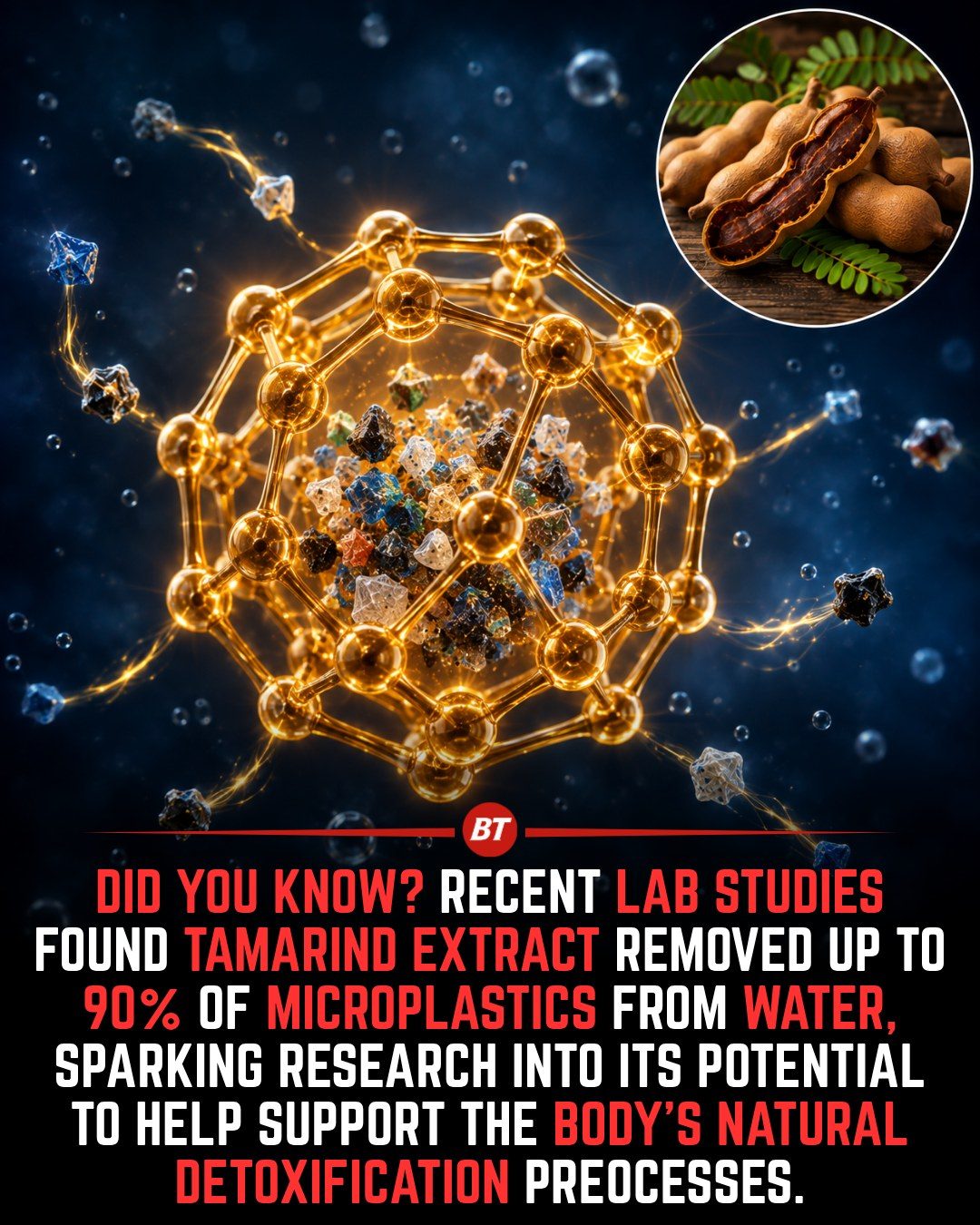
Tamarind Extract and Microplastic Removal
Tamarind extract has recently gained attention for its surprising ability to remove microplastics from water. This discovery has opened up new avenues of research into how natural plant compounds can address one of today's most pressing environmental issues.
Researchers have found that tamarind extract can remove up to 90% of microplastics from water in laboratory settings. This finding has sparked significant interest in the potential of natural compounds to tackle microplastic pollution, which is one of the fastest-growing environmental challenges today. The extract's effectiveness is due to the natural polysaccharides, tannins, and other plant compounds found in tamarind seeds. These compounds act as natural flocculants, causing microplastics to clump together and making them easier to remove from water.
Why This Matters
Microplastic pollution is a significant environmental concern. These tiny particles, often smaller than 5 millimeters, are ubiquitous in our water systems and pose threats to marine life and human health. Traditional water treatment methods often struggle to remove microplastics efficiently. The discovery that tamarind extract can remove up to 90% of these particles offers a promising, eco-friendly solution. Given the growing interest in sustainable and natural solutions, tamarind extract's potential applications are worth exploring.
The Science Behind Tamarind Extract
Plant Compounds and Microplastic Removal
Tamarind seeds contain a mix of natural compounds that are crucial for their microplastic-removal capabilities. These include:
- Polysaccharides: These are complex carbohydrates that can bind to microplastics, causing them to clump together. This clumping makes it easier to filter out the microplastics from water.
- Tannins: These are a type of polyphenol that can interact with the surface of microplastics, enhancing their removal.
- Other Plant Compounds: The exact mechanisms are still being studied, but researchers believe that other compounds in tamarind seeds also play a role in microplastic removal.
Recent studies, published in journals like ACS Omega and Environmental Science & Technology, have shown that tamarind-derived materials can effectively remove microplastics under controlled laboratory conditions. These studies highlight the potential of natural compounds as a biodegradable alternative to synthetic water-treatment chemicals.
Laboratory Findings
Laboratory experiments have demonstrated the effectiveness of tamarind extract in removing microplastics. The studies involve:
- Preparation of Tamarind Extract: Researchers prepare tamarind extract by soaking the seeds in water and isolating the active compounds.
- Exposure to Contaminated Water: The extract is then added to water samples contaminated with microplastics.
- Observation and Measurement: The researchers observe how the extract interacts with the microplastics and measure the reduction in microplastic content.
The results have been encouraging, with up to 90% of microplastics being removed from the water samples. This high efficacy has led to further exploration of tamarind's potential applications in water purification and environmental cleanup.
Practical Tips for Using Tamarind Extract
While tamarind extract shows promise for microplastic removal, it's important to note that these studies were conducted in controlled laboratory settings. Translating this into practical, real-world applications will require further research. Here are some practical considerations:
Home Use
For now, using tamarind extract at home to remove microplastics from drinking water is not recommended. The experiments were conducted in controlled settings, and the methods used may not be safe or effective for home use. However, you can still incorporate tamarind into your diet for its nutritional benefits. Tamarind is naturally rich in polyphenols, antioxidants, and dietary fiber, making it a healthy addition to your meals.
Environmental Applications
The potential for tamarind extract in environmental cleanup is more promising. Researchers are exploring its use in water treatment plants and other large-scale applications. If successful, this could provide a sustainable and eco-friendly solution to microplastic pollution.
Future Research
Scientists are continuing to investigate the potential of tamarind extract for various applications. This includes:
- Environmental Technologies: Developing eco-friendly water purification technologies that use tamarind extract.
- Biomedical Applications: Exploring whether tamarind compounds can be used in medical treatments, though this is still in the early stages of research.
- Optimization of Extraction Methods: Improving the methods used to extract and isolate the active compounds from tamarind seeds to enhance their effectiveness and efficiency.
Important Takeaways
Natural Solutions to Modern Problems
The discovery that tamarind extract can remove microplastics highlights the potential of natural plant compounds in addressing modern environmental challenges. This finding underscores the importance of exploring natural solutions to contemporary problems.
Efficacy in Laboratory Settings
Laboratory studies have shown that tamarind extract can remove up to 90% of microplastics from water. This high efficacy has sparked significant interest in its potential applications.
Future Potential
While tamarind extract shows promise, further research is needed to translate these findings into practical, real-world solutions. This includes optimizing extraction methods, exploring environmental and biomedical applications, and investigating its potential for home use.
Conclusion
Tamarind extract's ability to remove microplastics from water is a fascinating discovery with significant implications for environmental cleanup and water treatment. Although more research is needed to fully understand and utilize this potential, the findings highlight the value of natural plant compounds in addressing modern environmental challenges. As research continues, tamarind extract could become an important tool in the fight against microplastic pollution.
Watch the Reel
Questions readers ask
What makes tamarind extract effective in removing microplastics from water?
Tamarind extract contains natural plant compounds such as polysaccharides and tannins. These substances act as natural flocculants, which means they cause microplastics to clump together, making them easier to remove from water.
How much microplastic can tamarind extract remove from water?
In laboratory settings, tamarind extract has demonstrated the ability to remove up to 90% of microplastics from water. This high effectiveness makes it a promising solution for combating water microplastic pollution.
What are the natural compounds in tamarind that help in microplastic removal?
The key compounds in tamarind that contribute to microplastic removal are polysaccharides and tannins. These are found in tamarind seeds and are responsible for the extract's flocculant properties, which aid in the removal of microplastics.
What are the environmental benefits of using tamarind extract for microplastic removal?
Using tamarind extract for microplastic removal offers a natural and potentially sustainable solution to a pressing environmental issue. It provides a viable alternative to chemical treatments, reducing the potential for secondary pollution.
What kind of research has been done on tamarind extract and microplastic removal?
Recent research has focused on laboratory studies where tamarind extract has been tested for its ability to remove microplastics from water. These studies have shown promising results, with the extract successfully removing a significant amount of microplastics.
Why is microplastic pollution a concern?
Microplastic pollution is a growing concern because these tiny plastic particles can enter waterways and oceans, harming marine life and potentially impacting human health. Effective removal methods, such as those using tamarind extract, are crucial for addressing this environmental challenge.
What are the next steps in utilizing tamarind extract for microplastic removal?
The next steps involve scaling up the laboratory research to real-world applications. This includes testing the effectiveness of tamarind extract in various water treatment settings and exploring its potential for large-scale implementation in water management systems.
Related deep dives
Similar reads based on topic and creator.




Recent articles
Fresh deep dives from the latest Reels we unpacked.




Comments
Be the first to comment.