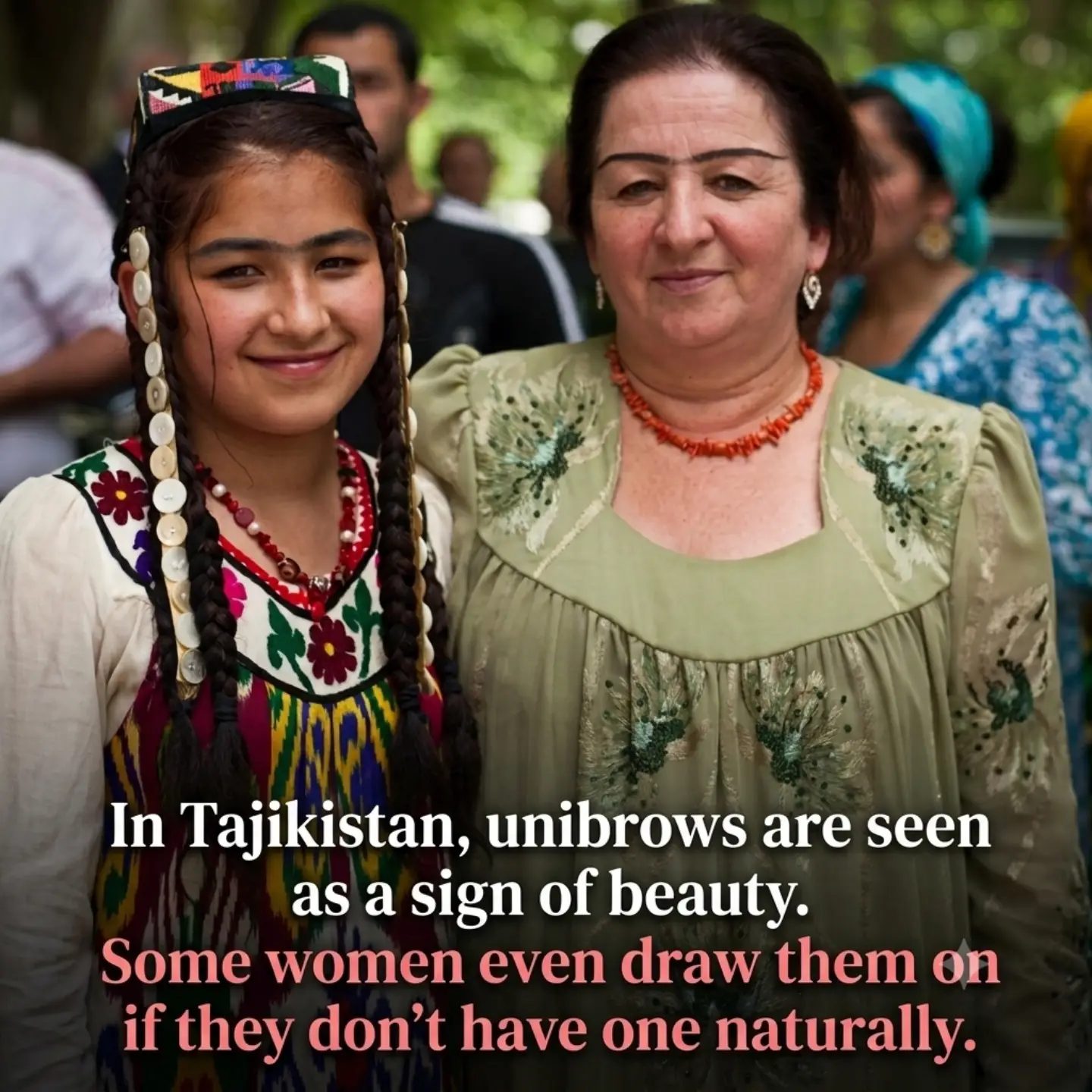
The Unibrow in Tajikistan: Cultural Significance and Beauty Rituals
In Tajikistan, the unibrow, often referred to as Usma, carries profound cultural significance and is a cherished beauty standard. This distinct facial feature, named after the leafy herb traditionally used to color it, symbolizes not only beauty but also the promise of a successful marriage and family closeness. This cultural practice is more than just a beauty trend; it is a rich tapestry of traditions and rituals that have been passed down through generations.
Why This Matters
The unibrow in Tajikistan is more than a mere aesthetic preference. It encapsulates deep cultural meanings and traditions that have been an integral part of Tajik society for generations. For women, possessing a well-defined unibrow is a symbol of beauty, purity, and social standing.
Historical and Cultural Context
The tradition of sporting a unibrow in Tajikistan dates back centuries. The unibrow, or Usma, is derived from the leafy herb used to draw and enhance the brows. Women have historically sought to achieve this look to fulfill the cultural expectation of female beauty. By meticulously drawing a unibrow using the dark green juice from the Usma plant, women can maintain healthy brow hairs while adhering to the traditional standard of beauty.
Main Discussion
The Significance of the Unibrow
The unibrow is not just a beauty standard; it is a cultural marker that holds significant social and familial importance. A well-defined unibrow is believed to signify that a woman will have a successful marriage and remain close to her family. This belief underscores the deeper cultural context in which beauty practices are embedded, where aesthetics are intertwined with social expectations and familial bonds.
The Usma Plant
The Usma plant is central to this beauty ritual. The dark green juice extracted from its leaves is used to draw and nourish the brows. This practice not only enhances the appearance of the brows but also nourishes them, ensuring they remain healthy and well-defined. Women who do not naturally possess a unibrow use this juice to achieve the desired look, thereby blending cultural tradition with grooming rituals.
Practical Tips
How to Achieve a Well-Defined Unibrow
For those interested in practicing this cultural beauty ritual, here are some practical tips:
-
Use the Usma Plant: If you have access to the Usma plant, extract its juice and use it to draw and nourish your brows. The juice not only enhances the color but also nourishes the brow hairs.
-
Meticulous Drawing: Achieving a well-defined unibrow requires precision. Use a thin brush or a fine-tipped pen to draw the unibrow. Start from the inner corner of the eye and draw a continuous line that connects the two brows.
-
Maintenance: Regularly nourish your brows with the Usma juice to keep them healthy and well-defined. Repeat the process every few days to maintain the desired look.
Important Takeaways
The unibrow in Tajikistan is a rich tapestry of cultural practice, historical significance, and beauty rituals. It symbolizes beauty, purity, and social standing, making it a cherished tradition among Tajik women.
Conclusion
The unibrow in Tajikistan is more than just a beauty trend; it is a cultural practice deeply rooted in tradition and symbolism. The unibrow, or Usma, carries profound meanings and is a symbol of beauty, purity, and social standing. For women who do not naturally possess a unibrow, the practice of drawing one using the Usma plant is a way to fulfill cultural expectations and blend traditional beauty standards with grooming rituals.
Watch the Reel
Questions readers ask
What does the term 'Usma' refer to in Tajik culture?
In Tajik culture, 'Usma' refers to the unibrow, a highly valued beauty standard. The term is derived from a leafy herb traditionally used to color and enhance the unibrow, making it a significant cultural marker.
How is the unibrow, or 'Usma,' seen in Tajik society?
The 'Usma' is seen as a symbol of beauty, purity, and social status in Tajik society. It is believed to signify a promising future and the potential for a successful marriage, making it an important aspect of a woman's cultural identity.
What are some of the traditional rituals associated with the Tajik unibrow?
Traditional rituals involving the Tajik unibrow include using natural dyes, such as henna, to enhance and darken the brow. These rituals are often performed during significant life events and require skill and precision.
How do Tajik women view the unibrow as part of their cultural heritage?
Tajik women view the unibrow as a cherished and meaningful part of their cultural heritage. It is a symbol of their cultural identity and is passed down through generations, with mothers and grandmothers teaching the practice to younger women.
How is the Tajik unibrow drawn and maintained?
The Tajik unibrow is typically drawn using natural dyes like henna. It is meticulously maintained to ensure it remains well-defined and dark. This practice requires time and dedication, with many women regularly redrawing and caring for their Usma.
What role does the unibrow play in Tajik marital traditions?
In Tajik marital traditions, the unibrow is seen as a promise of a successful marriage. It is considered a desirable trait in potential brides, symbolizing not only beauty but also the potential for a harmonious and prosperous family life.
Can non-Tajik women adopt the practice of wearing a unibrow?
While non-Tajik women can certainly adopt and appreciate this beauty practice, it is important to understand and respect the cultural significance of the unibrow in Tajikistan. It is more than just a fashion statement and carries deep symbolic meaning for Tajik women.
Related deep dives
Similar reads based on topic and creator.



Recent articles
Fresh deep dives from the latest Reels we unpacked.




Comments
Be the first to comment.