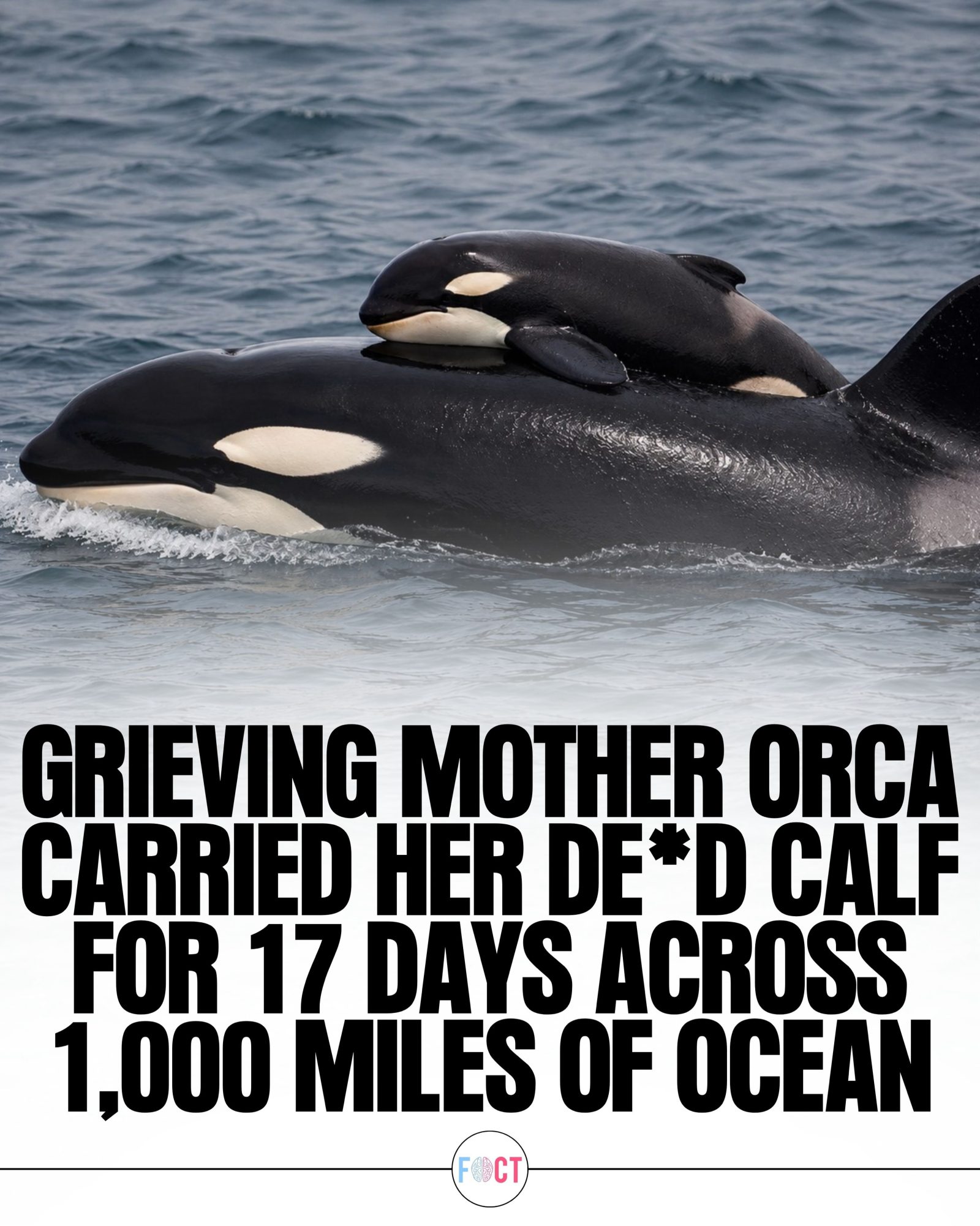
Grieving Orca Mother
The story of Tahlequah, an endangered Southern Resident orca (also known as a killer whale), is a poignant tale of maternal grief and resilience in the animal kingdom. Known by her designation, J35, Tahlequah captured global attention in July 2018 when she embarked on a 1,000-mile journey across the open ocean, carrying her deceased newborn calf for 17 days.
Why This Matters
Tahlequah's journey highlights several significant aspects of orca behavior and the challenges faced by these marine mammals. Understanding Tahlequah's heartrending journey offers insights into orca social structures, emotional capabilities, and the threats they face in their natural habitats.
The Journey of Grief
The Initial Tragedy
Tahlequah's ordeal began with the birth of a female calf in July 2018. Tragically, the newborn died just 30 minutes after birth. Instead of allowing the body to sink, Tahlequah began a prolonged ritual of carrying her deceased calf, balancing the newborn on her head and snout. This behavior continued for 17 days, covering over 1,000 miles as she swam with her pod.
A Historic Journey
Marine biologists documented this journey as a "tour of grief," an unprecedented display of maternal grief in the natural world. Tahlequah's actions underscored the depth of emotional bonds within orca families. Orcas are known for their complex social structures and lifelong familial bonds, and Tahlequah's actions highlighted these connections in a profound and tragic way.
Emotional Complexity
The sheer length and distance of Tahlequah's journey reveal the emotional complexity of orcas. This display of grief is not merely a biological response but a deeply emotional one. By carrying her deceased calf, Tahlequah demonstrated the intense maternal instincts and emotional depth that are characteristic of her species. This journey also sheds light on the emotional toll that loss can take on orcas, who form strong, lifelong bonds with their offspring and pod members.
Recurrent Trauma
A Second Tragedy
Tahlequah’s grief did not end with the 2018 event. In 2020 she successfully raised a healthy male calf. However, tragedy struck again when she gave birth to another female calf, designated as J61, who lived for only a week. Once again, Tahlequah was spotted carrying the lifeless body of her newborn, repeating the heartbreaking ritual of grief.
The Impact on the Pod
The emotional trauma experienced by Tahlequah has had a profound impact on her and her pod. The repeated loss of offspring can have significant physiological and psychological effects on the mother orca and the pod as a whole. Such events underscore the vulnerability of these marine mammals, particularly the critically endangered Southern Resident orcas, who face numerous challenges in their natural habitats.
Understanding Orca Behavior
Social Structures
Orcas are highly social animals, living in matrilineal pods where females and their offspring form the core of the social group. These pods are known for their strong familial bonds and cooperative behaviors, such as hunting and caregiving. Tahlequah's actions highlight the deep emotional ties within these pods and the impact of loss on these social structures.
Emotional Responses
The emotional responses displayed by Tahlequah are not unique to her. Orcas are known to exhibit a range of emotional behaviors, including joy, frustration, and grief. Their ability to form deep, lasting bonds and their capacity for complex emotional responses make them one of the most fascinating species to study.
Practical Tips for Conservation
Supporting Orca Populations
The experiences of Tahlequah and her pod underscore the importance of conservation efforts aimed at protecting these marine mammals. Supporting organizations that work towards ocean conservation and protecting orca habitats can make a significant difference in their survival and well-being.
Reducing Threats
Human activities, such as pollution, overfishing, and habitat destruction, pose significant threats to orcas. Reducing these activities and promoting sustainable practices can help mitigate the risks faced by these marine mammals. Additionally, advocating for policies that protect orca habitats and limit human interference can contribute to their long-term survival.
Important Takeaways
The story of Tahlequah serves as a poignant reminder of the emotional depth and resilience of orcas. Her journey of grief highlights the complex social structures and emotional bonds that characterize these marine mammals. Understanding these aspects of orca behavior can inform conservation efforts and promote a deeper appreciation for the natural world.
The repeated traumas experienced by Tahlequah also underscore the vulnerability of orcas, particularly the endangered Southern Resident population. The challenges they face in their natural habitats, coupled with the emotional toll of loss, make conservation efforts crucial for their survival.
Conclusion
Tahlequah's unforgettable journey of grief offers a unique window into the emotional and social lives of orcas. Her actions, characterized by intense maternal grief and resilience, highlight the complexities of orca behavior and the challenges they face. By understanding and appreciating these aspects, we can contribute to the conservation of these magnificent marine mammals and ensure the preservation of their natural habitats for future generations.
Watch the Reel
Questions readers ask
Why did Tahlequah carry her deceased calf for so long?
Tahlequah's behavior is attributed to her strong maternal instincts and the emotional bond she shared with her calf. This prolonged grief is not uncommon among orcas and is a display of their complex emotional capabilities.
How far did Tahlequah travel with her calf?
Tahlequah traveled an astonishing 1,000 miles over the course of 17 days, carrying her deceased calf the entire journey. This distance is a testament to the depth of her grief and the strength of her maternal bond.
What can Tahlequah's journey tell us about orca social structures?
Tahlequah's journey provides valuable insights into orca social structures. These whales are known for their tight-knit pods and strong emotional bonds. Tahlequah's behavior highlights the importance of these connections, even in the face of tragedy.
What challenges do orcas like Tahlequah face in the open ocean?
Orcas face numerous challenges in the open ocean, including dwindling prey populations, environmental pollution, and human disturbances. These factors can exacerbate the difficulties they experience, such as the loss of a calf, and impact their overall well-being.
Is Tahlequah's behavior typical for orcas?
While it is not typical for orcas to carry their deceased calves for such an extended period, grieving behavior is not uncommon among these whales. Maternal orcas may exhibit signs of grief, such as reduced foraging and socializing, for extended periods following the loss of a calf.
What is the significance of Tahlequah's journey for understanding orcas?
Tahlequah's journey underscores the emotional complexity of orcas and the importance of maternal bonds within their social structures. It also highlights the need for continued research and conservation efforts to protect these marine mammals and their habitats.
How did Tahlequah's journey impact public awareness about orcas?
Tahlequah's 1,000-mile journey garnered global attention and sparked public interest in orca conservation. Her story has raised awareness about the challenges these marine mammals face, fostering a greater appreciation for their emotional capabilities and the need for protective measures.
Related deep dives
Similar reads based on topic and creator.




Recent articles
Fresh deep dives from the latest Reels we unpacked.




Comments
Be the first to comment.