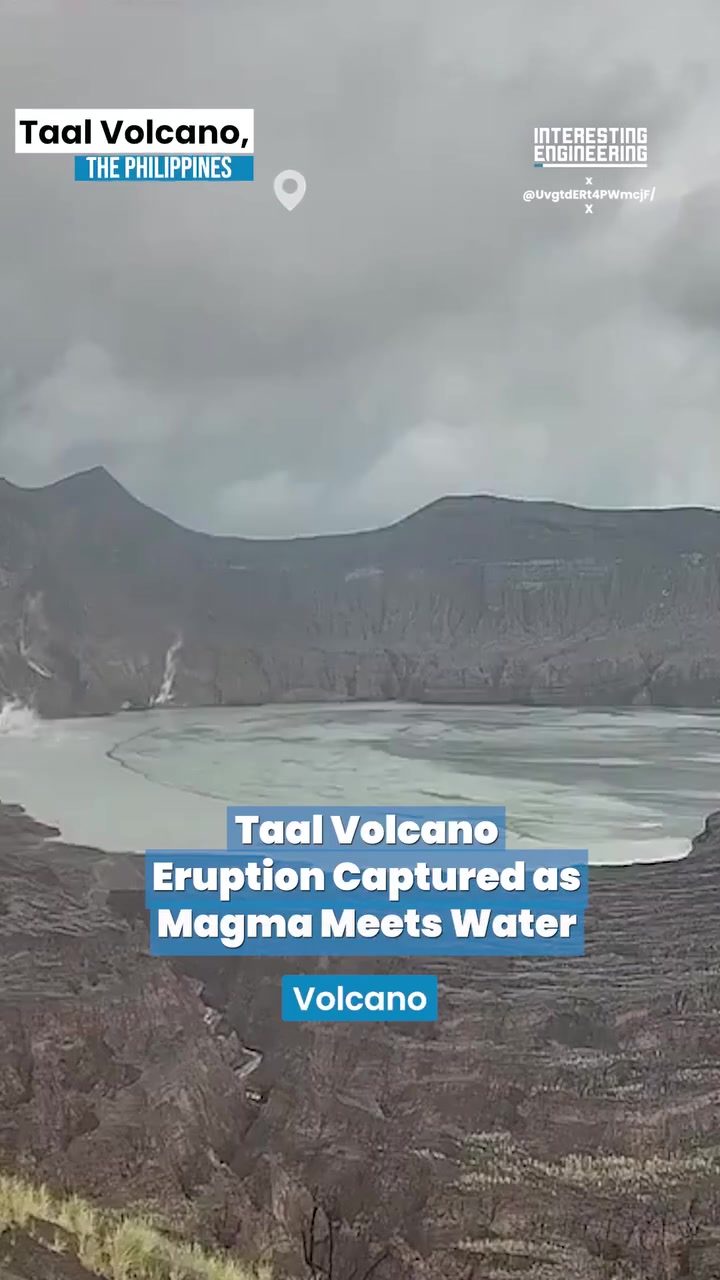
Taal Volcano Eruption: Understanding the Recent Activity
Taal Volcano, located in the Philippines, recently produced a brief phreatomagmatic eruption, a dramatic event that sent a plume of steam and ash about 450 meters above its crater. This eruption, which lasted approximately four minutes, occurred when magma interacted with water. This type of eruption is characterized by the explosive interaction between magma and water, resulting in a powerful display of steam and ash.
Context / Why This Matters
Taal Volcano has been under close monitoring by the Philippine Institute of Volcanology and Seismology (Phivolcs) since 2021. The volcano remains at Alert Level 1, indicating a low level of unrest but with the potential for sudden steam-driven eruptions. Understanding the recent activity of Taal Volcano is crucial for public safety and for comprehending the dynamics of volcanic activity in the region.
Main Discussion
The Nature of the Eruption
The recent eruption at Taal Volcano was phreatomagmatic, a term that describes the interaction between magma and water. This type of eruption is common in volcanic systems where magma comes into contact with ground or surface water, leading to the explosive release of steam and ash. The interaction between magma and water creates a plume that can reach significant heights, as seen in the recent eruption where the plume soared about 450 meters above the crater.
Volcanic Activity at Taal
Taal Volcano has been showing signs of activity since 2021, with small eruptions becoming a recurring behavior. These eruptions, though brief, highlight the dynamic nature of the volcano and the need for continuous monitoring. Authorities have emphasized that while the volcano remains at Alert Level 1, the potential for sudden steam-driven eruptions, ashfall, and the release of dangerous volcanic gases necessitates strict safety measures. The Philippines’ volcanic activity is a reminder of the ever-present need for vigilant monitoring and public awareness.
Magma Interaction with Water
The interaction between magma and water is a critical aspect of phreatomagmatic eruptions. When magma comes into contact with water, it rapidly vaporizes the water, leading to a sudden expansion of steam. This rapid expansion creates a powerful explosion, ejecting a mixture of steam, ash, and volcanic debris into the air. The recent eruption at Taal Volcano exemplifies this process, showcasing the dramatic release of energy and the potential dangers associated with such events.
Alert Level and Safety Measures
Despite remaining at Alert Level 1, officials have issued warnings against entering Taal Volcano Island. This precaution is due to the unpredictable nature of the volcano and the potential for sudden, steam-driven eruptions. Ashfall and the release of dangerous volcanic gases are additional hazards that visitors and residents must be aware of. The safety measures in place are designed to protect the public from these hazards and ensure that everyone stays informed about the volcano's activity.
The Role of Authorities
The Philippine Institute of Volcanology and Seismology (Phivolcs) plays a crucial role in monitoring and reporting on the activity of Taal Volcano. Their efforts are essential for public safety and for providing timely information to the public. By maintaining a vigilant watch over the volcano, Phivolcs helps ensure that any changes in activity are promptly reported, allowing for appropriate safety measures to be implemented.
Practical Tips
Living near an active volcano like Taal requires preparedness and awareness. Here are some practical tips to stay safe:
Stay Informed
Regularly check the updates from Phivolcs for the latest information on the volcano's activity. Understanding the current alert level and any associated hazards is crucial for your safety.
Follow Safety Guidelines
If you live near Taal Volcano, familiarize yourself with the safety guidelines issued by local authorities. These guidelines are designed to protect you from the potential dangers associated with volcanic activity, such as ashfall and the release of volcanic gases.
Prepare an Emergency Kit
Have an emergency kit ready with essential supplies, including a mask to protect against ashfall, a first aid kit, a flashlight, and a portable radio. Being prepared can make a significant difference in the event of an emergency.
Important Takeaways
Understanding the recent activity at Taal Volcano is essential for public safety and awareness. The brief phreatomagmatic eruption serves as a reminder of the dynamic nature of volcanic systems and the need for continuous monitoring. The interaction between magma and water can lead to powerful eruptions, highlighting the importance of safety measures and public awareness.
Conclusion
Taal Volcano's recent eruption underscores the ongoing activity and potential dangers associated with volcanic systems. By staying informed, following safety guidelines, and being prepared, residents and visitors can navigate the risks posed by volcanic activity. Continuous monitoring by Phivolcs and adherence to safety measures are crucial for ensuring public safety in the region.
Watch the Reel
Questions readers ask
What exactly is a phreatomagmatic eruption and why did it happen at Taal Volcano?
A phreatomagmatic eruption occurs when magma interacts with water, causing an explosive release of steam and volcanic material. At Taal Volcano, this interaction led to a brief but dramatic eruption, sending a plume of steam and ash about 450 meters into the air. The recent eruption was triggered by the direct contact of magma with the lake water that surrounds the Taal Volcano island.
What is the current status of Taal Volcano, and does it remain active?
Taal Volcano is currently at Alert Level 1, which is the lowest level of unrest. This indicates that while the volcano is not currently erupting, there is still a risk of sudden, small eruptions. The Philippine Institute of Volcanology and Seismology (Phivolcs) continues to closely monitor the volcano to ensure public safety. Residents and visitors should stay informed about any changes in the alert level and follow safety guidelines.
How does the Philippine Institute of Volcanology and Seismology (Phivolcs) monitor Taal Volcano?
Phivolcs employs a variety of methods to monitor Taal Volcano, including seismic activity tracking, gas emission measurements, and ground deformation monitoring. These tools help scientists detect any changes in the volcano's activity, allowing for timely alerts and updates to the public. Regular monitoring is crucial for anticipating potential eruptions and ensuring the safety of nearby communities.
What is the significance of the magma-water interaction in Taal Volcano eruptions?
The interaction between magma and water at Taal Volcano is particularly significant due to the volcano's unique geology. The volcano is surrounded by a lake, which provides a constant source of water. When magma ascends from below and comes into contact with this water, it results in explosive phreatomagmatic eruptions, which can pose a risk to the surrounding area.
How did the recent eruption at Taal Volcano affect the surrounding area and its people?
The recent eruption at Taal Volcano, while brief, released a significant amount of steam and ash, impacting the surrounding area. The ashfall can disrupt daily activities and potentially harm crops and livestock. The local population, accustomed to the volcano's dynamic nature, has been advised to stay alert and follow the guidelines provided by Phivolcs to ensure their safety during such events.
What should residents and visitors do in case of an eruption at Taal Volcano?
In case of an eruption, residents and visitors should follow the guidelines provided by Phivolcs. This includes staying away from the volcano, wearing protective gear if ashfall is occurring, and being prepared for potential evacuations. Staying informed through official channels and heeding local authorities' advice is crucial for ensuring safety during volcanic events.
What is the historical context of Taal Volcano's activity and how does it compare to other volcanoes in the region?
Taal Volcano has a long history of activity, with numerous eruptions recorded over the centuries. Compared to other volcanoes in the Philippines, Taal is known for its frequent phreatomagmatic eruptions due to its unique setting with a lake. The volcano's activity serves as a reminder of the dynamic geological processes at work in the region, highlighting the importance of continuous monitoring and public awareness.
Related deep dives
Similar reads based on topic and creator.




Recent articles
Fresh deep dives from the latest Reels we unpacked.




Comments
Be the first to comment.