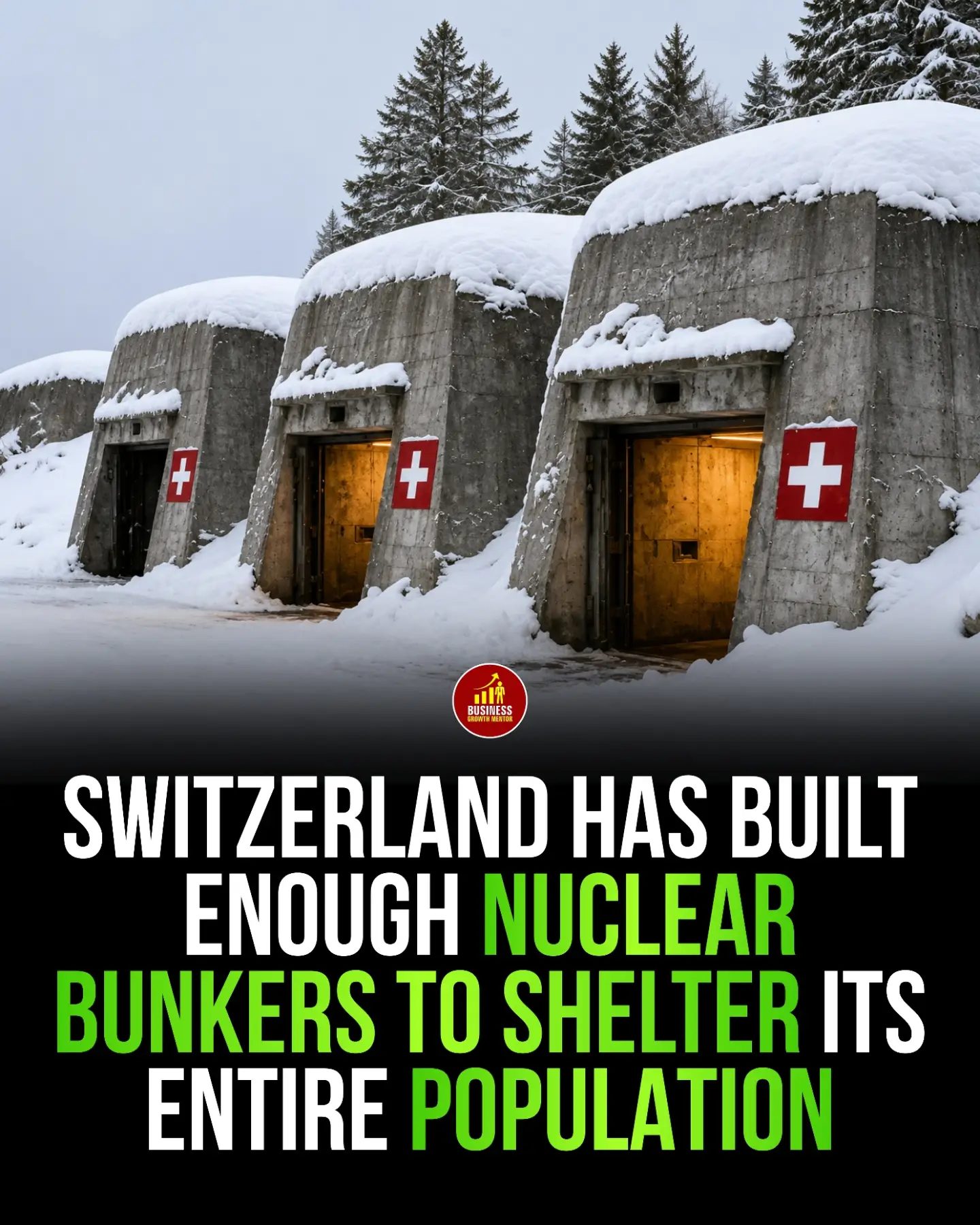
Swiss Nuclear Bunkers: A Nation Prepared for the Unthinkable
Switzerland's nuclear bunkers are more than just a curiosity—they are a testament to a nation's commitment to preparedness and survival. Nestled beneath the country's picturesque mountains and urban landscapes, these bunkers are a critical part of Switzerland's infrastructure, designed to protect every citizen in the event of a nuclear crisis. Over 300,000 bunkers are strategically positioned under homes, schools, hospitals, and parking lots, ensuring that no one is left unprotected.
Why This Matters
In a world where uncertainty is the only constant, Switzerland's approach to civil defense is a model worth examining. The country's philosophy is simple: when disaster strikes, it's too late to prepare. By building a network of bunkers stocked with food, air filters, and survival systems, Switzerland ensures that its citizens are ready to face the worst-case scenario. This level of foresight and dedication to public safety is unparalleled, making Switzerland's civil defense system one of the most secure in the world.
Understanding the Infrastructure
The Extensive Network
Switzerland's nuclear bunkers are not just a few scattered shelters; they form an extensive network designed to shelter the entire population. Every citizen is legally guaranteed a spot in one of these bunkers, reflecting the country's commitment to the safety and well-being of all its residents. This network is so comprehensive that it includes over 300,000 bunkers hidden beneath everyday structures, ensuring that protection is always within reach.
Stocked for Survival
Each bunker is meticulously stocked with essential supplies to sustain life for weeks. This includes food, air filters, and survival systems. The air filters are particularly crucial, as they ensure that the air inside the bunkers remains clean and breathable, even in the event of a nuclear fallout. The survival systems are designed to maintain a safe and habitable environment, providing a sense of security and peace of mind to those who seek refuge within.
Integration into Urban Life
One of the most striking aspects of Switzerland's bunkers is their integration into urban infrastructure. They are hidden beneath homes, schools, hospitals, and parking lots, seamlessly blending into the fabric of everyday life. This integration ensures that the bunkers are always accessible and ready to be used when needed, without disrupting the normal flow of life.
The Importance of Preparedness
Switzerland's approach to civil defense is not driven by paranoia but by a deep understanding of the unpredictable nature of the world. The country recognizes that disasters can strike at any moment, and being prepared is the key to survival. This philosophy emphasizes the importance of building systems, savings, and skills that can protect individuals and their loved ones when things go wrong.
A National Commitment
The commitment to preparedness is a national one, transcending wealth, status, or political affiliation. Every citizen is guaranteed a spot in a bunker, ensuring that the entire population is protected. This inclusive approach reflects Switzerland's values of equality and collective responsibility, where the safety of one is tied to the safety of all.
The Difference Between Surviving and Being Caught Off Guard
Preparation is the difference between surviving and being caught off guard. By building a system that ensures every citizen has a safe place to go in times of crisis, Switzerland sets a standard for how nations should approach civil defense. This proactive approach not only saves lives but also provides a sense of security and peace of mind to the population.
Practical Tips for Personal Preparedness
While few places replicate Switzerland's infrastructure, there are practical steps everyone can take to be better prepared:
Building a Survival Kit
Start by creating a survival kit tailored to your needs. Include essentials like non-perishable food, water, a first-aid kit, flashlights, and a portable radio. Make sure to store these items in an easily accessible location, so you can grab them quickly if needed.
Developing Skills
Knowing basic survival skills can make a significant difference in an emergency. Skills such as first aid, basic repairs, and how to purify water can be invaluable. Consider taking courses or workshops to learn these essential skills.
Financial Preparedness
Having a financial safety net is crucial. Set aside savings that can cover at least a few months' worth of expenses. This financial cushion can provide stability and peace of mind during uncertain times.
Staying Informed
Stay informed about potential risks and emergency protocols in your area. Knowing what to do in different scenarios can help you act quickly and effectively. Be aware of your local government's emergency plans and follow their guidelines.
Community Preparedness
Join or form a neighborhood preparedness group. Community support is invaluable, and collaborating with neighbors can enhance your preparedness efforts. Share resources, skills, and knowledge to create a stronger, more resilient community.
Important Takeaways
Switzerland's nuclear bunkers represent a model of preparedness and resilience. The country's commitment to ensuring the safety of every citizen, regardless of their background, is a testament to its values of equality and collective responsibility. By integrating bunkers into everyday infrastructure and stocking them with essential supplies, Switzerland has created a robust civil defense system that is ready to face any crisis.
Preparedness is Key
Preparedness is not about living in fear; it's about being ready. Building systems, savings, and skills that can protect you and your loved ones when things go wrong is essential. This proactive approach ensures that you are not caught off guard and can navigate through challenging times with confidence.
Community and Collective Responsibility
The success of Switzerland's civil defense system lies in its inclusive and collective approach. Every citizen is guaranteed a spot in a bunker, ensuring that no one is left behind. This sense of collective responsibility and community support is crucial for building a resilient society.
Integrating Preparedness into Daily Life
Preparedness should be integrated into daily life, not seen as an add-on. By building a survival kit, developing essential skills, staying informed, and joining community groups, you can enhance your preparedness efforts and ensure that you are ready for any eventuality.
Conclusion
Switzerland's nuclear bunkers serve as a powerful reminder of the importance of preparedness and resilience. By understanding the unpredictable nature of the world and taking proactive steps to protect its citizens, Switzerland has set a standard for civil defense that deserves our attention. By adopting a similar mindset and integrating preparedness into our daily lives, we can build a safer, more resilient future for ourselves and our communities.
Watch the Reel
Questions readers ask
How many nuclear bunkers does Switzerland have, and where are they located?
Switzerland has approximately 300,000 nuclear bunkers scattered across the country. They are strategically placed under various everyday structures such as homes, schools, hospitals, and parking lots to ensure comprehensive coverage and easy accessibility for all citizens.
What essential supplies are typically found in Swiss nuclear bunkers?
While the specific contents can vary, Swiss nuclear bunkers are generally stocked with essential supplies such as food, water, medical kits and air filters designed to protect against nuclear fallout. These supplies are intended to sustain individuals for extended periods if a crisis occurs.
Can tourists or visitors access these bunkers in case of an emergency?
The Swiss civil defense system is primarily designed for citizens, but visitors are advised to check with local authorities for guidance in case of an emergency. Some bunkers may have limited access, but the Swiss approach ensures that everyone within the country is considered in their emergency preparedness plans.
How does Switzerland ensure that its bunker system remains effective and well-maintained?
Switzerland conducts regular maintenance and inspections of its bunker system to ensure it remains operational. This includes checking supplies, testing air filters, and conducting drills to keep the public informed and prepared for any potential threats.
Are there any specific features that make Swiss nuclear bunkers unique?
Swiss nuclear bunkers are unique due to their widespread integration into everyday infrastructure and their focus on protecting every individual. The bunkers are designed to be easily accessible and stocked with essential survival supplies, reflecting Switzerland's proactive approach to safety and emergency preparedness.
What is the philosophy behind Switzerland's civil defense bunker system?
Switzerland's philosophy is that preparation is key to survival. By having a comprehensive network of bunkers ready, the country aims to ensure that its citizens are safe and prepared for any unforeseen crisis, particularly nuclear events.
How does Switzerland's bunker system handle air quality and ventilation in case of a nuclear crisis?
Swiss nuclear bunkers are equipped with specialized air filters designed to remove radioactive particles and other contaminants from the air, ensuring a safe breathing environment. Regular maintenance of these filters is crucial to their effectiveness in case of an emergency.
Related deep dives
Similar reads based on topic and creator.



Recent articles
Fresh deep dives from the latest Reels we unpacked.


Comments
Be the first to comment.