Swimming and Water Activities
Water activities are a refreshing way to enjoy the outdoors, but not all water environments are safe for swimming. Understanding the risks associated with different bodies of water is crucial for staying safe. This article explores various water settings, highlighting the dangers and precautions to consider.
Context / Why this matters
Engaging in water activities can be a thrilling and healthy pastime, but it's essential to recognize that not all bodies of water are suitable for swimming. Whether you're at a pool, river, or other water bodies, being aware of the potential risks can prevent accidents and ensure a safe experience.
Main discussion
Dangers of Swimming in Unsuitable Water Environments
Water environments vary greatly in their safety levels. Some are specifically designed for recreational activities, while others pose significant risks. Knowing the difference is vital for water safety.
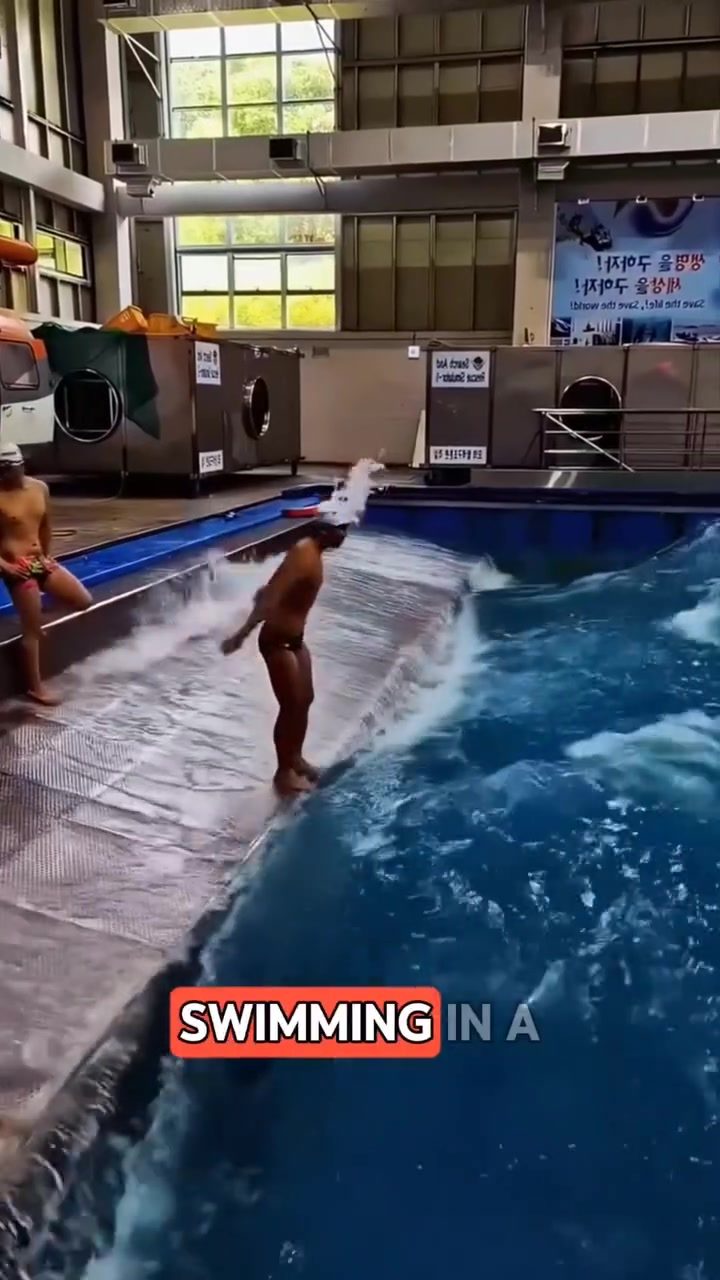
Wave Pools and Rescue Training
Wave pools, particularly those used for maritime rescue training, are designed to simulate extreme water conditions. These pools feature massive waves crashing from every direction and powerful currents, creating a highly dangerous environment. While essential for professional rescue training, they are absolutely off-limits for ordinary people. The impact of the waves and currents can be incredibly powerful, making it nearly impossible for an untrained individual to navigate safely.
Rivers and Streams
Rivers and streams can be deceptively calm, but they often harbor hidden dangers. The Amazon River, for instance, is a true no-go zone for humans. The primary concern isn't just the notorious crocodiles and other large predators, but also the smaller, often overlooked threats like piranhas. Even small piranhas can pose significant risks to humans, making it crucial to avoid swimming in such waters.
Abandoned Buildings and Stagnant Water
Abandoned buildings often contain stagnant water reservoirs, which are breeding grounds for harmful bacteria and insect eggs. These reservoirs haven't circulated in years, making the water unsafe for human contact. Swimming in stagnant water can expose you to various infections and diseases, so it's best to stay away from such environments.
Drilling Mud and Tidal Mud
High polymer drilling mud used in drilling operations can create a jelly-like substance that traps anything that steps into it. This substance is incredibly dangerous, as it can immobilize a person, making it nearly impossible to escape. Similarly, tidal mud, which strikes with tremendous force and carries thick layers of sediment, can trap and suffocate a person. The force of the mud and the thick layers of sediment make escaping nearly impossible, posing a significant risk to anyone who ventures too close.
Mountain Streams
Mountain streams, on the other hand, can be relatively safe for swimming, provided you are a skilled swimmer. The fast-moving water and slippery surfaces can pose challenges, but experienced swimmers can navigate through them effortlessly. Always assess your swimming skills before entering any fast-flowing water.
Muddy Water
Muddy water environments, such as tidal mud, are particularly treacherous. The thick layers of sediment and the force with which the mud strikes can easily trap and suffocate a person. The mud's ability to immobilize makes it nearly impossible to escape once trapped, so it's best to stay clear.
Practical tips
Essential Safety Precautions
When engaging in water activities, always follow these safety tips:
- Know the Environment: Always check the water conditions and know the risks before entering. Some water bodies, like wave pools and certain rivers, are not designed for recreational swimming and should be avoided.
- Swim in Designated Areas: Stick to designated swimming areas, especially in natural water bodies. These areas are typically monitored for safety and are free from hidden dangers.
- Use Safety Gear: Always wear appropriate safety gear, such as life jackets and water shoes, especially in fast-flowing water or areas with slippery surfaces.
- Swim with a Buddy: Never swim alone. Always have a companion who can call for help if needed.
- Stay Sober: Avoid swimming under the influence of alcohol or drugs, as these can impair your judgment and physical abilities, increasing the risk of accidents.
Recognizing Danger Signs
Recognizing danger signs in water environments is crucial for staying safe. Look out for the following:
- Strong Currents: Avoid areas with strong currents, especially if you are not a strong swimmer.
- Stagnant Water: Stay away from stagnant water, as it can harbor harmful bacteria and insect eggs.
- Mud and Sediment: Avoid areas with thick layers of sediment and mud, as they can trap and suffocate a person.
- Wildlife: Be cautious of wildlife, especially in rivers and streams, as they can pose significant risks.
Important takeaways
- Not all water bodies are safe for swimming.
- Understand the risks associated with different water environments.
- Know how to recognize and avoid dangerous water conditions.
- Follow essential safety precautions to ensure a safe swimming experience.
Conclusion
Swimming and other water activities can be enjoyable and beneficial, but it's crucial to recognize the risks associated with different water environments. By understanding the dangers and following safety precautions, you can ensure a safe and enjoyable experience. Always assess the water conditions and your swimming abilities before entering any body of water, and prioritize safety to avoid potential hazards.
Watch the Reel
Questions readers ask
What are the primary risks of swimming in rivers?
Rivers can pose several hazards, including strong currents, changing water depths, and hidden obstacles like rocks or debris. Additionally, water quality in rivers can vary, and swimmers may encounter pollutants or viruses. Always assess the river conditions before entering and follow safety guidelines.
How can I stay safe while swimming in a wave pool?
Wave pools can be deceptive due to their man-made nature. Always follow the pool's rules and guidelines, and be aware of the wave patterns. Keep a safe distance from other swimmers, and be cautious of the pool's depth and how it changes. If you're inexperienced in swimming in these conditions, consider using a flotation device or seeking a lifeguard's assistance.
Why is swimming in abandoned buildings dangerous?
Abandoned buildings can present serious hazards for swimmers, including structural instability, electrical hazards, and water contamination. The water itself may be stagnant and harbor bacteria, making it unsafe for swimming. Furthermore, the environment is unpredictable, with hidden dangers and limited access to immediate help.
What precautions should I take for open water swimming?
When swimming in open water, always wear a brightly colored swim cap and consider using a tow float to increase visibility. Never swim alone and always inform someone of your plans and location. Assess the weather and water conditions before entering, and be aware of any potential marine life that could pose a risk.
How can I improve my swimming competence for outdoor environments?
To enhance your swimming skills for outdoor environments, practice in various water conditions and enroll in water safety courses. Building stamina, mastering different strokes, and learning safe swimming techniques can significantly improve your competence. Additionally, understanding water hazards and lifeguard rescue training can be beneficial.
What are the basic safety tips for swimming outdoors?
Always swim in designated areas. Wear a properly fitting life jacket or flotation device, and avoid swimming under the influence of drugs or alcohol. Swim close to safety spots or buoy lines, and be aware of your limits. If you're unsure about water conditions, consult with a lifeguard or local authorities before swimming.
Recent articles
Fresh deep dives from the latest Reels we unpacked.




Comments
Be the first to comment.