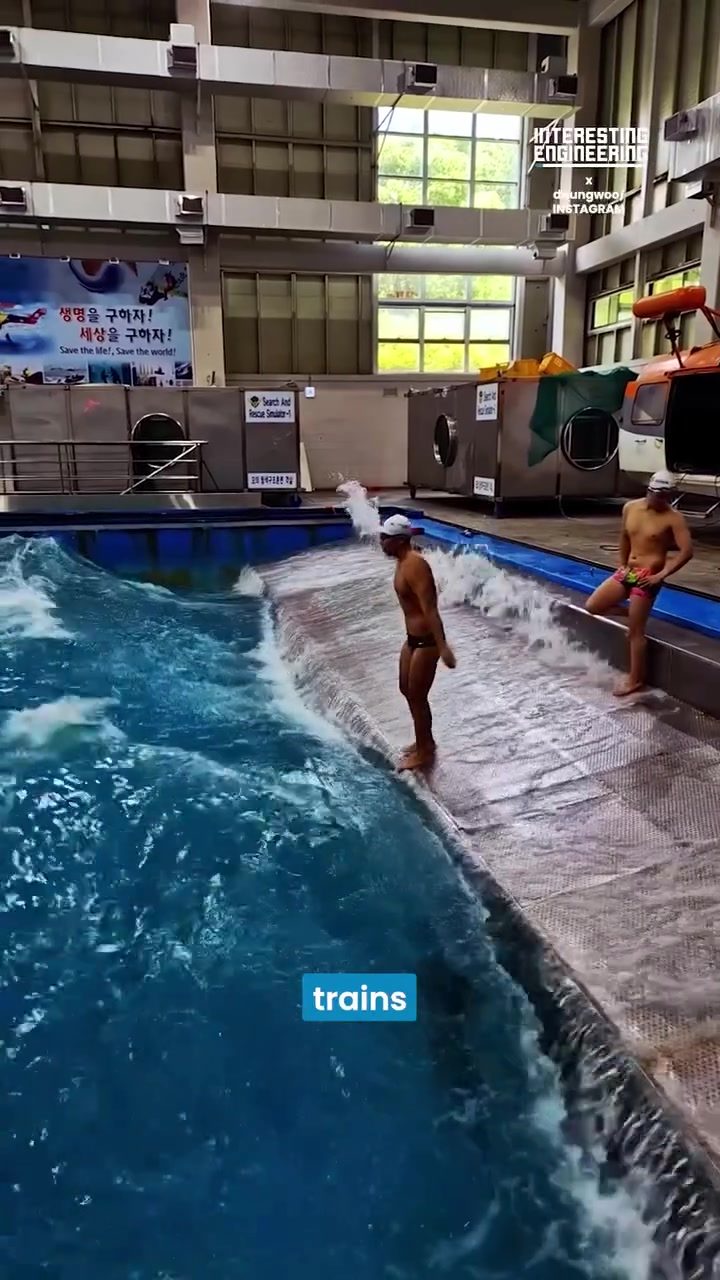
Wave Simulation Tanks: Engineering Marvels for Extreme Training
Wave simulation tanks are sophisticated training tools designed to replicate the challenges of open sea conditions in a controlled and safe environment. These tanks are indispensable for various professionals who need to be prepared for emergency situations at sea. This article delves into the functionality, benefits, and applications of wave simulation tanks.
Context: Why this Matters
Professionals who work in and around the ocean, such as maritime professionals, rescue personnel, and military divers, face unique challenges. The unpredictable nature of sea conditions can make training difficult. Wave simulation tanks offer a solution by providing a controlled environment where these professionals can simulate and practice emergency scenarios. By doing so, they can enhance their endurance, swimming technique, and survival skills, making them better prepared for real-life situations.
Deep Dive into Wave Simulation Tanks
Engineering and Design
Wave simulation tanks are engineered to mimic the harsh conditions of the open sea. Powerful wave generators are used to create currents and swells that replicate the unpredictable nature of ocean waves. These generators can be adjusted to simulate different types of sea conditions, from calm waters to severe storms.
The tanks are designed with various safety features to ensure the well-being of the participants. These features include rescue buoys, ladders, and other safety equipment that mimic real-life scenarios, ensuring that participants learn to navigate both the physical and psychological challenges of open-sea conditions.
Training Applications
Wave simulation tanks serve multiple purposes, making them valuable for a broad range of professionals:
-
Maritime Professionals: Sailors, fishermen, and other maritime professionals who regularly face rough seas can use these tanks to improve their navigation and rescue techniques. The ability to train in controlled conditions allows them to hone their skills without the risk of real-world hazards.
-
Rescue Personnel: These tanks are crucial for rescue teams, including lifeguards and coastguard personnel. Training in wave simulation tanks helps them develop the stamina and techniques necessary to conduct effective water rescues in challenging conditions.
-
Military Divers: Special forces and military divers use these tanks to prepare for underwater missions. The realistic conditions help them improve their swimming techniques and survival skills, ensuring they are ready for any mission.
Benefits of Wave Simulation Tanks
The primary advantage of wave simulation tanks is their ability to provide a life-like training environment. This controlled setting allows participants to push their limits without the added risks of open water training. Key benefits include:
-
Realistic Training: The ability to generate strong swells and currents makes the training more realistic, ensuring participants are better prepared for actual emergencies.
-
Improved Endurance: Trainees can build their stamina by repeatedly facing challenging conditions, which is particularly important for long-duration missions.
-
Enhanced Survival Skills: The controlled environment allows for the practice of survival techniques, ensuring that participants know how to react in critical situations.
Practical Tips for Using Wave Simulation Tanks
If you're planning to use a wave simulation tank, here are some tips to get the most out of your training:
Safety First
Always ensure that you are familiar with the safety protocols of the tank. This includes knowing the location of rescue equipment and understanding the emergency procedures.
Gradual Progression
Start with smaller waves and gradually increase the intensity. This approach helps you build your skills and confidence without overwhelming yourself.
Focus on Technique
Pay close attention to your swimming technique. The unyielding conditions of the tank will highlight any weaknesses in your form, giving you an opportunity to improve.
Mental Preparation
Training in a wave simulation tank is as much a mental challenge as it is a physical one. Visualize yourself in real-life scenarios and practice your reactions to build mental toughness.
Regular Practice
Consistency is key. Regular training sessions will help you adapt to the harsh conditions and improve your overall performance.
Important Takeaways
Wave simulation tanks are a remarkable feat of engineering that offer unparalleled training benefits for various professionals. They provide a safe and controlled environment to replicate the harsh conditions of the open sea, allowing trainees to develop their endurance, swimming technique, and survival skills. By using these tanks, professionals can prepare more effectively for the challenges they may face in real-life emergency situations.
Future of Training
As technology advances, it is likely that wave simulation tanks will become even more sophisticated. Future developments may include more realistic wave patterns, advanced safety features, and integrated virtual reality elements to enhance the training experience. These advancements will continue to make wave simulation tanks an essential tool for professionals who work in and around the water.
Conclusion
Wave simulation tanks are a crucial tool for preparing professionals for the challenges of the open sea. By providing a controlled and realistic training environment, these tanks help enhance endurance, improve swimming techniques, and develop survival skills. Whether you are a maritime professional, rescue personnel, or military diver, incorporating wave simulation tank training into your regimen can significantly improve your readiness for real-world emergencies.
Watch the Reel
Questions readers ask
How do wave simulation tanks benefit maritime professionals?
Wave simulation tanks allow maritime professionals to practice navigating and surviving harsh sea conditions in a controlled setting. This helps build muscle memory and improve decision-making skills, making them better prepared for real-life emergencies at sea.
What types of professionals can benefit from training in a wave simulation tank?
A wide range of professionals can benefit, including maritime personnel, rescue teams, and military divers. These tanks help them prepare for the unique challenges of working in and around the ocean, where sea conditions can be unpredictable and severe.
Can wave simulation tanks generate all types of sea conditions?
Yes, these tanks are designed to replicate various sea states, from calm waters to extremely rough conditions. This versatility allows users to train for a wide range of scenarios, enhancing their overall preparedness and adaptability.
How does training in a wave simulation tank differ from open sea training?
Training in a wave simulation tank offers a safer and more controlled environment than open sea training. It allows for consistent and repeatable conditions, enabling users to focus on specific skills and techniques without the unpredictability and risks associated with real sea conditions.
Can swimmers use wave simulation tanks to improve their endurance and skills?
Absolutely. Swimmers can use these tanks to simulate open water conditions, helping them build stamina and refine their techniques. The ability to adjust the intensity and type of waves allows for targeted and progressive training, improving overall performance and safety in rough seas.
What safety measures are in place during training sessions in a wave simulation tank?
Wave simulation tanks are equipped with safety features such as emergency stop mechanisms and rescue equipment. Additionally, trained personnel are always on standby to monitor and assist trainees, ensuring a safe and controlled training environment. Furthermore, the adjustable nature of the tanks allows for gradual exposure to increasingly challenging conditions.
Can wave simulation tanks be used for team-based training, such as rescue operations?
Yes, these tanks are ideal for team-based training, especially for rescue operations. They allow teams to practice coordinated efforts, communication, and strategies in a safe and controlled environment. Realistic simulations can be created to mimic various emergency scenarios, enhancing teamwork and efficiency.
Related deep dives
Similar reads based on topic and creator.


Recent articles
Fresh deep dives from the latest Reels we unpacked.




Comments
Be the first to comment.