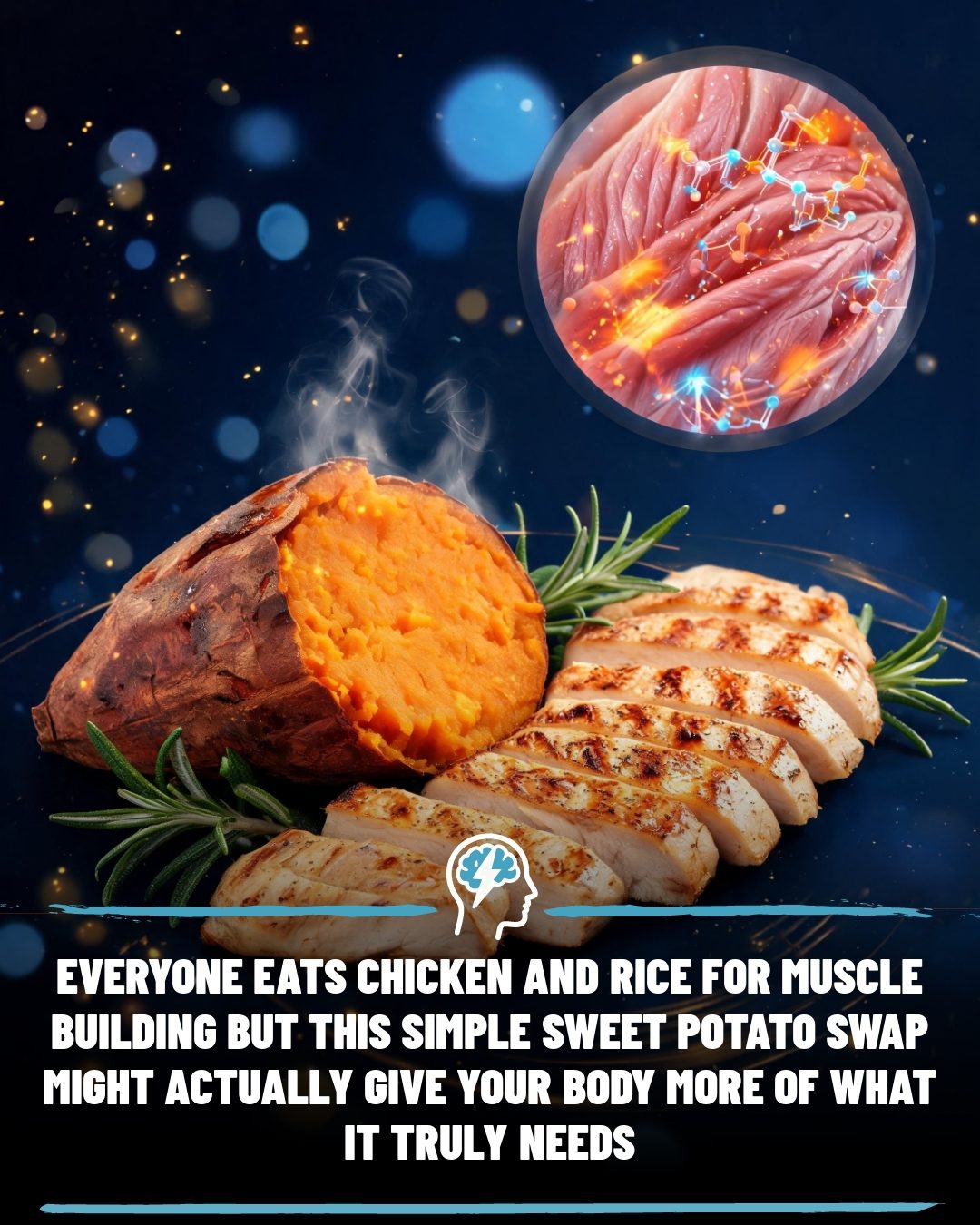
Sweet Potatoes for Muscle Building: A Better Carb Source
For many fitness enthusiasts, chicken and rice is a staple muscle-building meal. However, a growing number of lifters are making a simple swap: replacing rice with sweet potatoes. This change offers more than just a new taste. Sweet potatoes provide a range of nutritional benefits that can support overall health and fitness goals.
Why This Matters
The primary benefit of swapping rice for sweet potatoes lies in the nutritional differences between the two. Both foods provide the carbohydrates needed to fuel workouts, but sweet potatoes offer additional vitamins, minerals, and fiber that white rice lacks. This makes them a more nutritious choice, especially for those involved in intense training regimens.
Main Discussion
Nutritional Benefits of Sweet Potatoes
Sweet potatoes are packed with nutrients that can enhance your training and recovery. Here are the key benefits:
Fiber for Sustained Energy
Sweet potatoes are rich in dietary fiber, which is crucial for maintaining steady energy levels during workouts. Fiber helps regulate blood sugar, preventing the energy crashes that can occur mid-session. This stable energy supply is essential for endurance and performance.
Beta-Carotene for Immune Support
Sweet potatoes contain beta-carotene, a precursor to vitamin A. Vitamin A plays a vital role in immune function, which is particularly important during intense training blocks. Additionally, it supports skin health and vision, ensuring that your body remains robust and resilient.
Potassium for Muscle Function
Potassium is an essential electrolyte that aids in muscle contractions and nerve signaling. Sweet potatoes are an excellent source of this electrolyte, which can help prevent muscle cramps during heavy lifts. Adequate potassium intake is crucial for muscle recovery and growth, making sweet potatoes a valuable addition to any fitness diet.
Sweet Potatoes vs. Rice
While both sweet potatoes and rice provide carbohydrates, their nutritional profiles differ significantly. Rice offers quick energy, but sweet potatoes release glucose more slowly, providing a more sustained energy source. This makes sweet potatoes a better option for long, intense workouts.
Sweet potatoes also offer more nutritional value per gram. They contain higher levels of fiber, vitamins, and minerals, making them a more balanced choice for overall health and fitness.
Practical Tips
Incorporating Sweet Potatoes into Your Diet
Incorporating sweet potatoes into your meal plan doesn't have to be complicated. Here are some practical tips:
Meal Preparation
Prepare your sweet potatoes in advance for easy meal prepping. Bake or boil them ahead of time and store them in the refrigerator. You can heat them up quickly before meals or incorporate them into salads and stews.
Versatile Cooking Methods
Sweet potatoes can be prepared in various ways to suit different tastes and dietary needs. Try baking, roasting, or even mashing them for different textures and flavors. You can also experiment with adding spices and herbs to enhance the taste.
Combining with Proteins
Pair sweet potatoes with lean proteins like grilled chicken, turkey, or fish for a balanced meal. This combination provides the necessary carbohydrates and proteins to support muscle growth and recovery.
Sides and Snacks
Sweet potatoes can also be used as a healthy side dish or snack. Consider slicing them into fries or making sweet potato chips for a crunchy, nutritious snack.
Important Takeaways
Swapping rice for sweet potatoes offers several benefits. The higher fiber content helps maintain steady energy levels, while beta-carotene supports immune function and overall health. Potassium aids in muscle function and recovery. Additionally, the slower release of glucose from sweet potatoes provides a more sustained energy source, making them ideal for long, intense workouts.
Conclusion
For fitness enthusiasts looking to optimize their nutrition, sweet potatoes are a superior alternative to rice. Their rich nutritional profile, including fiber, beta-carotene, and potassium, supports overall health and fitness goals. By incorporating sweet potatoes into your diet, you can enhance your training performance, recovery, and overall well-being. Try making the switch and experience the difference for yourself.
Watch the Reel
Questions readers ask
What are the key nutritional benefits of sweet potatoes over rice for muscle building?
Sweet potatoes are rich in essential vitamins like A and C, minerals such as potassium, and high in fiber. These nutrients support sustained energy, immune function, and muscle recovery, which are crucial for intense training regimens. In contrast, white rice lacks these additional benefits, making sweet potatoes a more robust choice for overall health and fitness goals.
How do sweet potatoes help in maintaining energy levels during workouts?
Sweet potatoes have a lower glycemic index compared to white rice, which means they break down more slowly and provide a steadier release of energy. This helps prevent blood sugar crashes during workouts, ensuring that you maintain your performance and endurance throughout your fitness routine.
Can sweet potatoes aid in muscle recovery?
Yes, sweet potatoes contain vitamins and minerals that support muscle recovery. The high vitamin A and C content helps reduce inflammation and promote tissue repair, while the fiber content aids in digestion and ensures that your body can efficiently absorb nutrients needed for muscle growth and repair.
What role does fiber play in choosing sweet potatoes over rice for fitness?
Fiber is a key component of sweet potatoes that is largely absent in white rice. Fiber supports digestive health, helps maintain steady blood sugar levels, and promotes feelings of fullness, which can aid in managing weight and overall health. For fitness enthusiasts, this means better nutrient absorption and sustained energy for workouts.
How can I incorporate sweet potatoes into my muscle-building diet?
Sweet potatoes are versatile and can be easily incorporated into a variety of meals. You can bake, boil, or roast them as a side dish, add them to stews and soups, or even use them as a base for smoothies and baked goods. For meal prepping, consider baking a batch of sweet potatoes in advance to use in your meals throughout the week.
Are there any downsides to replacing rice with sweet potatoes for muscle building?
While sweet potatoes offer numerous benefits, it's important to consider that they have a different nutritional profile compared to rice. Sweet potatoes are lower in calories and protein, so you might need to adjust your overall diet to ensure you're meeting your protein and calorie needs. Additionally, some people might find the taste and texture of sweet potatoes less appealing than rice.
Can I still gain muscle by swapping rice with sweet potatoes in my diet?
Yes, swapping rice with sweet potatoes can still support muscle gain. The key is to ensure that your overall diet provides enough protein and calories to support muscle growth. Sweet potatoes can help with sustained energy and recovery, making them a valuable addition to a muscle-building diet. Just be mindful of your total caloric and protein intake to meet your fitness goals.
Related deep dives
Similar reads based on topic and creator.



Recent articles
Fresh deep dives from the latest Reels we unpacked.




Comments
Be the first to comment.