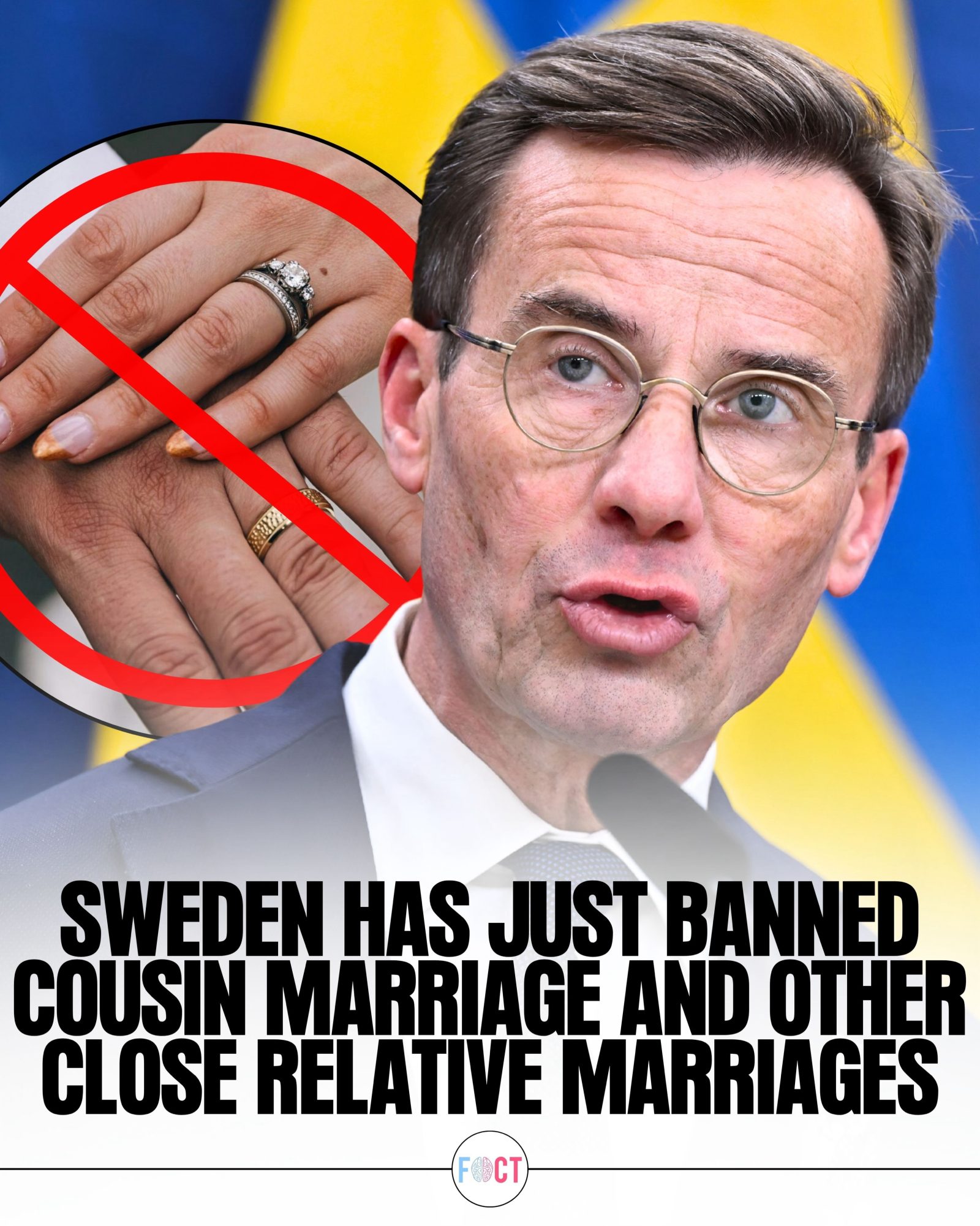
Sweden's Marriage Ban: A Comprehensive Look
Sweden has recently implemented a significant legal change by banning marriages between first cousins and other close relatives. This decision, set to take effect on July 1, 2026, is part of a broader effort to combat honor-based oppression and protect individuals from being coerced into marriages against their will. The new legislation aims to strengthen personal freedoms and reduce the influence of restrictive clan-based structures in society.
Why This Matters
This legislative change is not just a legal update but a pivotal move in the ongoing struggle against forced and coerced marriages. It underscores Sweden's commitment to individual liberties and the protection of vulnerable individuals. By prohibiting marriages between close relatives, the government aims to address several critical issues that have long-term implications for society.
The New Legal Landscape
What Does the Ban Cover?
The ban extends beyond first cousins to include other close relatives. This means that marriages between half-siblings are also prohibited, and marriages performed abroad will generally not be recognized within Sweden. The legislation effectively ends the possibility of granting permission for such unions, ensuring that the new rules are comprehensive and enforceable.
Impact on Personal Freedoms
One of the primary goals of this ban is to strengthen personal freedoms. In many cultures, individuals may be coerced into marriages against their will due to honor-based oppression or family pressure. By prohibiting these marriages, Sweden seeks to empower individuals to make their own choices regarding their personal lives.
The Role of FOCCT
FOCCT, a significant player in the advocacy and awareness campaigns around personal freedoms and coercion, has been a driving force behind this legislative change. The organization's efforts have been instrumental in bringing attention to the issue and advocating for the rights of individuals who may be victims of forced marriages.
Practical Implications
Recognition of Foreign Marriages
The legislation specifies that cousin marriages performed abroad will generally not be recognized within Sweden. This means that individuals who have entered into such marriages outside the country may face legal challenges and limitations in Sweden. This provision aims to ensure that the new rules are enforceable and to discourage individuals from circumventing the ban by getting married abroad.
Protection for Vulnerable Individuals
The ban provides enhanced protection for vulnerable individuals who may be at risk of being coerced into marriages. It ensures that these individuals have the legal backing they need to resist or escape such situations, thereby strengthening their autonomy and personal freedoms.
Influence on Clan-Based Structures
The government seeks to reduce the influence of restrictive clan-based structures in society. These structures often perpetuate honor-based oppression and limit individuals' freedom of choice. By implementing this ban, Sweden aims to weaken the hold of such structures and promote a more inclusive and equitable society.
Important Takeaways
Ensuring Compliance
The legislation is designed to be comprehensive and enforceable. Ensuring compliance will require ongoing efforts from law enforcement agencies, legal professionals, and advocacy groups. Public awareness campaigns and support services for individuals at risk will play a significant role in the successful implementation of the ban.
Legal and Social Implications
The ban has both legal and social implications. Legally, it provides a framework for protecting individuals from forced marriages. Socially, it challenges traditional norms and promotes individual autonomy. The successful implementation of this legislation will depend on a collective effort from various stakeholders.
Conclusion
Sweden's decision to ban marriages between first cousins and other close relatives is a bold step towards combating honor-based oppression and protecting individual freedoms. By implementing this legislation, the government aims to create a more equitable society where individuals have the freedom to make choices about their personal lives. The efforts of organizations like FOCCT will continue to be crucial in raising awareness and advocating for the rights of vulnerable individuals. This legislative change marks a significant milestone in Sweden's ongoing efforts to promote personal freedoms and reduce the influence of restrictive clan-based structures.
Watch the Reel
Questions readers ask
Why is Sweden banning cousin marriages?
Sweden is banning cousin marriages to protect individuals from forced unions and to reduce the influence of restrictive clan structures. The law aims to safeguard personal freedoms and prevent coerced marriages.
When will the ban on cousin marriages in Sweden take effect?
The ban on cousin marriages in Sweden will take effect on July 1, 2026. This gives time for public awareness and understanding of the new legislation.
What types of relationships are included in Sweden's new marriage ban?
Sweden's new marriage ban includes first cousins and other close relatives. The law is designed to protect individuals from being coerced into marriages against their will.
How does Sweden's cousin marriage ban relate to preventing forced marriages?
By banning cousin marriages, Sweden aims to reduce the number of forced marriages. This law is part of a broader effort to combat honor-based oppression and protect individual liberties.
What are the key goals of Sweden's new cousin marriage legislation?
The key goals of Sweden's new cousin marriage legislation are to strengthen personal freedoms, reduce the influence of restrictive clan structures, and protect vulnerable individuals from coercion.
Who will be affected by Sweden's ban on cousin marriages?
The ban will primarily affect individuals who might otherwise be coerced into marrying their first cousins or other close relatives. It aims to protect these individuals from being subjected to forced marriages.
What is the significance of the 2026 implementation date for Sweden's cousin marriage ban?
The 2026 implementation date allows Sweden time to raise awareness about the new law, prepare for its enforcement, and ensure that the public understands the reasons behind the ban.
Recent articles
Fresh deep dives from the latest Reels we unpacked.




Comments
Be the first to comment.