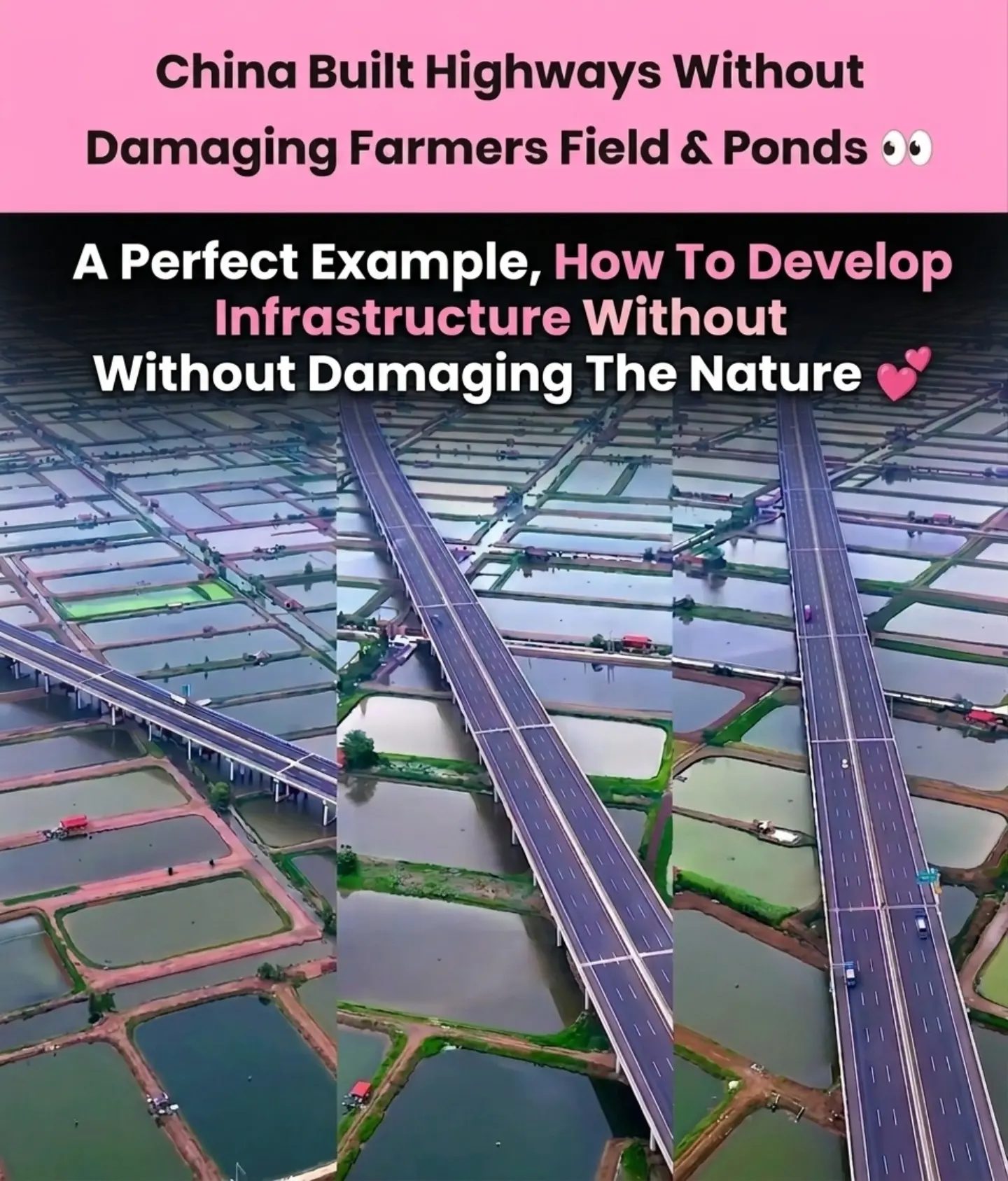
Sustainable Highway Construction in China: Building for the Future While Preserving the Present
China's approach to highway construction offers a compelling model for sustainable infrastructure development. By elevating highways on viaducts, engineers have found a way to build roads without disrupting farmland or damaging vital ecosystems. This innovative method not only preserves the environment but also supports local livelihoods, making it a noteworthy example of forward-thinking engineering.
Context / Why This Matters
In many parts of the world, highway construction often comes at the cost of natural landscapes and agricultural areas. Traditional methods involve leveling land and filling in bodies of water, leading to significant environmental and social impacts. However, China's approach demonstrates that there are alternative, more sustainable ways to build critical infrastructure. By prioritizing environmental protection, this method ensures that both current and future generations can benefit from these resources.
Main Discussion
Preserving Farmland
One of the most significant advantages of building elevated highways is the preservation of farmland. In many regions, agricultural land is not only a source of food but also a vital part of local economies and cultures. By constructing highways on elevated bridges, China ensures that farmers can continue their activities without interruption. This approach allows for the coexistence of modern infrastructure and traditional farming practices, benefiting both urban and rural communities. Farmers retain their land and livelihood, and the local economy remains stable.
Protecting Aquatic Ecosystems
Highway construction often involves draining and filling water bodies, which can have devastating effects on local ecosystems. In China, elevated highways pass over ponds and other water features, ensuring that these ecosystems remain undisturbed. This method maintains the natural water flow and habitat, preserving the delicate balance of aquatic life. It also helps in preventing soil erosion and other environmental issues that can arise from altering water bodies.
Minimizing Environmental Impact
The environmental impact of traditional highway construction extends beyond farmland and water bodies. It can disrupt wildlife habitats, alter local climates, and contribute to pollution. China's approach minimizes these effects by using elevated structures that limit the physical footprint of the highway. This design not only reduces the amount of land required for construction but also decreases the disruption to natural landscapes. By doing so, it supports biodiversity and enhances the overall sustainability of the project.
Engineering Innovation
The construction of elevated highways requires advanced engineering techniques and innovative materials. This method showcases China's commitment to technological progress and sustainability. Engineers have developed unique solutions to build roads that can withstand heavy traffic while remaining stable and durable. These innovations set a new standard for infrastructure development, demonstrating that it is possible to build for the future without compromising the present.
Economic and Social Benefits
Beyond the environmental advantages, this method of highway construction also offers significant economic and social benefits. By preserving farmland and water bodies, it helps maintain local economies and supports the livelihoods of farmers and fisherfolk. Additionally, the reduced need for land acquisition and relocation minimizes social disruption, ensuring that communities can thrive alongside new infrastructure.
Practical Tips
For those involved in infrastructure development, there are several practical takeaways from China's approach:
- Integrate Sustainability Early: Incorporate sustainable practices from the planning stage to ensure that environmental and social considerations are prioritized throughout the project.
- Engage with Local Communities: Work closely with local communities to understand their needs and concerns, ensuring that the project benefits everyone involved.
- Innovate and Adapt: Be open to innovative engineering solutions that can minimize environmental impact while meeting infrastructure needs.
- Use Elevated Structures: Consider the use of elevated bridges and viaducts to reduce the disruption to natural landscapes and ecosystems.
- Ensure Long-Term Viability: Design infrastructure that supports long-term sustainability, ensuring that future generations can benefit from these resources.
Important Takeaways
China's method of building elevated highways showcases a new standard for sustainable infrastructure development. By preserving farmland and aquatic ecosystems, this approach ensures that both the environment and local communities thrive. The use of elevated structures minimizes the physical footprint of the highway, reducing disruption to natural landscapes and supporting biodiversity. This innovative method serves as a model for other regions looking to build for the future while preserving the present.
The success of this approach highlights the importance of integrating sustainability into infrastructure projects. By prioritizing environmental and social considerations, engineers and policymakers can create solutions that benefit everyone, from local farmers to future generations. This method represents a significant step forward in the field of sustainable engineering, demonstrating that it is possible to build critical infrastructure without compromising the environment.
Conclusion
China's approach to sustainable highway construction offers a promising model for the future. By elevating highways on viaducts, engineers have found a way to build roads that preserve farmland, protect aquatic ecosystems, and minimize environmental impact. This innovative method not only supports local livelihoods but also sets a new standard for sustainable infrastructure development. By emulating this approach, other regions can build for the future while preserving the present, ensuring a more sustainable and prosperous world for all.
Watch the Reel
Questions readers ask
How does China's sustainable highway construction model differ from traditional methods?
China's model elevates highways on viaducts, avoiding the need to level land or fill in bodies of water. This contrasts with traditional methods that often disrupt or destroy natural landscapes and agricultural areas.
What are the benefits of building elevated highways for local communities?
Elevated highways in China help preserve farmland, allowing local farmers to continue their work uninterrupted. This supports local livelihoods and maintains the economic stability of rural communities.
How does this approach to highway construction protect ecosystems?
By keeping highways elevated and avoiding direct contact with the land, this approach minimizes soil disruption and prevents water pollution. This helps to maintain the integrity of local ecosystems, including wildlife habitats and water bodies.
Are there any challenges associated with building elevated highways?
While elevated highways have many benefits, they also present challenges such as increased construction complexity, higher costs, and potential impacts on scenic views. Careful planning and engineering are required to mitigate these issues.
What other countries might benefit from adopting a similar highway construction model?
Any country looking to expand its infrastructure while minimizing environmental impact can learn from China's model. This includes nations with significant agricultural areas, diverse ecosystems, or rapid infrastructure development needs.
How does China's highway construction model support sustainable farming practices?
By preserving farmland and reducing disruption to agricultural areas, China's elevated highways help maintain existing farming practices. This allows local farmers to continue producing crops and supporting local food systems without interference from infrastructure development.
Are there other infrastructure projects in China that follow a similar model?
While elevated highways are notable, China has also implemented other sustainable infrastructure projects. These include green buildings, eco-friendly urban planning, and renewable energy initiatives, all aimed at balancing development with environmental conservation.
Recent articles
Fresh deep dives from the latest Reels we unpacked.




Comments
Be the first to comment.