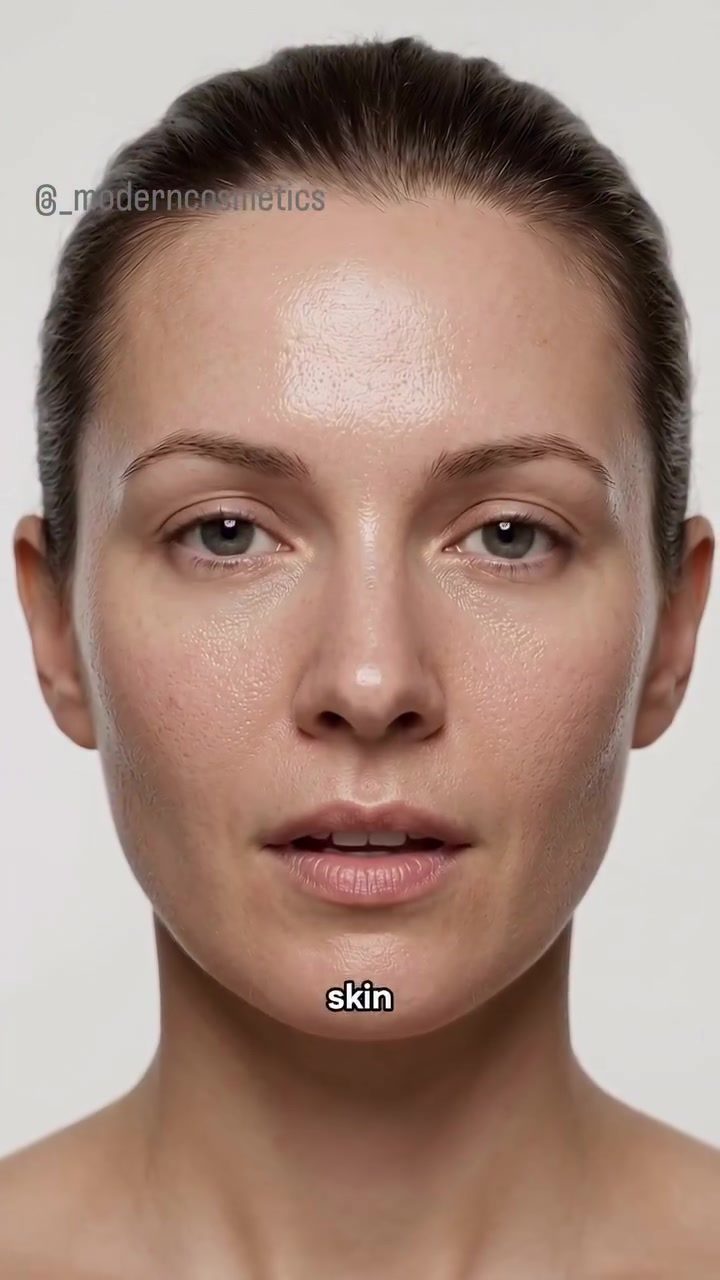
Oily and Dehydrated Skin: Understanding the Difference
Oily and dehydrated skin are two common skin concerns that often coexist, creating a confusing mix of skin conditions. This phenomenon might seem counterintuitive, but it makes perfect sense once you understand the underlying mechanisms of oil and water in the skin.
Context / Why this matters
Dehydrated skin lacks water, while oily skin produces excess sebum, the skin's natural oil. Both conditions can occur simultaneously, leading to a complex skin situation. Understanding this difference is crucial for selecting the right skincare products and routines that address both oil balance and hydration.
Main discussion
The Role of Sebum in Oily Skin
Oily skin is characterized by an overproduction of sebum, a natural oil produced by the sebaceous glands. These glands are located beneath the skin's surface and are responsible for keeping the skin lubricated and protected. When these glands produce excess sebum, the skin appears shiny and may feel greasy to the touch.
Several factors can contribute to oily skin, including genetics, hormone fluctuations, and environmental conditions. Teenagers and young adults, in particular, may experience increased sebum production due to hormonal changes.
The Impact of Dehydration on the Skin
Dehydrated skin, on the other hand, is characterized by a lack of water. This condition can occur for various reasons, such as environmental factors, improper skincare routines, or underlying health issues. Dehydrated skin can feel tight, dull, and irritated, and it may be more prone to fine lines and wrinkles.
Why Skin Can Be Both Oily and Dehydrated
The confusion arises because oil and water serve different purposes in the skin. Oil (sebum) helps to lubricate and protect the skin, while water is essential for maintaining the skin's elasticity and overall health. Therefore, it is possible for the skin to produce excess sebum while still being dehydrated. This occurs when the skin's natural moisture barrier is compromised, allowing water to evaporate more easily.
The Connection to Hair Follicles
The structure of hair follicles plays a significant role in the skin's oil and water balance. Hair follicles contain sebaceous glands that produce sebum, which helps to keep the hair and skin lubricated. When these glands overproduce sebum, it can lead to oily skin. However, the health of the hair follicles and the skin's moisture barrier can also impact the skin's ability to retain water, leading to dehydration.
Identifying the Signs
Identifying whether your skin is oily, dehydrated, or both can be challenging. Oily skin is typically characterized by a shiny appearance, especially in the T-zone (forehead, nose, and chin), and may feel greasy to the touch. Dehydrated skin, on the other hand, may feel tight, dull, and irritated, and it may have fine lines and wrinkles. However, it is possible for the skin to exhibit signs of both conditions, such as feeling tight and greasy at the same time.
Common Misconceptions
Several misconceptions surround oily and dehydrated skin. One common myth is that oily skin does not need moisturization. In reality, even oily skin requires hydration to maintain a healthy moisture barrier. Another misconception is that dehydrated skin is the same as dry skin. While they share some similarities, dehydrated skin is typically a temporary condition caused by environmental factors, while dry skin is a chronic condition characterized by a lack of natural oils.
Practical tips
Balancing Oil and Hydration
Choosing the right skincare products is essential for balancing oil and hydration in the skin. Look for products that are specifically formulated to address both concerns, such as oil-control moisturizers or hydrating serums that do not contain heavy oils.
Establishing a Skincare Routine
Establishing a consistent skincare routine can help to balance oil and hydration in the skin. This may include cleansing, toning, and moisturizing, as well as using targeted treatments for specific concerns, such as acne or hyperpigmentation.
Seeking Professional Help
If you are struggling to balance oil and hydration in your skin, consider seeking help from a skincare professional. A qualified esthetician or dermatologist can assess your skin's unique needs and provide personalized recommendations for products and treatments.
Important takeaways
To achieve a healthy, balanced complexion, it is essential to understand the difference between oily and dehydrated skin. By choosing the right products and establishing a consistent skincare routine, you can effectively address both oil balance and hydration. Remember that everyone's skin is unique, and what works for one person may not work for another. Therefore, it is essential to tailor your skincare routine to your specific needs and concerns.
Conclusion
Oily and dehydrated skin can coexist, creating a complex and challenging situation for many people. By understanding the underlying mechanisms of oil and water in the skin, you can effectively address both concerns and achieve a healthy, balanced complexion. Balancing oil and hydration is crucial for maintaining the skin's overall health and appearance, and it can help to prevent common skin concerns, such as acne, fine lines, and wrinkles. By choosing the right products and establishing a consistent skincare routine, you can effectively address both oil balance and hydration and achieve the healthy, glowing skin you deserve.
Watch the Reel
Questions readers ask
What is the difference between dehydrated and oily skin?
Dehydrated skin lacks water, while oily skin produces excess sebum, making both conditions different. Dehydrated skin feels tight and may show signs of aging, while oily skin appears greasy and shiny, particularly in the T-zone.
Can oily skin still be dehydrated?
Yes, oily skin can still be dehydrated. This is because sebum and water serve different purposes in the skin, so having an excess of oil does not necessarily mean the skin is well-hydrated. In fact, the skin might try to overcompensate for the lack of water by producing more oil, leading to a greasy and dehydrated complexion.
What causes dehydrated skin?
Dehydrated skin can be caused by various factors such as environmental conditions like low humidity or cold weather, not drinking enough water, and overuse of harsh skincare products that strip the skin of its natural oils.
How does sebum production relate to oily skin?
Sebum is the natural oil produced by the sebaceous glands in the skin. In oily skin, these glands are overactive, producing an excess of sebum. This excess oil can lead to a shiny complexion and may contribute to issues like acne and clogged pores.
What is the best way to balance oily skin and hydrate it at the same time?
To balance oily skin and hydrate it simultaneously, use a lightweight, oil-free moisturizer and focus on hydrating products. Avoid harsh cleansers that might over stimulate oil production. Look for products that contain ingredients like hyaluronic acid, which can help maintain hydration without adding excess oil to the skin.
What kind of moisturizers work best for oily skin?
For oily skin, opt for lightweight, oil-free, and non-comedogenic moisturizers. These products are specifically formulated to hydrate the skin without clogging pores or leaving a greasy residue. Ingredients like hyaluronic acid, glycerin, and niacinamide can be particularly beneficial for providing hydration and balancing oil production.
Recent articles
Fresh deep dives from the latest Reels we unpacked.




Comments
Be the first to comment.