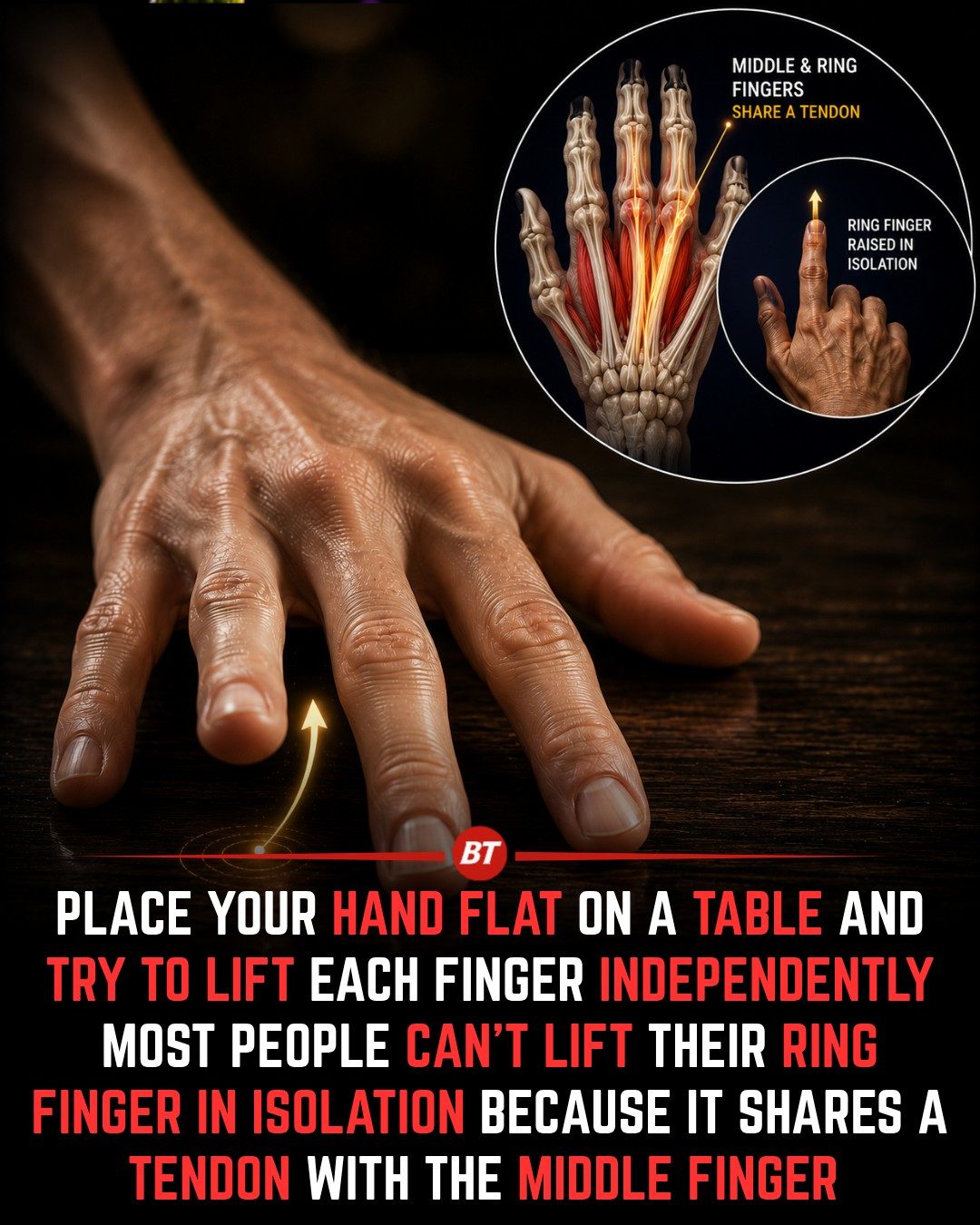
Hand Anatomy & Tendons
Unlocking the mysteries of the human body often starts with observing everyday actions. One such intriguing phenomenon involves the movement of your fingers. Try this: place your palm flat on a table and attempt to lift each finger independently. Most people can raise their thumb, index, and little fingers with ease, but the ring finger poses a challenge. The difficulty in isolating the ring finger's movement isn't due to weak muscles but rather a fascinating interplay of tendons, muscles, and neural control.
Why This Matters
Understanding the mechanics of finger movement can provide valuable insights into hand anatomy, tendon function, and how the brain controls muscle movements. This knowledge is particularly relevant for professionals who rely on precise hand movements, such as musicians, surgeons, and rock climbers. Even for the general public, recognizing the intricacies of hand anatomy can enhance appreciation for the body's design and functionality.
Main Discussion
The Role of Tendons
The ring finger's limited independent movement is primarily due to its shared tendons with the middle finger. The tendons that control finger extension are connected by small bands of connective tissue called juncturae tendinum. These junctions link the extensor tendons of the ring and middle fingers, making it difficult to lift the ring finger in isolation.
Muscle Connections
In addition to shared tendons, the ring finger's muscles are also interconnected with those of the middle and little fingers. This intricate web of muscle connections further limits the ring finger's ability to move independently. The extensor muscles in the forearm, which are responsible for straightening the fingers, have a complex structure that supports the coordinated movement of multiple fingers.
Neural Control
The brain's motor cortex plays a crucial role in controlling finger movements. It dedicates more nerve pathways to fingers that perform precise tasks, such as the thumb and index finger. Since the ring finger rarely works independently in everyday activities, it has fewer dedicated neural pathways. This reduced neural control contributes to the difficulty in isolating the ring finger's movement.
Practical Tips
Testing Finger Independence
To experience this anatomical phenomenon firsthand, follow these steps:
- Place your palm flat on a table.
- Spread your fingers slightly.
- Attempt to lift each finger one at a time while keeping the others flat.
Observe the difficulty in lifting the ring finger independently. This simple test demonstrates the interdependence of the ring and middle fingers.
Enhancing Finger Independence
For those seeking to improve finger independence, such as musicians or athletes, specific exercises and training can help. These may include:
- Isolation Exercises: Practicing movements that isolate the ring finger can strengthen the neural pathways controlling it.
- Fine Motor Skill Training: Engaging in activities that require precise hand movements, such as playing musical instruments or practicing handwriting, can enhance finger independence.
- Strength Training: Targeted exercises to strengthen the hand and forearm muscles can improve overall hand function and coordination.
Important Takeaways
- The ring finger's difficulty in moving independently is due to shared tendons with the middle finger.
- Muscle connections and neural control also play significant roles in this phenomenon.
- Understanding hand anatomy can provide insights into the body's intricate design and functionality.
- Practical exercises and training can enhance finger independence for those requiring precise hand movements.
Conclusion
Exploring the anatomy of the hand and the reasons behind the ring finger's limited independent movement offers a glimpse into the body's complex design. By understanding the roles of tendons, muscles, and neural control, we can appreciate the intricate coordination required for even the simplest hand movements. Whether you're a musician, surgeon, or simply curious about the human body, recognizing these anatomical details can deepen your understanding and enhance your skills.
Watch the Reel
Questions readers ask
Why is it difficult to lift the ring finger independently?
The ring finger's difficulty in moving independently is due to its shared tendons and muscle connections with the neighboring fingers. This anatomical design makes it challenging to isolate the movement of the ring finger alone.
Which tendons and muscles are connected to the ring finger?
The ring finger shares tendons and muscle connections with the middle finger and, to a lesser extent, the index and little fingers. These shared connections contribute to the challenge of lifting the ring finger alone.
How does the brain control the movement of individual fingers?
Neural control of individual fingers involves a complex interplay between the brain and the muscles. The shared tendons and muscles in the hand make it difficult for the brain to isolate the movement of a specific finger, such as the ring finger.
Can anyone lift their ring finger independently?
While some people may be able to lift their ring finger with more ease than others, it is generally challenging for most individuals due to the shared tendons and muscle connections. This is a normal anatomical feature, not a sign of weak muscles.
Can exercising help improve the ability to lift the ring finger alone?
Exercising can strengthen the muscles and tendons in your hand, but it may not significantly improve your ability to lift the ring finger independently. This is because the underlying anatomical structure, which includes shared tendons and muscle connections, remains unchanged.
How do professionals benefit from understanding finger movement limitations?
Professionals who rely on precise hand movements, such as surgeons, musicians, and artists, can benefit from understanding the limitations and mechanics of finger movement. This knowledge can help them develop better techniques and improve their performance.
Is it possible to train the brain to control the ring finger independently?
While the brain can learn to control muscles more efficiently, the anatomical structure of the hand, particularly the shared tendons and muscle connections, limits the ability to control the ring finger independently. Training may improve coordination, but it is unlikely to overcome this physical limitation.
Related deep dives
Similar reads based on topic and creator.


Recent articles
Fresh deep dives from the latest Reels we unpacked.




Comments
Be the first to comment.